Precision-engineered container configurations manufactured under rigorous BV and ISO 9001:2015 quality standards for worldwide deployment across oceanic, rail, and highway freight corridors.
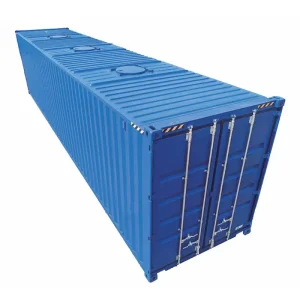
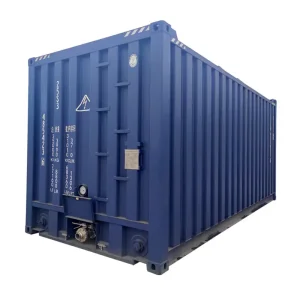
Analyzing how an additional 305mm (12 inches) of internal vertical clearance has revolutionized high-density, volumetric freight calculations, specialized energy storage equipment, and modern intermodal shipping logistics.
Standard 20-foot GP containers provide roughly 33.2 m³ of cargo volume. The 20-foot High Cube (HC) format expands usable volume to ~37.4 m³. This provides an immediate structural volumetric advantage for low-density goods, bulk polymers, lightweight consumer electronics, and insulated interior installations.
The global expansion of Battery Energy Storage Systems (BESS) demands 2.7m minimum internal heights for thermal ducting, battery racks, and fire suppression systems (NFPA 855 / UL 9540A). The 20ft HC container has emerged as the definitive global standard for renewable utility-scale enclosures.
Chinese manufacturers utilize high-grade Corten SPA-H atmospheric corrosion-resistant steel. Combined with automated multi-layer epoxy and zinc electrophoretic primer systems, these containers achieve a designed operational lifespan exceeding 25 years in aggressive C5-M marine environments.
| Dimensional & Mechanical Metric | Standard 20ft General Purpose (8'6") | 20ft High Cube Container (9'6") | Engineering Differential Advantage |
|---|---|---|---|
| External Dimensions (L × W × H) | 6,058 × 2,438 × 2,591 mm (20' × 8' × 8'6") | 6,058 × 2,438 × 2,896 mm (20' × 8' × 9'6") | +305 mm vertical envelope gain |
| Internal Clear Dimensions | 5,898 × 2,352 × 2,393 mm | 5,898 × 2,352 × 2,698 mm | Enables double-pallet stacking & overhead ducts |
| Cubic Storage Capacity | 33.2 m³ (1,172 cu. ft.) | 37.4 m³ (1,320 cu. ft.) | +12.65% cubic throughput improvement |
| Maximum Gross Mass (MGM) | 30,480 kg (67,200 lbs) | 30,480 kg - 32,500 kg (Custom High-Load) | Reinforced corner castings & side sills |
| Tare Weight Range | 2,150 - 2,250 kg | 2,350 - 2,460 kg | Rigidized Corten corrugated wall profiles |
| Payload Potential | 28,230 - 28,330 kg | 28,020 - 30,040 kg | Optimal density-to-weight ratio for intermodal freight |
How modern manufacturing clusters in Tianjin and the Yangtze River Delta integrate automated tandem welding, precision laser cutting, and centralized material supply lines to maintain unmatched industrial throughput.
Close technical synergy with premier domestic steel mills (such as Baosteel and HBIS) guarantees instant procurement of certified SPA-H weathering steel coils. Direct blast furnace alloy traceability guarantees yield strengths ≥ 355 MPa and extreme tensile durability across heavy-payload operations.
Automated gantry welding fixtures deliver precision continuous seams on floor longitudinals, corner post interfaces, and roof panels. Ultrasonic Non-Destructive Testing (NDT) eliminates micro-fracture vulnerabilities, verifying dynamic structural rigidity during multimodal rail humping and extreme sea swell loads.
Transitioning completely to low-VOC waterborne coatings and automated zinc-rich primer shot-blasting bays (achieving SA 2.5 profile standards). The multi-pass baking treatment yields exceptional bonding force, shielding steel surfaces from salt mist degradation, chemical splashing, and extreme thermal cycling (-40°C to +80°C).
Automated uncoiling, leveling, and SA 2.5 abrasive shot blasting eliminates mill scale and ensures primer adhesion.
High-tonnage hydraulic presses stamp vertical corrugations to precise ISO stiffness profiles, maximizing lateral resistance.
Robotic tandem MIG/MAG welding lines join side walls, roof subassemblies, and heavy-duty corner castings under continuous QC.
High-pressure monsoon water-tightness tests and dynamic floor deflection tests under simulated 7,260 kg axle loads.
Examining how international supply chain directors, offshore engineering contractors, and energy conglomerates structure bulk acquisition programs for 20ft HC modules.
Class I rail networks and domestic drayage operators increasingly specify 20ft High Cube containers for transloading high-cube palletized cargo from coastal seaports to inland distribution hubs, avoiding volumetric overflow common in standard-height units.
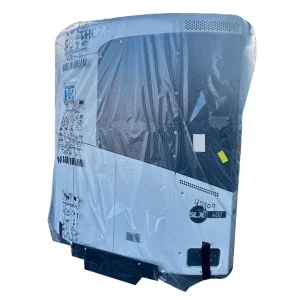
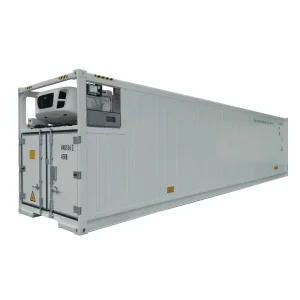
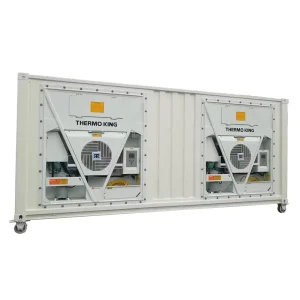
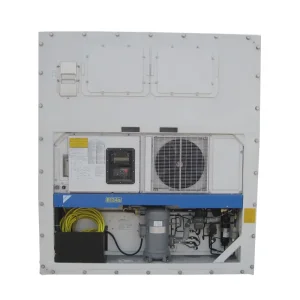
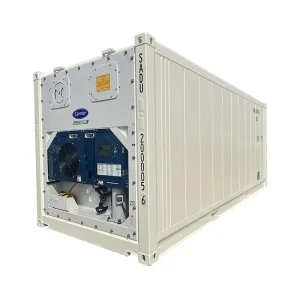
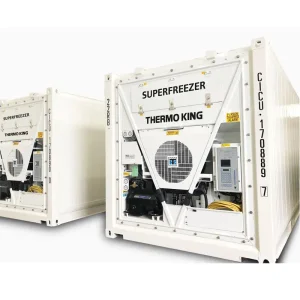
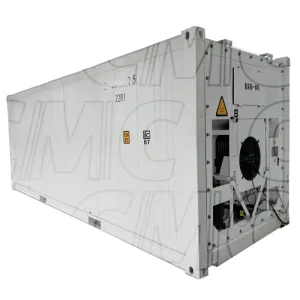
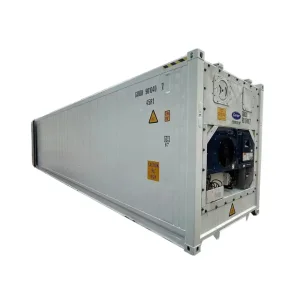
Stringent EU pharmaceutical and fresh perishable transit regulations necessitate active micro-climate control. 20ft HC reefer modules equipped with Carrier, Daikin, or Thermo King cooling units provide exact -35°C to +30°C temperature regulation while optimizing tight urban distribution routes.
The China-Europe Railway Express demands ruggedized 20ft HC containers capable of enduring extreme continent-wide thermal swings (-45°C Siberian winters to +40°C desert crossings) with high shock load resistance during inter-gauge railway wheelset transfers.
For logistics enterprises operating dedicated fleet equipment, selecting 20ft High Cube containers yields clear return-on-investment metrics. Although manufacturing unit capital expenditure averages 4% to 7% above a standard 8'6" unit due to additional Corten sheet and corner post steelmass, the 12.65% volumetric expansion substantially lowers shipping unit costs on high-cube products (such as foam insulation, packaged FMCG, lightweight automotive parts, and e-commerce parcels).
Furthermore, when deploying containers as modular power plants, chemical skid enclosures, or offshore living pods, the extra vertical clearance eliminates expensive custom roof-raising field modifications, decreasing total system integration timelines by up to 35%.
Beyond general ocean freight, Chinese high cube 20-foot container manufacturing facilities lead global transformation across specialized industrial, energy, and civil infrastructure domains.
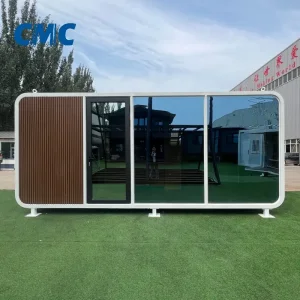
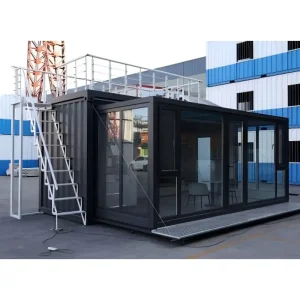
Capitalizing on structural integrity and standard twist-lock transportability, 20ft HC modules serve as the skeleton for modern modular housing, mobile garden pods, luxury glamping cabins, and tactical military shelters with turnkey electrical and sanitary retrofits.
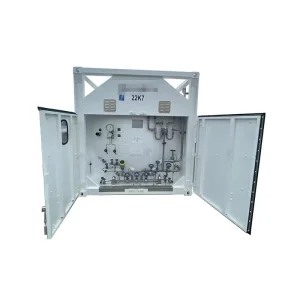
Constructing reinforced square liquid frames, ISO tank cradles, and T75 cryogenic liquid vessels. Integrated full-height structural columns safely support extreme specific gravity liquid cargoes under high operational pressures and dynamic maritime sloshing.
Engineered to stringent DNV 2.7-1 / EN 12079 offshore lifting compliance. Equipped with heavy pad eyes, certified lifting slings, reinforced fork pockets, and impact-resistant locking hardware built for open-sea platform supply vessels and harsh sub-Arctic operations.
Ensuring zero-defect manufacturing through complete adherence to International Convention for Safe Containers (CSC), TIR customs compliance, and Tier-1 classification audits.
Every production batch undergoes systematic review and witnessing by independent marine surveyors including Bureau Veritas (BV), ABS, Lloyd's Register (LR), or China Classification Society (CCS). CSC safety approval plates are riveted directly onto the left door structure.
Industrial-grade 28mm hardwood marine plywood or optional extruded anti-slip steel decking undergoes intense ISO 1496-1 floor strength tests. Floors withstand heavy forklift axle wheel loads up to 7,260 kg (16,000 lbs) without structural yielding or core lamination failure.
Corner posts and cross members undergo continuous transverse and longitudinal racking forces up to 150 kN. Containers sustain 9-high fully loaded tier stacking conditions (exceeding 216,000 kg total gross stack load) on container ships in rough seaways.
Authoritative, direct insights compiled by our senior structural engineers and logistics trade specialists to streamline overseas procurement programs.
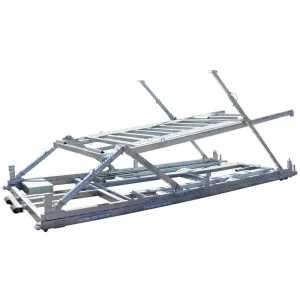
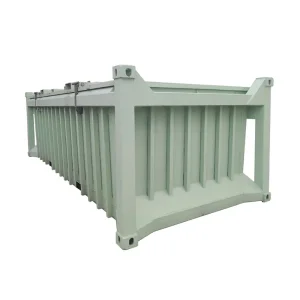
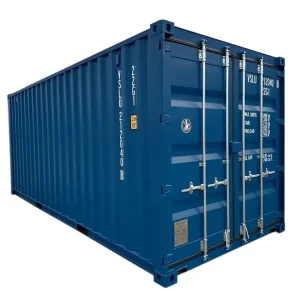
Explore specialized intermodal products—from deep-freeze reefer platforms and cryogenic tanks to prefabricated modular architecture and industrial transport systems.
When initiating custom engineering or high-volume procurement programs with Chinese container manufacturing bases, providing well-defined specifications accelerates quotation accuracy and production scheduling.
Specify required Maximum Gross Weight (MGM)—standard 30,480 kg or heavy-duty 32,500 kg+ ratings. Detail floor point loading requirements if anchoring concentrated machinery, transformer units, or industrial battery racks.
Identify deployment conditions (ISO 12944 corrosion categories from C3 urban to C5-M extreme marine). Specify corporate RAL color codes, zinc-primer thickness thresholds, and custom stencil decal placements.
Supply 2D/3D CAD drawings for side-opening door cutouts, heavy-duty roll-up shutters, louvered ventilation panels, internal unistrut support channels, cable glands, and roof hatch access openings.
Define necessary statutory approvals prior to assembly: Standard CSC (ISO 1496-1), UIC railway codes, TIR customs access, DNV 2.7-1 offshore lifting certificates, or CE/UL mark declarations for pre-installed electrical systems.
