Explore our certified intermodal solutions engineered under strict ISO, BV, and DNV maritime standards, manufactured with port-close logistics efficiency.
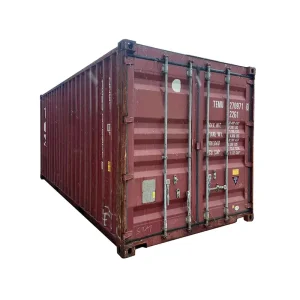
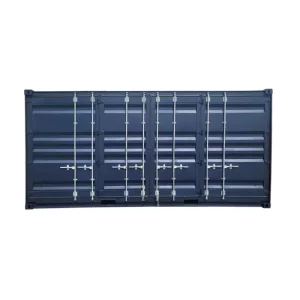
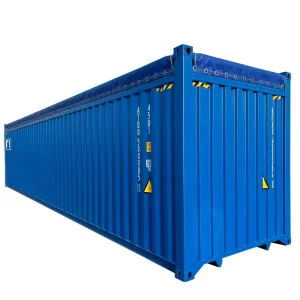
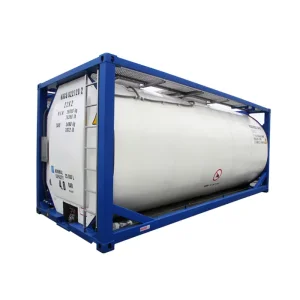
Examining how high-performance barrier linings and fluoropolymer metallurgy transform bulk liquid and ultra-pure chemical transport worldwide.
Traditional carbon-steel and standard 316L stainless steel vessels suffer from severe pitting, stress corrosion cracking (SCC), and leaching when carrying inorganic acids like Hydrochloric Acid (HCl), Hydrofluoric Acid (HF), and high-concentration Chlorides. Specialized polymer linings (PTFE, PFA, ECTFE, vulcanized rubber) isolate corrosive liquids from the metallic pressure hull, extending service life by over 300%.
The microelectronics boom requires electronic-grade chemicals (UP-S and UP-SS grades) with metallic ion impurities limited to parts-per-trillion (ppt). Precision melt-processable fluoropolymers (PFA and modified PTFE) prevent trace element leaching and ionic migration, guaranteeing that high-purity chemical supply chains remain uncontaminated across transoceanic voyages.
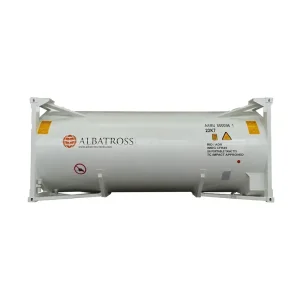
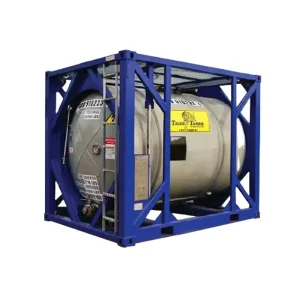
Global supply chain directors are systematically phasing out intermediate bulk containers (IBCs) and steel drums due to high packaging disposal costs, manual decanting risks, and elevated deadweight ratios. A 20ft ISO lined tank container consolidates up to 24,000 liters in a single, reusable, hermetically sealed pressure vessel, reducing unit transport carbon emissions and handling labor.
Selecting the optimal container liner requires an engineering balance of chemical resistance, thermal tolerance, adhesion bonding, and electrostatic dissipation.
| Lining Material | Nominal Thickness | Service Temp. Range | Dielectric Spark Testing | Primary Chemical Resistances | Typical Industrial Applications |
|---|---|---|---|---|---|
| PTFE (Polytetrafluoroethylene) | 3.0 mm – 4.5 mm | -40°C to +160°C | 20,000 V (High Frequency) | Hydrofluoric acid, fuming nitric, aqua regia | Ultra-pure electronic chemicals, fine specialty synthesis |
| PFA (Perfluoroalkoxy) | 3.0 mm – 4.0 mm | -40°C to +180°C | 20,000 V – 25,000 V | Halogenated organics, aggressive hot mineral acids | Semiconductor precursors, wafer manufacturing reagents |
| ECTFE (Halar®) | 2.0 mm – 3.2 mm | -30°C to +140°C | 15,000 V – 18,000 V | Sodium hypochlorite, caustic alkalis, wet chlorine | Chlor-alkali logistics, water treatment chemicals |
| Hard / Soft Natural Rubber | 4.0 mm – 6.0 mm | -20°C to +85°C | 10,000 V – 15,000 V | Hydrochloric acid (all %), dilute phosphoric acid | Bulk industrial acid haulage, steel pickling reagents |
| Phenolic Epoxy / Novolac | 300 µm – 600 µm | -20°C to +110°C | 3,000 V – 5,000 V | Aromatics, biofuels, aviation fuels, edible oils | Petrochemical distribution, refined liquid biofuels |
| Co-extruded Virgin PE Dry Liner | 120 µm – 250 µm | -10°C to +60°C | Visual & Air Inflation Pressure Test | Moisture-sensitive polymers, foodstuffs, starch | Bulk dry resin, petrochemical PTA/PVC, malt & sugar |
For complex geometries and baffled ISO tank containers, rotational fluoropolymer molding (seamless PFA/ETFE) eliminates weld seams, preventing stress concentrations and micro-cracking under ship vibration. For standard cylindrical vessels, high-adhesion isostatic compression sheet lining backed with glass-fabric cloth ensures vacuum resistance up to full absolute vacuum (-1.0 bar).
Transporting non-conductive flammable solvents (such as toluene, acetone, or hexane) introduces severe electrostatic discharge hazards. Advanced lined containers integrate conductive carbon black or nano-graphite fibrils directly into the innermost fluoropolymer layer, lowering surface resistivity below 10^6 ohms to eliminate static sparks during turbulent liquid transit.
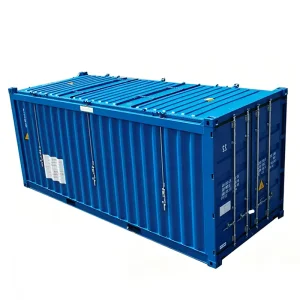
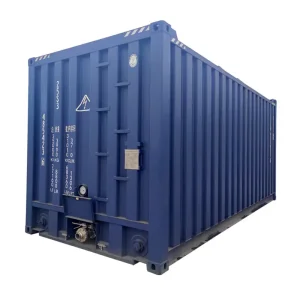
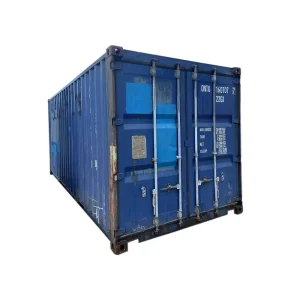
Beyond liquid tanks, dry cargo lined containers employ heavy-duty cross-laminated polyethylene or thermal insulating foil envelopes. These dry liner configurations convert standard 20ft and 40ft High Cube boxes into contamination-free, hermetic cargo holds for moisture-sensitive hygroscopic bulk solids, titanium dioxide, and food-grade commodities.
A transparent breakdown of cost structures, minimum order thresholds, and project execution variables required to secure commercial advantages.
Raw fluoropolymer resins (Daikin, Chemours, Arkema) represent 45–60% of total vessel bill-of-materials. Base vessel shell thickness (typically 4.5mm–6.0mm Corten steel or 304/316L stainless) and thermal heating systems (steam grids or electrical heat tracing) dictate baseline capital expenditure.
Standard dry box manufacturing produces a container every 3 minutes on automated tracks. In contrast, lined containers require rigorous surface grit blasting to Sa 2.5/Sa 3.0, precision primer bonding, sheet autoclaving or multi-layer rotational sintering, requiring 25–45 days per project batch.
While generic shipping containers demand minimum runs of 10–50 TEUs, specialized lined containers and chemical tanks accommodate low MOQ thresholds (1 to 5 units). Full OEM/ODM customisation accommodates custom siphon pipes, spill box valving, bottom discharge locks, and telematics ports.
With major manufacturing complexes located in Tianjin and Suzhou approximately 100 km from major container terminals, international buyers minimize domestic inland drayage expenses and dispatch vessels swiftly to North America, Europe, Africa, and Southeast Asia.
From maritime chemical carriers to deep offshore platforms, our container engineering fulfills mission-critical operational challenges.
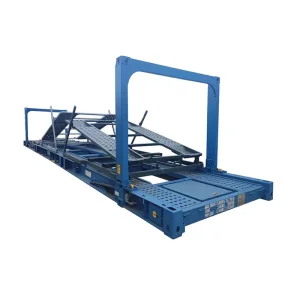
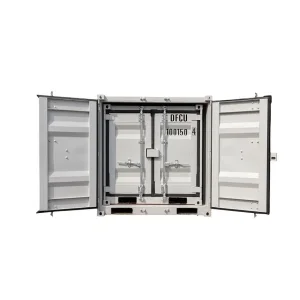
Offshore oil exploration requires continuous dosage of corrosion inhibitors, methanol, and biocides under harsh marine exposure. Lined containers built to DNV 2.7-1 and EN 12079 structural standards integrate heavy-duty pad-eyes, multi-point sling sets, and shock-resistant rubber/fluoropolymer linings that endure wave impacts, marine brine, and dynamic platform lifting.
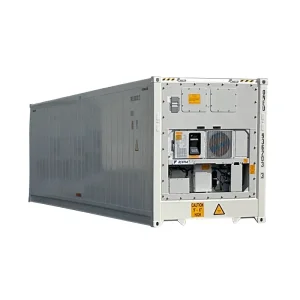
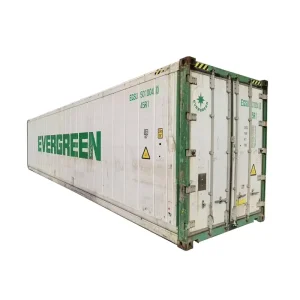
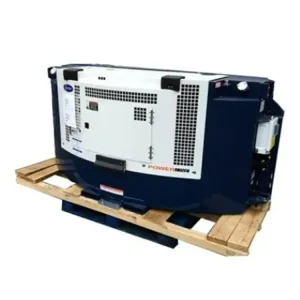
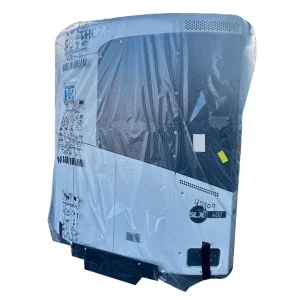
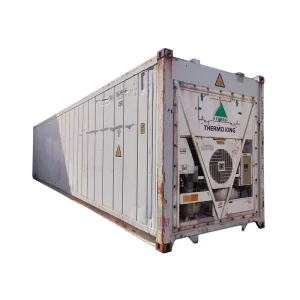
For temperature-sensitive biocides, high-potency API intermediates, and temperature-controlled food shipments, our lined insulated and refrigerated units match integrated refrigeration engines (Thermo King, Carrier, Daikin) with chemically inert composite or food-grade interior wall linings, preventing cross-contamination and preserving thermal integrity from -30°C to +30°C.
Global agrochemical and battery-electrolyte enterprises utilize our custom-coded lined ISO fleet in closed-loop circulation. High-precision bottom valves, dry-disconnect couplings (Todo-Matic), vapor return lines, and nitrogen-purging fittings ensure zero-emission transfers during repeated transoceanic and rail landbridge transits.
Every lined unit leaves the factory with third-party verification, non-destructive testing (NDT), and documented certification to clear maritime authorities worldwide.
Our pressure vessel shells and intermodal frame assemblies are engineered strictly in accordance with IMDG (International Maritime Dangerous Goods Code), ADR/RID (European Road and Rail Hazardous Goods), US DOT 51, CSC (Convention for Safe Containers), and ASME Boiler and Pressure Vessel Code (Section VIII Division 1, 'U' stamp available).
Even microscopic pinholes in polymer barriers allow acid attack on the outer steel substrate. Our QA team subjects 100% of internal lined surface areas to high-frequency dielectric spark holiday testing (up to 25,000 Volts in accordance with NACE SP0188 / ASTM D5162). A zero-leakage certificate accompanies each container release dossier.
Tanks undergo hydrostatic pressure testing at 1.5 times the maximum allowable working pressure (MAWP) for at least 30 minutes, followed by vacuum collapse resistance testing at 0.4 bar vacuum to verify that polymer-to-steel bonding adhesives resist blistering or delamination under sudden pressure differentials during high-speed discharge.
The next generation of lined containers incorporates real-time IoT condition monitoring and lightweight composite architectures.
Next-gen tanks embed micro-sensor grids between the steel frame and the fluoropolymer liner. These sensors monitor impedance and capacitance shifts, detecting chemical permeation long before physical lining breach occurs, relaying safety alerts via satellite and 5G telematics directly to fleet dispatchers.
Through the integration of micro-alloyed ultra-high-strength steel and carbon-fiber composite wrap technologies, the structural tare weight of 20ft ISO lined tanks is being engineered downward by 15–20%. This tare reduction enables logistics operators to load up to 1,200 kg of additional payload within standard road weight limits.
Cleaning lined tanks carries operator safety risks and requires hazardous effluent processing. Modern container designs integrate orbital clean-in-place (CIP) spray heads engineered from Hastelloy C276 or PTFE, cutting chemical cleaning rinse volumes by 65% and reducing depot turnaround times to under 3 hours.
Direct technical answers from our senior design engineers to assist chemical cargo managers, shipping lines, and procurement executives.
Explore additional certified models, offshore containment units, and high-cube refrigerated systems ready for global deployment.