Explore heavy-duty intermodal units engineered to ISO 1496-1 specifications, certified by Bureau Veritas (BV), ABS, and DNV for maritime, railway, and terrestrial supply chains.

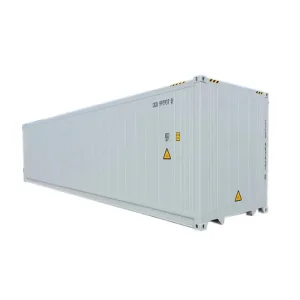
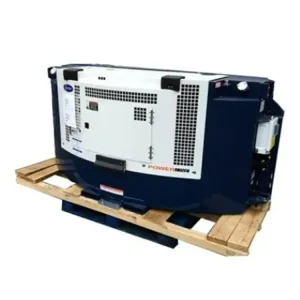
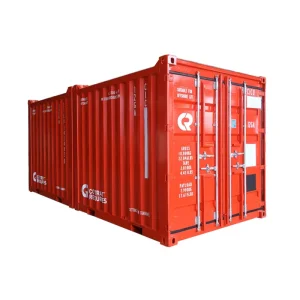
Understanding factory FOB cost compositions, Corten-A raw material indices, and tier-stratified procurement benchmarks for intermodal asset buyers.
In global trade economics, the 20-foot general-purpose dry container (standard ISO designation 22G1) acts as the standard Twenty-Foot Equivalent Unit (TEU) baseline. Understanding the genuine factory-gate pricelist requires a transparent look into steel market commodity fluctuations, industrial coating compliance, and energy expenditure. A newly fabricated standard 20 ft dry shipping container represents roughly 1.6 to 1.8 metric tons of high-tensile SPA-H Corten atmospheric corrosion-resistant steel. Raw steel accounts for roughly 55% to 62% of the factory cost base, while automated multi-stage robotic welding, shot blasting, zinc-rich waterborne primer applications, structural bamboo/hardwood marine-grade flooring, and corner casting quality control comprise the remainder.
The table below outlines international price expectations across varying structural classifications, condition tiers, and order volumes sourced directly through major manufacturing terminals such as Tianjin Port and Yangtze River Delta industrial bases.
| Classification / Container Variant | Structural Specification | Certification Compliance | Typical FOB Port Baseline (USD) | Optimal Order MOQ | Procurement Status |
|---|---|---|---|---|---|
| Standard 20ft Dry Cargo (New Build) | ISO 1496-1, Corten SPA-H, 28mm Plywood/Bamboo Floor | BV, ABS, CCS, CSC Plate Included | $1,750 – $2,350 | 10 – 50 Units | High Velocity |
| 20ft High-Cube Dry Container (9'6") | Enhanced vertical clearance, high cube corner posts | ISO 668, CSC 30-Month Certified | $2,100 – $2,700 | 5 – 25 Units | High Velocity |
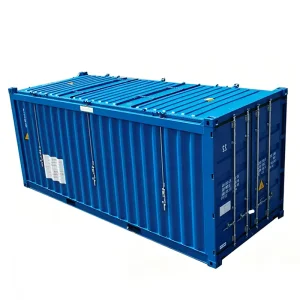
| 20ft Hard Open-Top (Removable Steel Roof) | Reinforced top headers, removable rigid steel cover plate | TIR Approved, UIC 592, BV Tested | $3,400 – $4,200 | 2 – 10 Units | Specialized |
| 20ft Full Side-Access Door Container | Bi-fold or quadruple hinged side leaves, continuous sill beam | ISO structural integrity verified, CSC | $3,600 – $4,850 | 2 – 10 Units | High Demand |
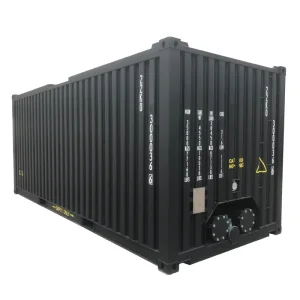
| 20ft DNV 2.7-1 / EN 12079 Offshore Dry | Heavy-duty lifting pad eyes, internal crash rails, -20°C steel | DNV GL Certified, Type-Tested Slings | $5,800 – $8,200 | 1 – 5 Units | Critical Offshore |
| 20ft Cargo-Worthy (CW) Inspected Used | Depot refurbished, wind & watertight (WWT), valid CSC | IICL-5 / Cargo-Worthy Inspected | $1,100 – $1,550 | Flexible / Bulk Lot | Spot Stock |
*Note: Factory-gate baseline estimates are subject to monthly hot-rolled coil (HRC) steel index variations, currency conversion dynamics, and global energy costs. Volume discounts apply systematically on orders exceeding 100 TEU.
Deep-tier supply chain integration, metallurgic superiority, automated assembly robotics, and geographic port synergy in Tianjin and Suzhou.
Our Tianjin and Suzhou manufacturing plants utilize specialized high-grade SPA-H atmospheric corrosion-resistant steel sourced from premier domestic steel mills. When exposed to ocean ambient atmospheric environments, this metallurgy produces an impervious patina oxide layer that arrests rust migration, extending structural integrity well beyond 25 operational years under harsh saline conditions.
Fabrication operations integrate automated continuous multi-axis robotic welding cells for corrugation pressing and corner post joining. This ensures precise deep-weld penetration across high-stress tensile points, eliminating micro-voids, porosity, and uneven weld seams that compromise weather tightness or fail under dynamic top-corner lashing forces.
In accordance with global volatile organic compound (VOC) reduction mandates, Chinese manufacturing incorporates automatic high-pressure shot blasting to SA 2.5 profile standards, followed immediately by waterborne zinc-rich primers, intermediate epoxy barriers, and polyurethane exterior topcoats that resist cyclic UV degradation and salt spray corrosion.
Located within approximately 100 kilometers of the major maritime export gates of Tianjin (North China) and Shanghai/Ningbo (East China), our facilities offer immediate empty depot dispatch, swift vessel loading, and multi-tier sea-rail intermodal connectivity, minimizing drayage expenditures and ensuring predictable delivery lead times.
Every fabrication run undergoes mandatory testing and inspection (TIC) including hydraulic testing, floor deflection checks, weather-tightness smoke assessments, and transverse racking tests. Units bear verified Bureau Veritas (BV), ABS, or CCS approval plates, satisfying international Customs and maritime treaties.
Beyond traditional dry freight boxes, Chinese manufacturing bases deliver bespoke engineering solutions: custom roller-shutter apertures, heavy floor load reinforcement (up to 40,000 kg MGW), side-curtain conversions, insulation linings, hazardous liquid retention coamings, and integrated turnkey shelter designs.
How the convergence of AIoT telemetry, low-carbon materials, and digital twins is reshaping the global intermodal fleet landscape.
Next-generation dry containers are increasingly fitted with solar-harvesting edge sensors embedded flush within corner casting corrugations. These provide autonomous satellite and cellular tracking of door openings, real-time shock and vibration impacts, humidity thresholds, and internal volume utilization.
To curb deforestation associated with traditional tropical apitong hardwood, the industry is transitioning to rapid-renewal multi-ply bamboo veneers and recyclable fiber-reinforced plastic (FRP) sandwich panels, achieving high flexural strength with superior fungal and rot immunity.
Innovations in nano-engineered graphene zinc primers deliver enhanced salt-spray barrier protection with lower dry film thickness (DFT). This saves tare weight while elevating marine anti-corrosion endurance from standard C4 to extreme C5-M industrial marine environments.
Leading enterprise container lines now leverage predictive maintenance algorithms powered by cloud digital twins. Standard 20 ft units are tracked across shipping lanes to model fatigue wear, floor load history, and coating deterioration, preempting structural failures before ocean transit.
Deploying 20 ft dry shipping containers to maximize payload density, mitigate supply chain volatility, and accelerate Eurasian and Pan-American intermodal flows.
The Eurasia rail land bridge network (China-Europe Railway Express) places heavy dynamic loads on equipment through rapid climate transitions (-40°C in Siberia to +35°C in European lowlands). Standard 20 ft dry units, especially when paired on 40 ft flatbed rail wagons, offer structural rigidity and weight distribution for dense industrial freight such as auto parts, machinery components, and refined metals.
A modern 24,000 TEU ultra-large container vessel (ULCV) can stack 20 ft boxes up to 10-11 tiers high below deck and 9 tiers above weather deck. Under ISO 1496-1 testing protocols, our manufactured 20 ft units resist 86,400 kg compressive vertical corner post loading per post, safeguarding cargo integrity against adverse roll, pitch, and heave motions encountered during transpacific and transatlantic routes.
Supply chain shocks, port congestions, and carrier blank sailings often result in steep demurrage and detention (D&D) penalties. Forward-thinking enterprise supply chains procure dedicated shipper-owned containers (SOC). Utilizing an owned 20 ft dry fleet allows enterprises to convert boxes into flexible inland buffer depots without facing recurring carrier detention tariffs.
Beyond ocean freight: how the structural envelope of the standard 20 ft dry box powers industrial infrastructure, energy grids, and resource projects worldwide.
On remote civil engineering and industrial mining projects, weather-tight 20 ft dry containers serve as tamper-evident on-site lockers. Reinforced with security lock-boxes, interior steel shelving, and hazard-containment bunds, they protect heavy instrumentation and tooling from site theft, dust, and torrential weather.
The transition toward renewable energy necessitates modular, fire-isolated battery containment. Standard 20 ft heavy-frame dry shells are structurally modified with structural fire separation barriers (A60 fire-rated), HVAC intake plenums, FM-200 explosion suppression vents, and reinforced sub-flooring to house megawatt-scale lithium-ion battery arrays.
Emerging agricultural economies deploy insulated and dry 20-foot configurations as decentralized post-harvest aggregation nodes. Placed directly at the farm gate, they protect grain, coffee beans, cacao, and packaged fertilizers from rodents, tropical humidity spikes, and seasonal monsoon damage prior to bulk overland transit.
Government disaster-relief agencies maintain pre-packed 20 ft dry units loaded with mobile water purification systems, emergency triage gear, and emergency shelter components. Standard ISO handling dimensions allow these relief units to be flown via military cargo aircraft or rapidly dropped via standard tilt-bed trucks.
Resource extraction operations in Western Australia, Latin America, and Sub-Saharan Africa utilize 20 ft converted modular structures for mobile core-sample analysis laboratories, satellite telecommunication bases, generator switchgear enclosures, and fully plumbed worker accommodations built for rapid transport between exploration tracts.
Urban micro-logistics hubs utilize adapted 20-foot dry shipping containers with customized hydraulic side-apertures for automated parcel lockers, street-side coffee franchises, event hospitality pods, and last-mile electric-bike charging stations within dense metropolitan environments.
A rigorous economic framework comparing Carrier Leased (COC) vs. Shipper Owned (SOC) assets, structural inspection protocols, and long-term residual values.
Procurement managers must audit structural engineering parameters against intended cargo density to avoid underutilizing vessel slots or risking overland axle overload sanctions. Below are standardized baseline values for industrial 20ft dry containers:
When annual turnaround durations exceed 120 days or transit lanes include inland destinations with high equipment repositioning costs, direct factory purchase of shipper-owned containers (SOC) delivers a superior return on investment (ROI) compared to long-term carrier leases (COC), mitigating per-diem detention risks.
Floor specifications dictate payload resilience. Standard containers utilize 28mm 19-ply hardwood or compressed bamboo composite flooring, secured with countersunk zinc-coated self-tapping fasteners. Each cross-member is engineered to withstand front-axle forklift loads of 5,460 kg (12,000 lbs) per ISO test standards.
A high-specification Corten steel 20-foot container maintains predictable residual resale value. Even after 12 to 15 years in international liner service, cargo-worthy units routinely command between 45% and 60% of their initial procurement price on secondary self-storage, agriculture, and construction markets.
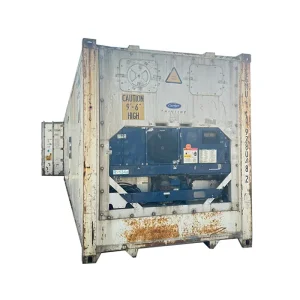
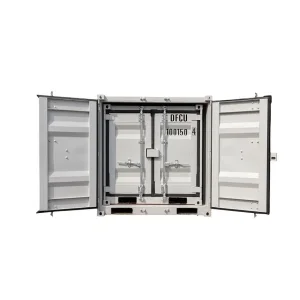
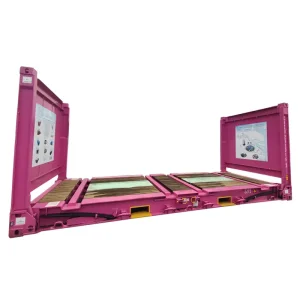
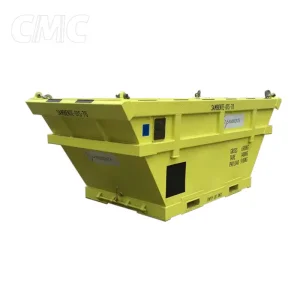
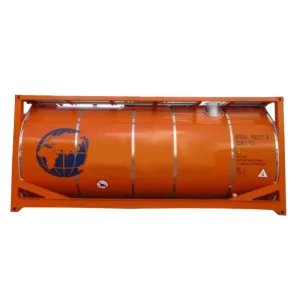
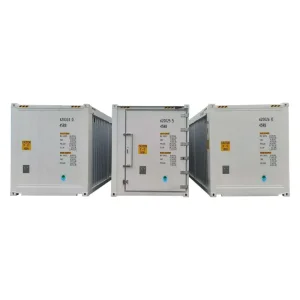
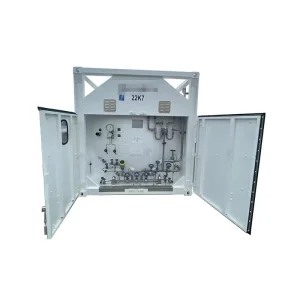
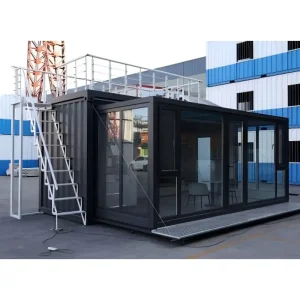
Review additional high-specification tank units, platform frames, certified offshore equipment, and modular container products available for worldwide export dispatch.
In-depth technical, commercial, and operational answers addressing the core questions of fleet directors, procurement officers, and intermodal freight forwarders.
Factory-gate FOB prices for newly built 20-foot standard ISO dry shipping containers manufactured from SPA-H Corten steel typically fluctuate between $1,750 and $2,350 USD per unit under normalized global supply dynamics. Exact price levels depend on the contemporary Shanghai hot-rolled coil (HRC) steel index, selected flooring material (marine-grade plywood vs. bamboo composite), coating specifications (waterborne vs. solvent-borne), and procurement volume.
While a 40-foot standard container provides more than double the volumetric internal capacity (approx. 67.7 m³ vs. 33.2 m³), a 20-foot container offers superior load density for concentrated, heavy freight. A 20ft unit possesses a maximum payload rating of up to 28,230 kg (with a Max Gross Weight of 30,480 kg), making it the optimal choice for high-density goods such as mineral ores, grain, stone, steel coils, and concentrated liquid flexitanks where volume limits are reached well after weight limits.
Every dry container in international maritime transport must possess a valid International Convention for Safe Containers (CSC) safety approval plate. This plate certifies that the design prototype has successfully passed static and dynamic load testing administered by an authorized third-party classification society such as Bureau Veritas (BV), ABS, DNV GL, or China Classification Society (CCS) in full compliance with ISO 1496-1 and ISO 668.
Yes. As an integrated OEM/ODM container manufacturer with facilities in Tianjin and Suzhou, CIMIC regularly executes custom engineering orders. Common customizations include full side-access doors, dual-end opening double doors, integrated roller shutters, floor load strengthening (up to 36,000 kg MGW), installation of ventilation louvers, internal thermal insulation linings, and complete conversions for electrical switchgear or modular equipment housing.
To optimize repositioning economics, buyers typically utilize "one-way cargo load" arrangements. Under this framework, international freight forwarders or shipping lines lease the brand-new containers for a single loaded export voyage from Chinese ports (Tianjin, Qingdao, Shanghai, Ningbo) directly to the buyer's destination terminal. This offsets ocean freight costs, allowing the container to arrive at its final destination port at near-zero net repositioning expenditure.
Manufactured from high-yield SPA-H Corten steel with three-coat zinc-epoxy polyurethane surface finishes, an ISO 20ft dry container has an active deep-sea maritime service life of 12 to 15 years, followed by 15 to 25+ years in terrestrial storage and modular infrastructure roles. Recommended ongoing maintenance involves annual visual inspections of door EPDM gasket seals, lubricating door hinge locking bars, and immediate spot-priming of any localized abrasion to maintain continuous barrier protection.
