Engineered to withstand rigorous maritime, industrial, and modular architectural standards. Fully certified under ISO, DNV, and BV compliance registries.
Transitioning from humble standardized freight conduits into high-precision structural building blocks and advanced intermodal hardware.
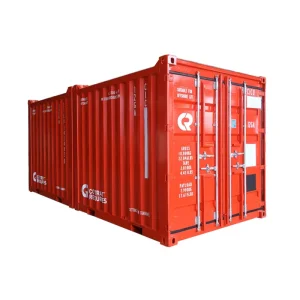
The global shipping container market has undergone a fundamental architectural evolution over the past decade. Once perceived strictly through the lens of maritime logistics and standard TEU (Twenty-Foot Equivalent Unit) tracking, modern shipping containers—particularly structural grades defined under ISO 1496-1—are now recognized as fundamental structural envelopes for industrial housing, automated energy storage system (BESS) shelters, rapid-deployment medical centers, and high-performance commercial facilities.
Escalating labor costs and prolonged construction cycles in North America, Europe, and Australasia have catalyzed this structural paradigm shift. According to recent industrial data, off-site prefabricated construction leveraging repurposed or purpose-built Corten-A steel building containers reduces project timelines by up to 55% while trimming material waste by over 70%. Concurrently, cross-border infrastructure initiatives require extreme payload capacities, seismic-tier racking resilience, and rigorous cold-chain integrity, giving rise to multi-purpose structures that unify heavy freight capabilities with habitable thermal envelopes.
Engineered with atmospheric corrosion-resistant alloy steel yielding higher tensile resistance (up to 490 MPa), allowing structural multi-tier vertical stacking up to 9 units under full ocean load.
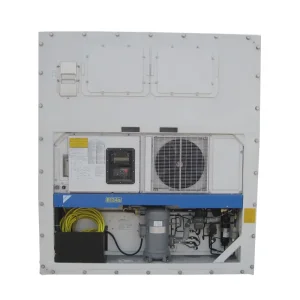
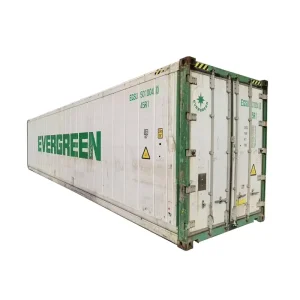
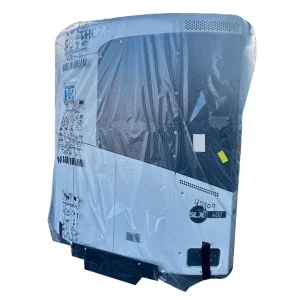
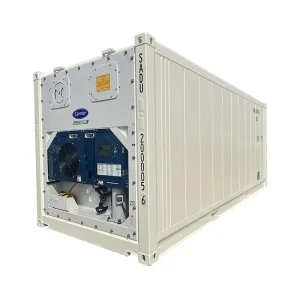
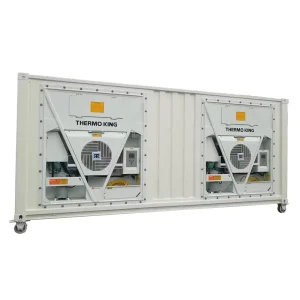
Integration of marine-grade cooling matrices from Carrier, Thermo King, and Daikin delivering precise continuous microclimates down to -40°C, compliant with GDP pharmaceutical shipping requirements.
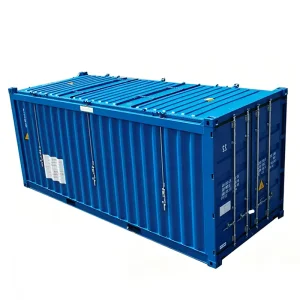
Built and stamped under Bureau Veritas (BV), ISO 9001/14001, and DNV (Det Norske Veritas) 2.7-1 / EN 12079 criteria for offshore dynamic crane hoisting and harsh open-water environments.
How the concentration of metallurgical supply chains and coastal port logistics enables unparalleled speed, precision, and economic leverage.
China accounts for more than 90% of global ISO shipping container output, a dominance anchored by holistic industrial clusters rather than simple labor economics. Modern industrial complexes across Tianjin and the Yangtze River Delta (Suzhou, Taicang) integrate hot-rolled steel strip processing, automated stamping of corrugation profiles, continuous submerged arc welding (SAW), automated shot-blasting, and multi-layer zinc-rich epoxy paint lines into continuous automated workflows.
This deep vertical integration yields quantifiable strategic advantages for global infrastructure operators, EPC contractors, and fleet managers:
| Evaluation Parameter | Chinese Dedicated Production Base (Tianjin/Suzhou) | Decentralized Overseas Assembly Yards |
|---|---|---|
| Raw Material Supply Chain | Direct mill-tie integration (Baosteel, Ansteel) with certified SPA-H Corten alloy plates. |
Secondary import markup on raw materials; variable metallurgical consistency. |
| Welding & Structural Tolerances | Automated robotic multi-axis welding yielding dimensional precision within ±1.5mm. |
Predominantly manual MIG/TIG setups with higher variance in corner-casting squareness. |
| Surface Pretreatment | Automated whole-box shot-blasting to ISO Sa 2.5 before multi-coat epoxy primer application. |
Manual hand-blasting or partial dipping; potential risk of premature marine corrosion. |
| Custom CAD/OEM Flexibility | In-house naval architects & structural engineers producing bespoke DNV/ISO shop drawings within 48h. | Outsourced third-party engineering adding 2-4 weeks to design approval phases. |
| FOB Dispatch Velocity | Immediate access to major deepwater container terminals (Tianjin Port, Shanghai Port). | Inland trucking transit overheads, delayed staging, and drayage surcharges. |
Deployment methodologies across diverse global environments—from Arctic mineral basins to offshore oil rigs and urban modular hubs.
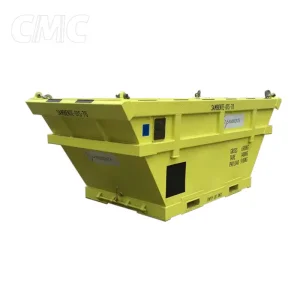
Certified under DNV 2.7-1, our offshore cargo baskets, silt containers, and pressurized lab units feature reinforced pad eyes, four-part slings, and sub-zero impact steel tested at -20°C for dynamic wave-motion transfer in the North Sea and Gulf of Mexico.
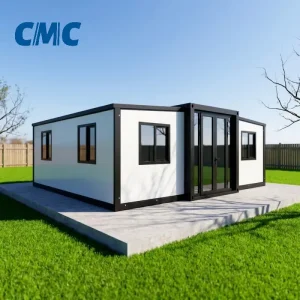
For hotels, student housing, and emergency clinics across Europe and North America, containers are pre-engineered with thermal bridge breaks, pre-installed conduits, non-combustible rockwool insulation (A1 fire class), and high-density fiber cement subfloors.
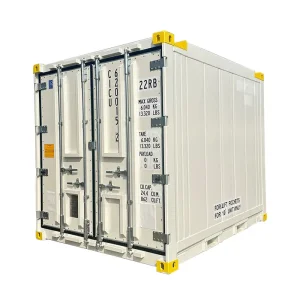
From high-value biological pharmaceuticals requiring unbroken sub-zero records to perishable trans-oceanic agricultural exports, active reefer containers integrate micro-channel condenser coils and remote telemetry for continuous tracking of humidity and O2/CO2 levels.
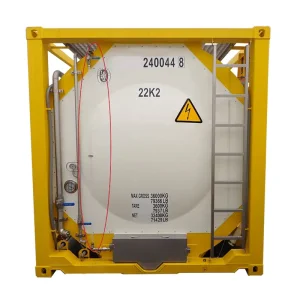
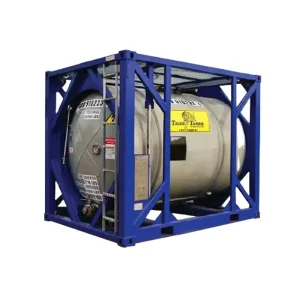
Our ISO tank containers, lined with 316L stainless steel and encapsulated within robust outer frames, serve the precise transport requirements of corrosive acids, alcoholic commodities, and industrial chemicals across multimodal rail and maritime loops.
Custom-built container shells designed with integrated thermal dissipation ducting, explosion-proof ventilation louvers, seismic anchoring brackets, and fire-suppression nozzle mounts engineered for lithium-ion grid storage systems.
A rigorous checklist for EPC contractors, logistics procurement directors, and project engineers sourcing high-volume containerized assets.
Procuring specialized container architecture from overseas factories demands strict adherence to rigorous engineering protocols. International buyers must systematically evaluate vendor proposals across four distinct technical layers to mitigate structural risks, prevent thermal bridging, and avoid customs rejection at destination ports:
Always demand mill test certificates (MTC) proving authentic Corten-A / SPA-H composition with verified copper, chromium, and nickel content. Ordinary structural carbon steel (Q235) will accelerate rust progression under aggressive saline conditions.
Corner castings handle 100% of stack load. Ensure all eight corner blocks are manufactured from normalized cast steel (SCW480 or equivalent) and stamped with accredited classification markings (BV, ABS, CCS, or LR) for complete traceability.
Verify that paint coatings adhere to marine protective grade C5-M or C5-I specifications. Dry Film Thickness (DFT) must measure at least 120–150 microns across corrugated surfaces and 180+ microns on understructures, verified using calibrated magnetic gauges.
Mandate clear quality gates: pre-weld dimensional checks, dye-penetrant testing (PT) on critical hoist lugs, high-pressure water tightness spray tests (at 200 kPa pressure minimum), and comprehensive reefer unit operational run tests before packaging.
Definitive engineering answers addressing container structural ratings, insulation strategies, export documentation, and customization bounds.
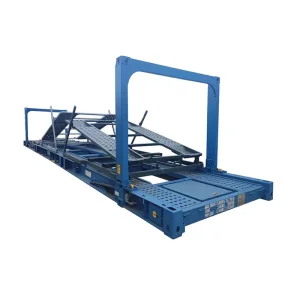
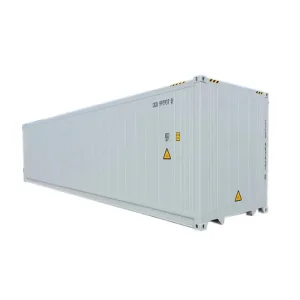
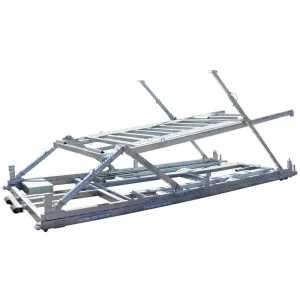
Explore our extensive portfolio of insulated, multi-door, tank, and vehicle transport containers built to exact customer specifications.