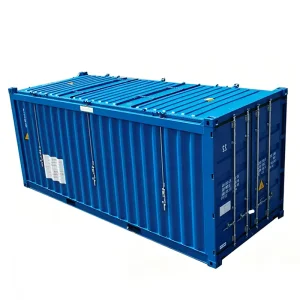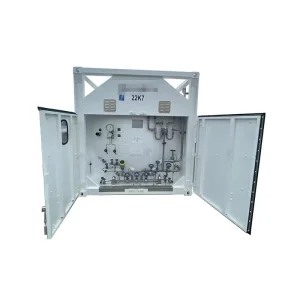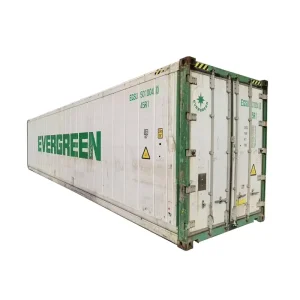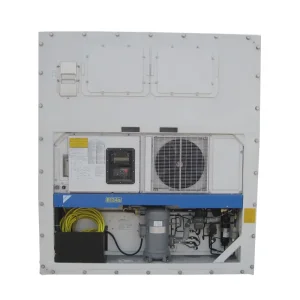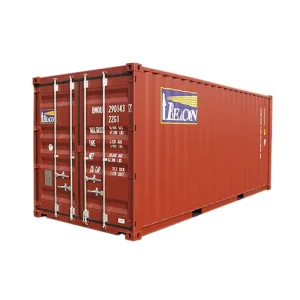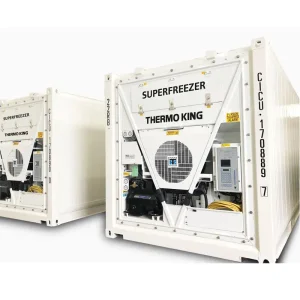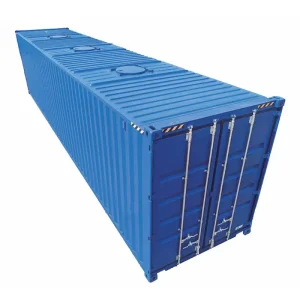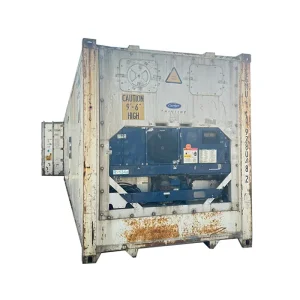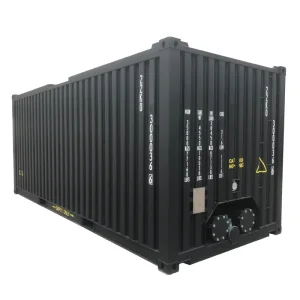
Immediate dispatch available across factory-certified specialty configurations, dynamic thermal reefers, heavy-density bulk carriers, and DNV offshore assets.
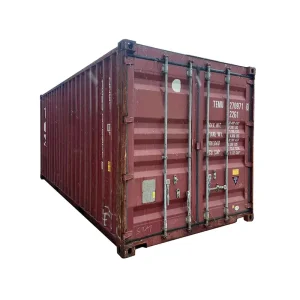
Direct from primary production lines: analyzing metallurgical raw material pricing, intermodal regulatory certification, and volatile multi-corridor ocean logistics.
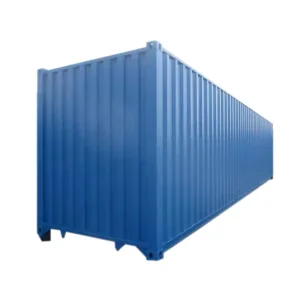
Corten-A and SPA-H structural steel represent over 58% of gross manufacturing outlay in standard 20ft dry and specialized containers. Fluctuations in hot-rolled steel coils, combined with eco-compliant waterborne marine zinc primers, establish the hard economic floor for baseline factory quotes.
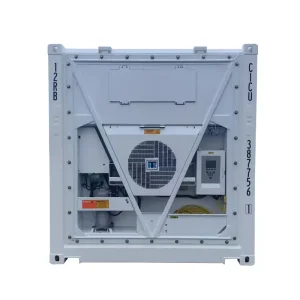
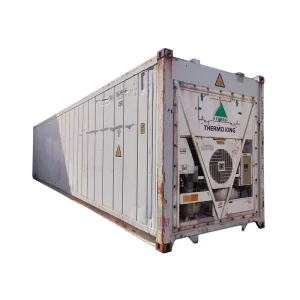
Comparing standard dry boxes with active refrigeration units illustrates dramatic price differentiation. When equipping units with leading thermal units like Carrier Transicold, Daikin, or Thermo King, capital investment shifts toward microchannel condenser coils, specialized scroll compressors, and polyurethane vacuum foaming.
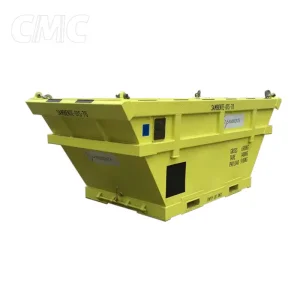
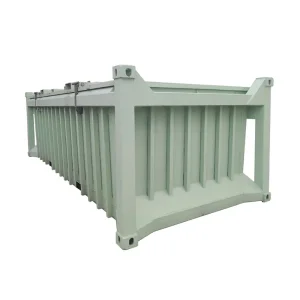
Offshore units built to DNV 2.7-1 / EN 12079 benchmarks demand full metallurgical tracing, Charpy V-notch impact testing at -20°C or -40°C, and certified continuous non-destructive weld testing (NDT), commanding an engineering premium over baseline standard ISO dry containers.
Engineered for global procurement heads, intermodal asset managers, and logistical infrastructure operators evaluating landed costs versus operational longevity.
| Equipment Architecture | Structural Metallurgy | Certification Criteria | Target Procurement Use-Case | Estimated Service Lifespan |
|---|---|---|---|---|
| 20ft ISO General Dry Box | SPA-H Corten Steel (1.6 - 2.0mm) | ISO 1496-1, CSC, BV, ABS | Standard multimodal dry cargo, site storage | 20 – 25 Years |
| 20ft Electric Reefer Container | MGSS / Stainless Inner / Corten Frame | TIR, ATP, BV Shipping Certified | Cold-chain pharmaceuticals, deep freeze perishables | 15 – 18 Years |
| 20ft DNV Offshore Basket / Box | High-Yield Structural Steel (Charpy -20°C) | DNVGL-ST-E271, EN 12079, Lloyd's | Offshore platform supply, subsea operations, minerals | 12 – 15 Years (Harsh Marine) |
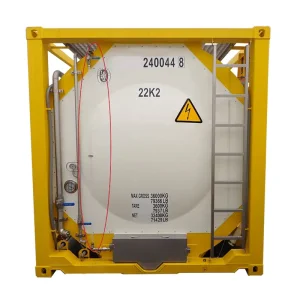
| 20ft ISO Intermodal Liquid Tank | 316L Stainless Steel Pressure Vessel | ASME, IMDG, UN T-Code, ADR/RID | Bulk chemicals, alcohols, food-grade commodities | 20+ Years (Subject to Recertification) |
| 20ft Used Storage Asset (Cargo Worthy) | Secondary Corten Steel | CSC Inspection / Survey Certified | Secondary distribution, field storage, modular building | 8 – 12 Remaining Years |
Procurement directors manage strategic balance sheets: evaluating acquisition pricing, terminal handling charges, repositioning costs, and dynamic asset life.
Whether managing railway logistics across Central Asia or transoceanic routes to Rotterdam, the 20ft container (1 TEU) remains the baseline metric. Global supply chain procurement strategies focus on strict interchangeability: structural cross-members, fork-pocket spacing, and ISO corner castings must match port gantry systems without deviation.
Factory-new units purchased from direct Chinese industrial manufacturers deliver superior residual value retention. When decommissioned after 12-15 years of maritime service, Cargo Worthy (CW) and Wind and Water Tight (WWT) certifications enable these assets to recover up to 35-45% of initial procurement capital via secondary conversion markets.
Initial factory purchase price accounts for only a portion of full-lifecycle asset costs. Substandard rustproofing or substandard flooring results in recurring cargo damage, customs rejections, and structural floor failures. Selecting high-grade multi-ply marine plywood and waterborne zinc anti-corrosion coatings delivers long-term operating cost containment.
Ensuring full operational safety from automated fabrication lines to severe offshore oilfield conditions.
Every individual unit carries a valid International Convention for Safe Containers (CSC) data plate, verifying structural stacking capacity (typically 216,000 kg gross weight) and racking resistance under deep-sea vessel motion.
For arctic routing and offshore platforms, steel sections undergo rigorous Charpy V-Notch impact testing down to -40°C, preventing brittle fracture failures under rapid ocean crane lifts.
Equipped with 28mm certified Apitong or hardwood marine plywood, floors pass standard 5,460 kg (12,000 lbs) axle dynamic front-loader wheel tests without elastic deflection or rupture.
Shot-blasting to Sa 2.5 standard followed by three-coat paint systems (zinc-rich primer, epoxy intermediate, and polyurethane topcoat) ensures long-term resistance to heavy salt-spray corrosion.
How smart telematics, ultra-low GWP refrigerants, and high-tensile composites are redefining the cost and performance of 20ft intermodal assets.
Factory installation of integrated solar-powered asset trackers, providing continuous GPS positioning, door open/close monitoring, internal shock logging, and temperature telemetry directly into enterprise ERP and supply chain systems.
Shift toward ultra-low global warming potential refrigerants like R1234yf and natural CO2 systems (R744). Advanced variable-speed scroll compressors reduce operating power consumption by up to 28% on transoceanic journeys.
Adopting carbon-fiber-reinforced polyurethane flooring and high-strength thermocore side panels, trimming tare weight by 15-20% and expanding payload capacity while cutting per-TEU fuel burn during road and rail haulage.
Implementing standardized digital materials passports and closed-loop recyclability programs. Full traceability of high-recycled-content green steel from electric arc furnace mills helps fleet operators satisfy global Scope 3 ESG compliance.
Clear, direct answers from manufacturing engineers on equipment specs, port deliveries, and pricing variables.
Brand new ("one-trip") 20ft containers reflect current raw steel and factory assembly costs, delivering an expected 20-25 year operational lifespan with complete CSC and classification society certification. Used containers (typically 10-14 years in commercial service) offer significant initial cost savings, making them suitable for static yard storage or domestic transit where long-term marine structural certs are not essential.
A 20ft reefer container is an advanced climate-controlled system featuring vacuum-injected polyurethane insulation walls, an internal stainless steel/MGSS lining, deep T-bar air distribution flooring, and an active refrigeration unit (Carrier Transicold, Daikin, or Thermo King) with specialized microprocessors, resulting in higher initial capital investment compared to standard steel dry boxes.
Logistics expenses are closely tied to regional origin. Production bases in major hub ports (such as Tianjin and Suzhou, within 100km of berths) save hundreds of dollars per TEU on drayage compared to inland facilities. In addition, shippers can utilize 'One-Way Free Use' repositioning programs, allowing cargo-loaded units to reach destination ports with minimal repositioning fees.
Standard ISO dry containers and inventory used reefers are available in flexible unit counts. For specialized OEM/ODM modifications—such as custom side openings, heavy structural flooring, unique paint liveries, or DNV offshore specifications—production runs are scheduled to optimize automated laser cutting and jig-welding tooling, balancing custom engineering needs with unit costs.
Explore our full line of specialized intermodal assets, high-capacity machinery, and extreme-environment storage equipment.