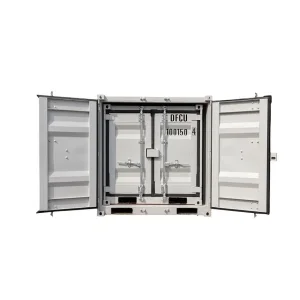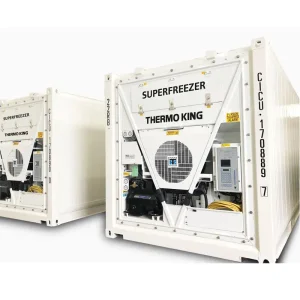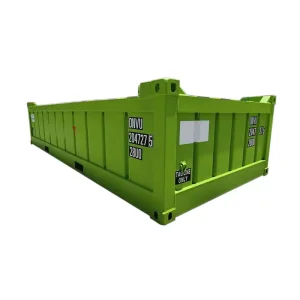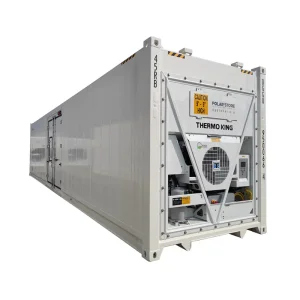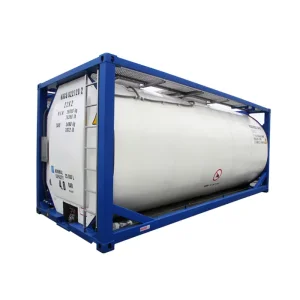
Verified ISO, BV, and DNV standard builds engineered for chemical transport, extreme cold chains, and heavy-duty offshore applications.
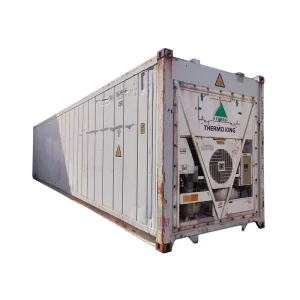
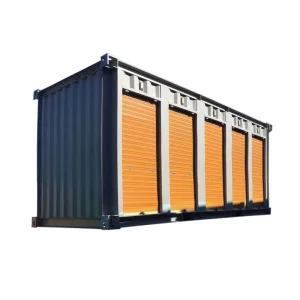
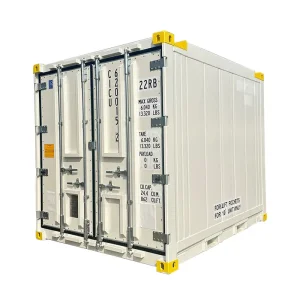
A deep-dive analysis into container metallurgy, structural integrity standards, and thermal performance coefficients across modern intermodal applications.
In modern intermodal freight networks, shipping containers have evolved far beyond standardized steel boxes. Today, the global manufacturing sector requires specialized containers engineered with specific chemical metallurgy, rigorous hydrodynamic dynamic-load tolerances, and automated thermodynamic performance parameters. As an industrial authority founded in 1983, Tianjin Cimic Imp&Exp Co., Ltd. (CIMIC Group) operates at the nexus of metallurgical advancement and structural containment engineering.
The manufacturing process adheres to strict international criteria. Standard dry cargo containers are fabricated using Corten-A weathering steel (SPA-H), providing elevated yield strength (minimum 345 MPa) and exceptional atmospheric corrosion resistance through the formation of an adherent oxide layer. For specialized cold chains, refrigerated containers incorporate inner skins of food-grade 304 or 316L stainless steel, outer skins of light-gauge muffler-grade stainless steel or Corten, and high-density, closed-cell polyurethane foam injected at high pressure to achieve minimal overall heat transfer coefficients (U-values ≤ 0.38 W/m²·K).
| Container Classification | Structural Metallurgy & Material | Key Performance Threshold | Applicable Global Standard | Primary Industrial Use-Case |
|---|---|---|---|---|
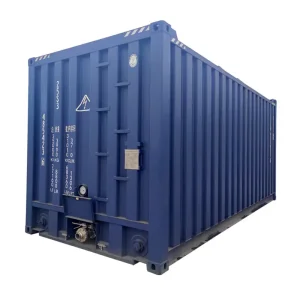
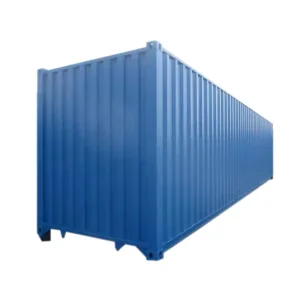
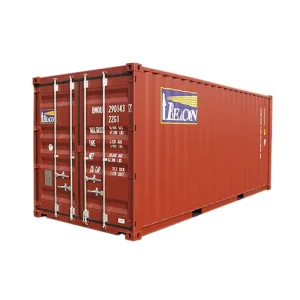
| General Purpose Dry Freight (20ft/40ft/40ft HC) | SPA-H Corten Weathering Steel, 28mm marine-grade hardwood flooring | Gross Payload: 30,480 kg; Corner-casting stackability up to 9-high laden | ISO 1496-1, CSC (Convention for Safe Containers), BV Certified | Palletized dry commodities, e-commerce transpacific routes, mining site equipment |
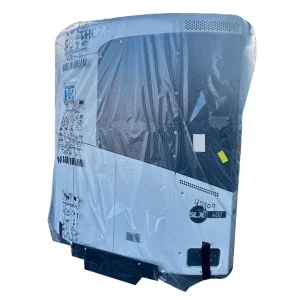
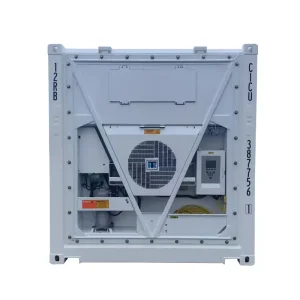
| Active Reefer Containers (Thermo King / Carrier / Daikin) | Food-grade SUS304 inner liner, high-index cyclopentane-blown PU insulation | Operational thermal range: -35°C to +30°C (±0.1°C tolerance micro-tuning) | ISO 1496-2, ATP (Agreement for Transport of Perishable Foodstuffs) | Deep-frozen seafood, seasonal horticulture, APIs and sensitive biologics |
| ISO Versatile Chemical Tank Containers | 316L Stainless Steel vessel, insulation layer with optional steam heating runs | Operating test pressures 4.0 to 6.0 Bar; Capacity: 14,000L to 26,000L | ASME VIII, UN Portable Tank (T11/T14/T22), IMDG / RID / ADR | Hazardous liquid chemicals, food-grade edible oils, bulk intermediate products |
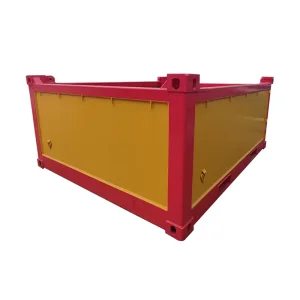
| Offshore Engineered Units (Half-Height, Baskets) | High-yield structural hollow sections, pad-eyes welded to primary frame | Tested under dynamic drop conditions at -20°C ambient temperatures | DNV 2.7-1 / EN 12079 / ISO 10855, ABS Offshore Certification | Subsea drilling supplies, drill pipe movement, subsea construction tooling |
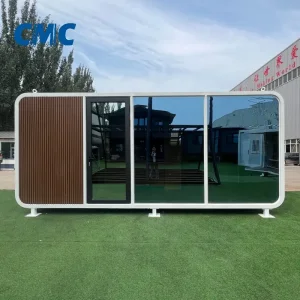
| Modular Habitation & Equipment Enclosures | Lightweight galvanized cold-formed steel frames, rockwool/glasswool panels | Structural wind load resistance > 180 km/h; Seismic resistance Zone 8 | CE certified, ISO modular architectural compliance | Remote workforce camps, turnkey containerized power systems, office pods |
Combining heavy-plate robotic welding, comprehensive port logistics, and full-spectrum supply chain clustering for competitive delivery cycles.
Direct integration with domestic tier-1 steel mills provides immediate access to Corten-A weathering steel coils, high-density non-CFC foam formulations, and automated robotic roll-forming. This end-to-end integration stabilizes pricing against international volatility while maintaining strict quality consistency.
Equipped with advanced CNC laser profiling lines, automated seam welding, and specialized hydro-pneumatic stamping presses. Standard OEM orders transition from technical review to serial production run in less than 21 days, supporting tight project timelines and rapid seasonal ramp-ups.
Strategic bases located in Tianjin and Suzhou, situated roughly 100 kilometers from international shipping hubs. Containers can be certified, custom-inspected, and marshaled directly for "One-Way Use" cabotage loading, saving buyers substantial repositioning freight costs.
Strategic trends observed across 2025–2030 container procurement, from telematics integration to circular modular infrastructure.
Active containers are shifting to integrated satellite and 5G sensor architectures. Real-time logging of internal cargo temperatures, ambient humidity, atmospheric O2/CO2 levels, and door-opening events provides automated compliance documentation for pharmaceutical cold chains.
To reduce embodied carbon across supply chains, buyers are sourcing certified 90% new and surveyed second-hand units. Refurbished containers are deployed for storage solutions, job-site staging, and custom modifications without compromising structural integrity.
Standard shipping architectures are increasingly adopted for grid-scale Battery Energy Storage Systems (BESS), water treatment enclosures, and mobile data centers. These installations rely on reinforced corrugations, precision louvers, and tailored structural load distribution.
Water-borne zinc-rich primers, combined with high-solid epoxy intermediate coats and polyurethane topcoats, have replaced solvent-heavy paint regimes. These advanced finishes meet international VOC standards while withstanding corrosive offshore salt-spray conditions.
Direct answers from our senior engineering team covering international certifications, structural options, and procurement logistics.
Most reefer and dry models are available in 10ft, 20ft, 20ft High Cube, 40ft and 40ft High Cube. Special builds such as side open door, roll-up door, half height and offshore containers are engineered to the project's dimensions and load requirements.
Our reefer range is supplied with mainstream refrigeration units including Thermo King, Daikin and Carrier, so buyers can match the unit to their local service network and spare parts availability.
CIMIC holds a BV shipping certificate and an ISO quality management certificate. Offshore dry cargo containers are manufactured in compliance with DNV certification requirements.
Yes. Buyers can select a model from our catalog or work one-to-one with our engineering team on custom dimensions, door configurations, insulation, coatings, branding and interior fit-out.
New containers are produced at our bases in Tianjin and Suzhou, about 100 kilometers from the seaport. Used containers are held at various Chinese ports, which shortens dispatch time for buyers.
MOQ depends on the degree of customization. Standard new and used containers are supplied in flexible quantities, while bespoke builds are planned per project. Our team will advise the most cost-efficient batch size for your requirement.
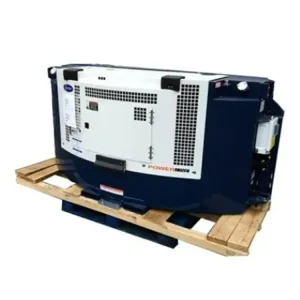
Explore specialized open-top containers, portable power units, liquid bulk transport vessels, and prefabricated modular architecture.