Certified intermodal refrigeration configurations engineered to ISO/CSC compliance, integrated with Tier-1 machinery for deep-freeze transoceanic passage, rail haulage, and dynamic job-site storage.

Accelerating shifts toward low-GWP refrigerants, predictive telematics, high-density vacuum insulation panels (VIP), and unbroken multimodal transition integrity.
Contemporary intermodal reefer manufacturing demands ultra-low thermal dissipation (U-value < 0.35 W/m²K). Utilizing high-pressure cyclopentane-blown polyurethane foam alongside nested composite thermal break barriers, cold bridge formation across standard 20ft and 40ft High Cube shells is effectively eliminated.
To prevent cellular senescence in high-value perishables during extended maritime transits exceeding 30 days, cutting-edge refrigeration shells incorporate dynamic nitrogen purging and active carbon scrubbers. Precise regulation of O₂ (1-5%) and CO₂ concentrations dramatically curtails respiration decay.
Global environmental ratifications (Kigali Amendment, F-Gas) drive reefer machinery choices away from legacy R134a toward low-GWP refrigerants such as R513A and non-flammable CO₂ (R744). Specialized condenser heat-exchanger alloys prevent corrosion throughout high-salinity blue-water trade routes.
Autonomous condition tracking devices deployed on each container deliver real-time data packets detailing core cargo temperature, return air flow, compressor discharge pressure, and defrost cycling intervals via hybrid satellite-cellular transceivers for full visibility across rail-to-ship handovers.
Procurement directors and fleet operators must balance mechanical resilience, thermal retention, and global parts accessibility when executing multi-unit tender orders.
Container structural longevity relies on Corten-A weathering steel corner posts and side rails to prevent structural distortion during high-density container stacking. Interior cargo linings utilize sanitary SUS 304 food-grade stainless steel with deep T-floor designs for optimal low-restriction bottom-air delivery.
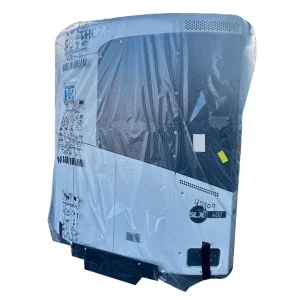
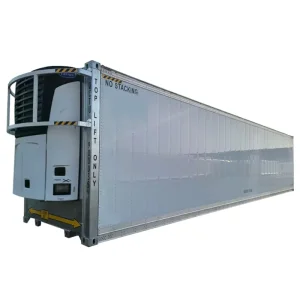
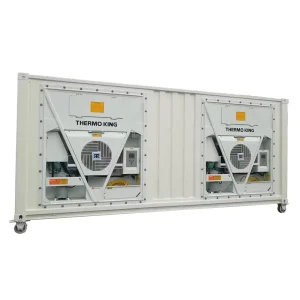
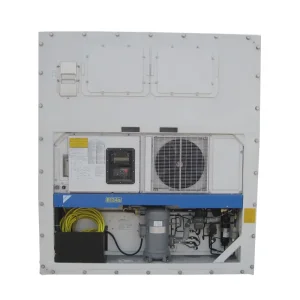
Fleet operators require flexibility in mechanical refrigeration pairing. Our standardized front bulkhead mounts accommodate factory installations of Carrier Transicold PrimeLINE, Thermo King Magnum PLUS, and Daikin LXE series, securing localized technical maintenance and certified spare parts inventory across worldwide maritime nodes.
For critical pharmaceutical and biological cold chain transit (-70°C to +30°C range), custom ODM units integrate dual-independent refrigeration circuits and backup generator systems (gensets). Automated failover logic prevents thermal excursions if one compressor encounters a fault during deep-ocean voyages.
How specialized containers bridge long-haul marine lanes, trans-continental rail corridors, offshore extraction facilities, and temporary pharmaceutical infrastructure.
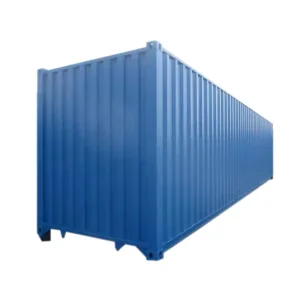
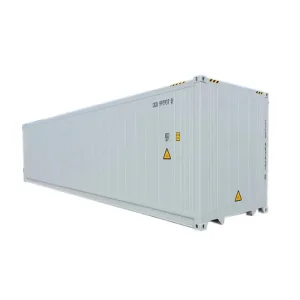
Built strictly within ISO 668 external boundary standards, our 20ft and 40ft High Cube containers transition smoothly from container vessel cell guides to intermodal well cars (rail) and terminal reach stackers without manual cargo handling, preserving the cold chain throughout multimodal shifts.
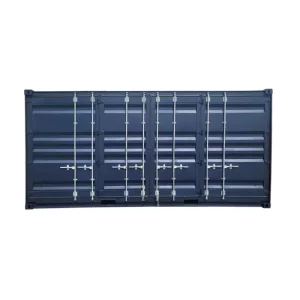
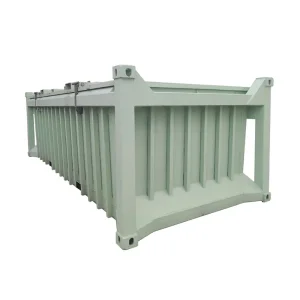
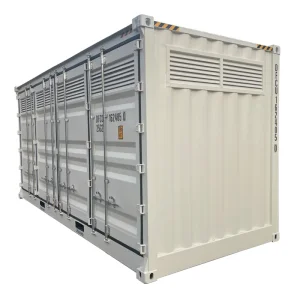
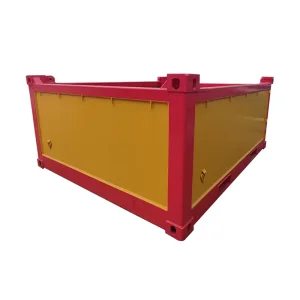
Offshore dry boxes, half-height ore containers, and offshore reefers built in compliance with DNV GL 2.7-1 / EN 12079 structural criteria. Featuring marine-grade epoxy coatings, integrated pad eyes, certified lifting slings, and explosion-proof refrigeration setups for platform supply duties.
High Cube refrigerated containers serve as instant cold-room installations for food processors, floral distributors, and agricultural packing yards. Equipped with interior emergency release handles, LED lighting, anti-slip aluminum flat floors, and air curtains to maintain stability under high daily usage.
Rigorous quality management verified under ISO 9001, Bureau Veritas (BV), and international shipping standards. Every container leaves our facilities with documented performance traceability.
Every refrigerated container is stamped with a CSC Safety Approval plate, certified for high stacking loads (up to 192,000 kg gross weight) and longitudinal racking resistance. Structures comply with TIR customs conventions and ISO 1496-2 standards for thermal containers.
Prior to seaport transfer from our Tianjin and Suzhou yards, each reefer undergoes a complete multi-hour PTI cycle. Automated diagnostic software checks phase balancing, probe calibration, heating cycle, refrigerant charge, and safety cut-out thresholds under heavy thermal loads.
Compliant with the Agreement on the International Carriage of Perishable Foodstuffs (ATP), validating Class FRC classification (-20°C internal capability against +30°C external ambient temperatures). This structural qualification ensures uninterrupted operation on cross-border European and Eurasian cold corridors.
Advancing thermal efficiency and autonomous intelligence across long-haul multimodal cold-chain assets.
Engineering low-profile roof-embedded flexible solar arrays that trickle-charge telematics batteries, data recorders, and pre-cooling auxiliary systems, preserving diesel genset fuel and extending intermodal dwell autonomy in rail yards.
Transitioning internal core insulation formulations toward renewable, bio-derived polyols. This approach reduces embedded cradle-to-gate carbon emissions by up to 28% per container shell while sustaining rigid compressive strength and flame resistance.
Integrating machine learning algorithms directly into edge controllers to evaluate vibration signatures and thermal ramp times. Potential component fatigue (expansion valve hunting, compressor bearing wear) can be flagged weeks before mechanical failure occurs.
Key technical and logistical considerations for procurement managers, logistics operators, and port terminal planners.
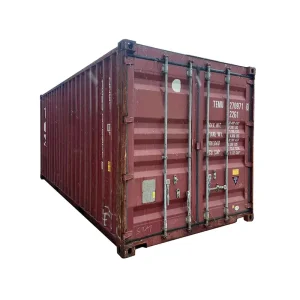
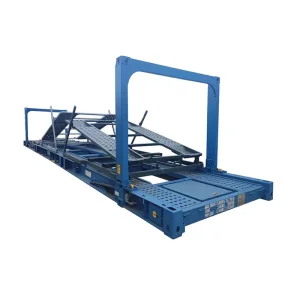
Complete structural inventory including mobile power trailer refrigeration, dry storage, offshore ore carriers, vehicle transport, and second-hand port stocks.