Industrial-grade intermodal, reefers, and high-cube utility units factory-assembled for worldwide export distribution.
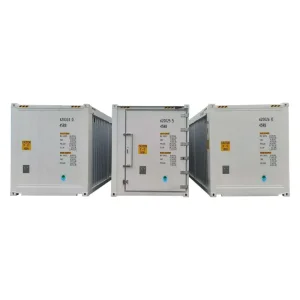
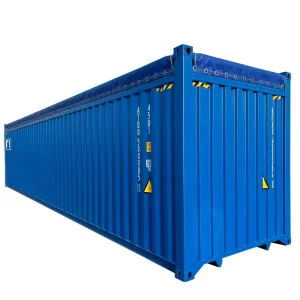
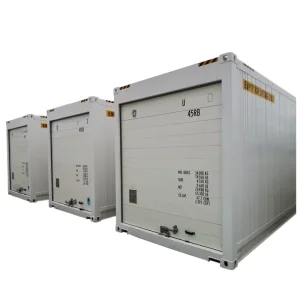
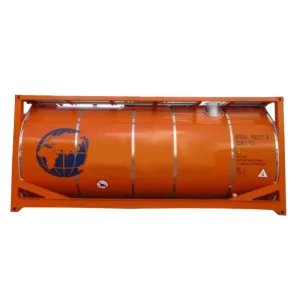
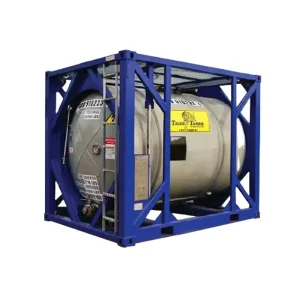
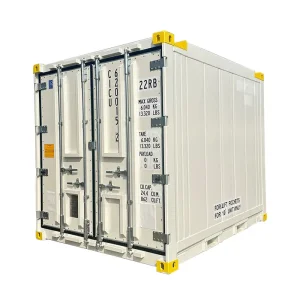
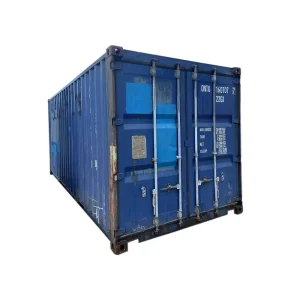
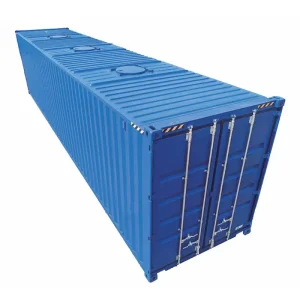
The containerized shipping sector is witnessing an undeniable structural shift. Historically, the intermodal trade relied predominantly on the standard 20-foot General Purpose (GP) container with a standardized exterior height of 8 feet 6 inches. However, cross-border multi-modal supply chains, light-density industrial dry bulk, modular battery energy storage systems (BESS), and specialized ODM integrations have created an aggressive surge in global demand for the 20-foot High Cube (9ft 6in) container. With an elevation gain of exactly one vertical foot (304 mm), this profile creates an incremental volume of roughly 4.2 to 5.1 cubic meters over traditional formats, achieving a total interior capacity exceeding 37.2 cubic meters without augmenting the standardized railcar or vessel bay footprint.
From the vantage point of Original Design Manufacturer (ODM) production lines located at Tianjin and Suzhou corridors, engineering the structural frame of a 20ft High Cube presents complex mechanical demands. The center of gravity changes dynamically when loaded with uneven distributions or dynamic offshore systems. The Corten steel composition (typically SPA-H anti-corrosion structural grade) must maintain critical structural integrity to pass standard ISO 1496-1 transverse racking and longitudinal bending tests. With global marine corridors facing unpredictable disruptions, optimizing cargo-cube efficiency per single slot allows logistics planners to compress freight expenditure per metric ton significantly.
Understanding the economic dichotomy between newly fabricated ODM Corten frames and retrofitted port-depot inventory.
The price indexing of an ODM 20ft HC container is tightly coupled with raw HRC (Hot-Rolled Coil) Corten steel, floor timber treatments, and high-performance polyaspartic/epoxy primer coatings. While spot prices for standard containers fluctuate according to short-term maritime charter spikes, direct ODM contracts lock down predictable raw material allocations, offering volume buyers hedging advantages against global supply shocks.
Strategically positioning manufacturing complexes in Tianjin and Suzhou—within an agile ~100 km transit envelope from China's primary maritime gates—removes inland drayage bottlenecks. Secondary market used units distributed across domestic terminals present immediate availability, yet custom modifications frequently require new build structural certifications directly under factory supervision.
Modern fleet managers are demanding dual or triple certification: BV (Bureau Veritas) shipping inspection, ISO 9001/14001 factory compliance, and specialized CSC (International Convention for Safe Containers) registration plates. Offshore oil, gas, and renewable projects elevate this threshold by requiring rigorous DNV 2.7-1 / EN 12079 structural approvals.
Verified dimensional, tare weight, structural capacity, and volumetric calculations for enterprise engineering teams.
| Dimensional Metric / Standard | 20ft General Purpose (GP) Standard | 20ft High Cube (HC) Factory ODM | Operational Delta & Advantage |
|---|---|---|---|
| External Dimensions (L × W × H) | 6,058 × 2,438 × 2,591 mm (8'6") | 6,058 × 2,438 × 2,896 mm (9'6") | +305 mm vertical elevation |
| Internal Clear Dimensions | 5,898 × 2,352 × 2,393 mm | 5,898 × 2,352 × 2,698 mm | Accommodates taller automated pallet loads |
| Door Opening Clear Aperture | 2,340 mm (W) × 2,280 mm (H) | 2,340 mm (W) × 2,585 mm (H) | +305 mm height eases forklift mast clearance |
| Usable Interior Volume | Approx. 33.2 m³ (1,172 cu.ft) | Approx. 37.4 m³ (1,320 cu.ft) | +12.65% cubic throughput capacity |
| Nominal Tare Weight | Approx. 2,200 kg (4,850 lbs) | Approx. 2,380 – 2,450 kg | Negligible impact on maximum payload ceiling |
| Max Gross Weight (M.G.W.) | 30,480 kg (67,200 lbs) | 30,480 kg / Custom rated to 32,500 kg | Heavy-duty corner casting fortification available |
| Primary Steel Grade Standard | Corten-A / SPA-H Standard | High-Tensile SPA-H / Enhanced Flanges | Optimized for anti-racking structural rigidity |
| Standard Internal Flooring | 28mm Marine Hardwood Plywood | 28mm Apitong / Bamboo Composite / Steel Floor | Custom chemical & oil resistant treatment |
Beyond shipping: Deployments in critical infrastructures, energy installations, and demanding environments.
The additional vertical foot in a 20ft HC is vital for utility-scale battery energy storage systems (BESS). Integrated HVAC ducted ceiling systems, heavy overhead cable trays, and floor fire-suppression manifolds consume significant headroom. Standard GP shells leave insufficient clearance for technician servicing or UL 9540A thermal runaway safety corridors.
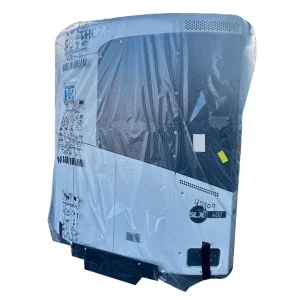
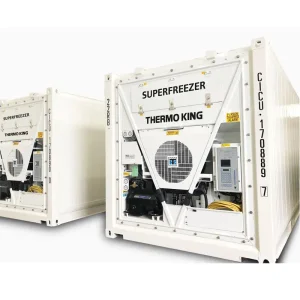
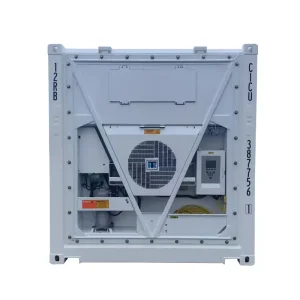
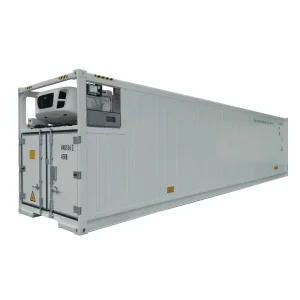
Operating across trans-continental rail routes such as the Belt and Road networks requires reinforced chassis durability. In high-cube reefer conversions (incorporating Carrier, Daikin, or Thermo King machinery), the elevated ceiling compensates for internal false flooring and airflow T-bars, allowing complete standard pallet stack heights without restricting cold return airflow.
Operating in dynamic North Sea or Gulf marine environments requires container architectures built beyond standard CSC conventions. Our ODM structural protocols can integrate pad eyes, specialized high-tensile corner posts, and ATEX Zone 1 / Zone 2 compliant explosion-proof air conditioning units meeting rigorous DNV-GL marine lifting safety standards.
Meeting international legal, environmental, and physical safety standards across major import destinations.
Every production batch undergoes strict quality gatekeeping verified through on-site Bureau Veritas (BV) inspectors. Structural tests verify transverse racking loads up to 150 kN, vertical stacking weights reaching 216,000 kg (allowing full 9-high loaded stack configuration on modern containerships), and watertight seal tests via intense ultrasonic perimeter scans.
Entering regions such as Australia (DAFF biosecurity compliance) or European ports requires total adherence to wood treatment regimens. We provide Timber Treatment Certification (TCT) using certified chemical impregnation or kiln-drying processes, accompanied by zero-VOC waterborne paint applications compliant with European REACH industrial coating limits.
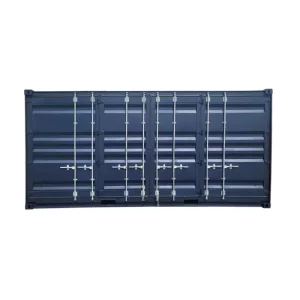
Operating directly out of the Tianjin FTA Pilot Area and Suzhou facilities, our engineering staff prepares tailor-made 3D CAD/CAM models for modified aperture frames, side-open bifolding portals, and bespoke bulkhead inserts. Finished inventory is transported via high-capacity rail or flatbed trucks directly to berth, streamlining export clearance.
How telemetry, low-carbon steel, and predictive structural tracking are reshaping ODM exports.
Next-generation 20ft HC boxes are being equipped at factory level with integrated sat-com nodes, interior volumetric ultrasonic sensors, and dynamic shock monitors embedded within the corner post cavity. This architecture turns passive dry shipping containers into autonomous logistics terminals capable of transmitting door access and payload security metrics in real time.
Ongoing research into micro-alloyed ultra-high-strength steel profiles allows our production team to reduce container tare weight by approximately 8.5% while maintaining equivalent yield strength (above 355 MPa). This weight reduction directly translates to increased payload margins and lower transport carbon emissions per ton-kilometer.
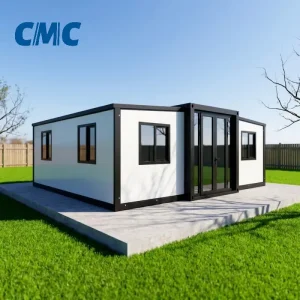
The transition toward sustainable manufacturing involves optimizing end-of-life repurposing. A 20ft High Cube container produced today with non-toxic zinc-rich coatings and standardized bolting patterns integrates smoothly into post-logistics structural deployments, including field data rooms, agricultural incubation chambers, and high-spec modular housing.
Addressing technical, commercial, operational, and custom fabrication inquiries.
Engineered options spanning refrigerated transits, bulk liquid transport, and specialized rail-sea logistics.