Pre-engineered standard configurations and modular freight systems ready for rapid export and global deployment.
Navigating structural disruptions, multi-modal efficiency, and industrial specialization in maritime container acquisition.
In modern intermodal freight management, procurement executives at global tier-one freight forwarding entities, offshore energy consortia, and cold-chain pharmaceutical conglomerates face unprecedented operational variables. Sourcing marine container sea units has evolved far beyond selecting standardized corrugated steel enclosures. Today's commercial mandate focuses on Total Cost of Ownership (TCO), aerodynamic tare weight reductions, cyclic stress survivability, and thermodynamic retention capabilities.
Procurement intent is segmented across three dominant macroeconomic use cases, each demanding tailored metallurgical and thermodynamic profiles:
Holistic container engineering matrix designed to overcome physical extremes and regulatory bottlenecks.
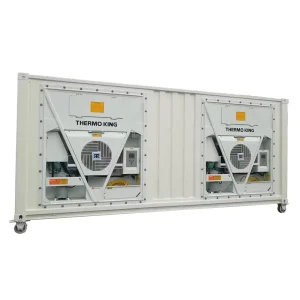
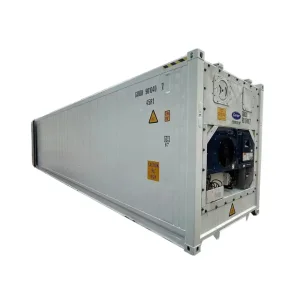
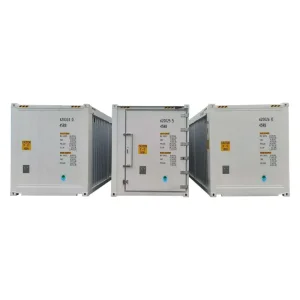
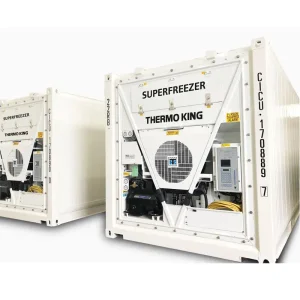
Equipped with industry-leading machinery from Carrier, Daikin, and Thermo King, our reefer containers maintain structural micro-environments from -35°C to +30°C. Engineered with food-grade stainless steel interior linings and cyclopetane-blown polyurethane foam insulation, they ensure zero ozone depletion risk and minimal heat gain coefficients during protracted equator passages.
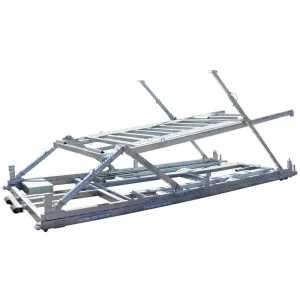
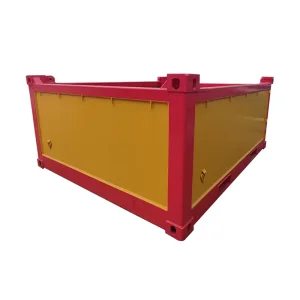
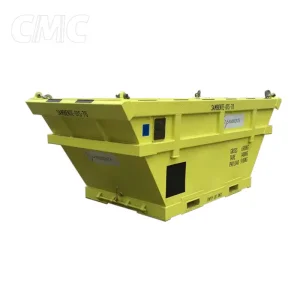
Designed for heavy dynamic offshore hoisting where vessel motions produce multi-axis gravitational shocks. Incorporating certified lifting pad-eyes, low-temperature micro-alloy steel plate (such as Corten-A or structural steel with Charpy V-notch impact testing at -20°C), our offshore tanks and cargo baskets prevent brittle fracture under sub-zero marine environments.
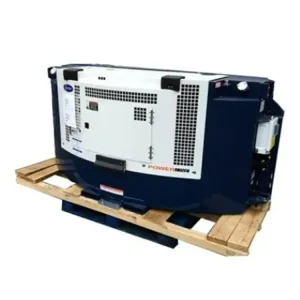
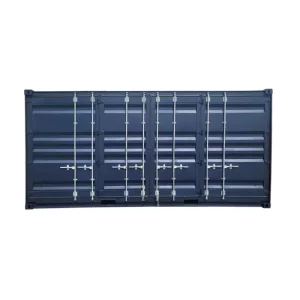
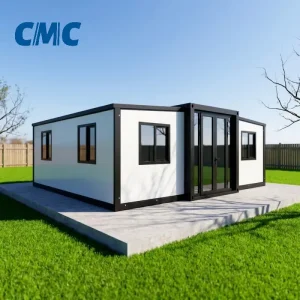
Transforming standardized intermodal maritime boxes into deployable operational facilities, mobile generator pods, and thermally insulated modular living blocks. Utilizing non-combustible rock wool insulated core panels, concealed conduits, and high-tensile corner castings, each unit guarantees turnkey structural stability for field deployment.
| Class Platform | Structural Metallurgy | Thermal / Load Capacity | Classification Compliance | Target Intermodal Application |
|---|---|---|---|---|
| Reefer Cold Chain (20ft/40ft HC) | SPA-H Corten Steel Outer / MGSS Inner | U-Factor < 0.38 W/(m²·K), -35°C to +30°C | BV, ISO 1496-2, TIR, ATP | Perishables, Deep-Sea Fisheries, Pharmaceuticals |
| Offshore Module (DNV Basket/Tank) | EN 10025 S355NL / Charpy impact tested | Dynamic Safe Working Load (SWL) up to 25T | DNVGL-ST-E271, ISO 10855, IMO 860 | Offshore Rigs, Subsea Works, Marine Extraction |
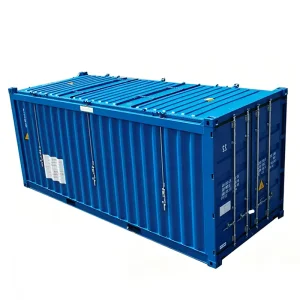
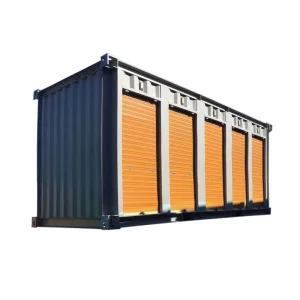
| Side-Door / Roll-Up Dry Freight | Corten-A Weather Resistant Anti-Corrosion | Payload up to 28,200 KG / ISO Floor Loading | ISO 1496-1, CSC, UIC 592 | Heavy Machinery, Palletized Goods, Job-Site Buffer |
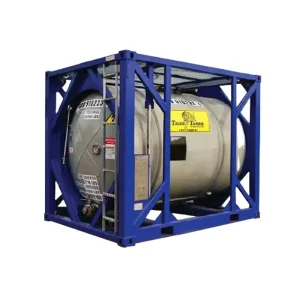
| Square Liquid Container Tanks | UN Portable Tank T-Grade / 316L Stainless | Internal Pressure rated to 4.0 Bar; steam heat | ASME VIII Div 1, IMDG, ADR/RID | Specialized Chemicals, Food Oils, Bulk Liquids |
Integrating artificial intelligence, IoT telematics, low-carbon coatings, and next-generation metallurgy into intermodal equipment.
The convergence of carbon reduction directives (IMO 2030/2050 targets) and AI-driven autonomous supply chain systems is reshaping container engineering. As a premier ODM exporter, CIMIC actively advances development vectors across three central engineering disciplines:
Future fleets feature factory-recessed IoT mesh modules powered by solar-harvesting door skins. Providing real-time satellite transmission of interior atmosphere (CO2, O2, Ethylene levels), dynamic shock impact loads, and door seal integrity without external battery dependencies.
Moving beyond zinc-rich epoxy primers, next-gen sea containers deploy waterborne graphene nanocomposite coatings. This elevates salt-spray endurance beyond 3,500 hours (ISO 12944 C5-M extreme marine environment) while slashing VOC emissions by over 75% during production.
Reefer platforms are transitioning toward micro-channel heat exchangers with natural refrigerants (such as R-744 CO2, with Global Warming Potential = 1). Paired with AI thermodynamic cycle algorithms, power consumption aboard container vessels drops by up to 34% per voyage.
Combining heavy-manufacturing infrastructure with direct littoral accessibility to compress intermodal delivery timelines.
Operating manufacturing facilities in Tianjin and Suzhou, CIMIC occupies a strategic vantage point within China’s major maritime trade corridors. Located roughly 100 kilometers from Tianjin Port—the maritime gateway to Northern China—finished units transition from precision assembly lines to shipboard stowage with minimal overland transit costs and near-zero transport vibration fatigue.
This geographic positioning directly safeguards buyers against port congestion delays, lowers inland repositioning fees, and empowers our dispatch teams to stage multi-container drops across European, Pan-American, African, and Oceanian trade lines without protracted dwell periods. Concurrently, our extensive port-side depots maintain inspected, seaworthy used container fleets (both dry and reefer) to immediately service budget-sensitive and emergency storage procurements.
Adhering to rigorous global statutory mandates, international type-testing, and customized OEM/ODM fabrication.
Every sea container design undergoes full-scale physical type-testing witnessed by classification surveyors (Bureau Veritas, DNV, ABS, or CCS). Verification encompasses stacking tests up to 216,000 KG, transverse and longitudinal racking, floor strength, and weather-tightness water deluge audits.
Containers are supplied with valid CSC (International Convention for Safe Containers) safety approval plates and Customs Seals certification under TIR conventions, guaranteeing seamless border clearance, rail interchange, and container ship loading across international territories.
From initial finite element analysis (FEA) computer stress simulations to structural detailing of specialized access openings, generator brackets, and interior tie-down tracks, our technical team works in close collaboration with clients' CAD teams to deliver project-specific modifications on schedule.
Clear, definitive guidance directly from our factory engineering group to streamline your sourcing decisions.
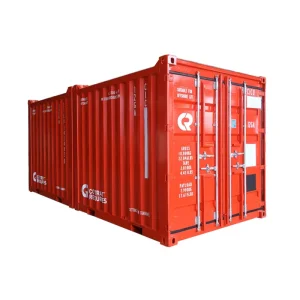
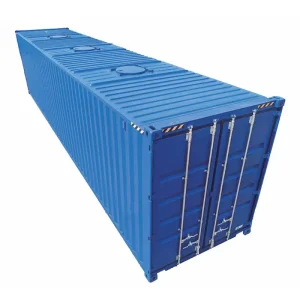
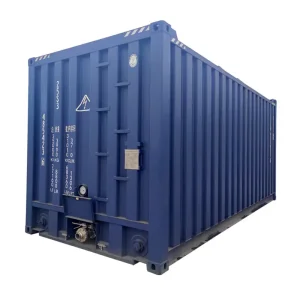
We supply standard ISO dimensions including 10ft, 20ft, 20ft High Cube, 40ft, and 40ft High Cube. In addition to conventional dry cargo and reefer boxes, our production lines fabricate side-access containers, roll-up shutter doors, open-top hard lids, offshore baskets, silt tanks, and modular accommodation structures engineered to specific client specifications.
We integrate factory-new, globally warranted cooling units from Daikin, Thermo King, and Carrier. Selecting between these platforms allows overseas logistics buyers to align incoming units with their regional maintenance service networks, local spare-part availability, and proprietary temperature-logging infrastructures.
CIMIC holds ISO 9001 quality management accreditations alongside Bureau Veritas (BV) classification approvals. For marine offshore exploration solutions, units are built to DNVGL-ST-E271 / EN 12079 / ISO 10855 specifications and delivered with complete classification trace dossiers, material test reports, and non-destructive examination (NDE) records.
Our engineering division engages in turnkey design processes: reviewing load requirements, conducting structural Finite Element Analysis (FEA), issuing 2D/3D approval drawings, constructing prototypes for type-testing, and executing scalable batch manufacturing with tailored door configurations, interior linings, tie-down tracks, and customer branding.
Production bases are situated in Tianjin and Suzhou, approximately 100 km from major sea terminals. In addition to direct plant dispatch, we maintain inspected stocks of second-hand and one-trip containers across key Chinese deep-water container ports to reduce lead times for emergency logistics projects.
Standard dry cargo, reefer, and stock used units can be procured in flexible batch sizes down to single-unit orders. Bespoke custom fabrications involving structural tooling or special classification approvals require an engineered minimum batch, which our technical sales team outlines alongside cost-optimized scaling proposals.
Specialty liquid containment, heavy offshore baskets, open-top haulers, and intermodal transport gear.