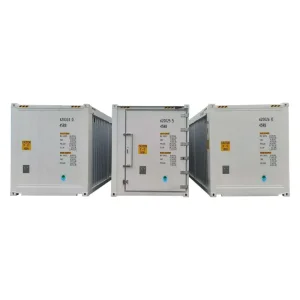
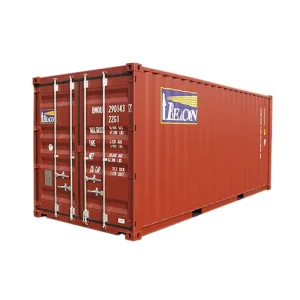
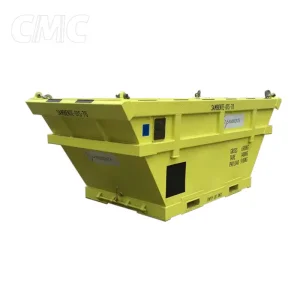
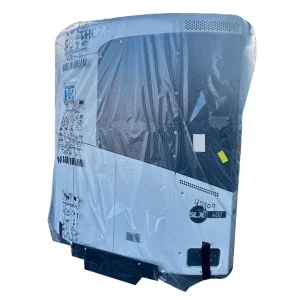
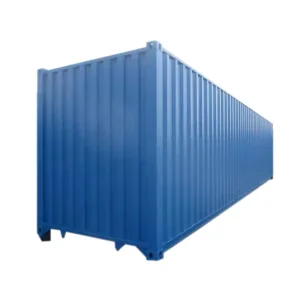
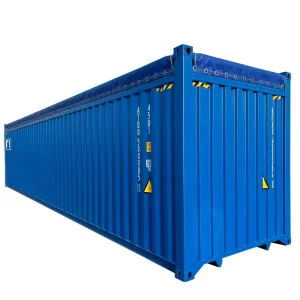
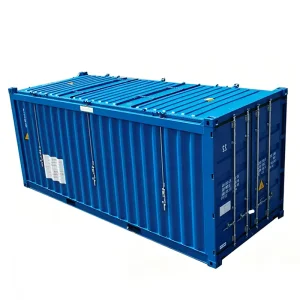
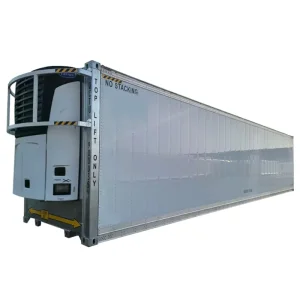
Explore standard, customized open-top, multi-door, and refrigerated dry intermodal containers direct from our automated manufacturing lines in Tianjin and Suzhou.
How macro supply chain disruptions, geopolitical maritime chokepoints, and decarbonization mandates are reshaping procurement frameworks for global container buyers.
In contemporary maritime and multimodal logistics, the standard dry shipping container is no longer merely a bulk packaging commoditization; it has evolved into a highly specialized, structural engineering asset. As global trade navigates prolonged rerouting via the Cape of Good Hope, cross-border Eurasian railway corridor growth, and strict International Maritime Organization (IMO) 2030/2050 decarbonization mandates, the operational demands placed on dry freight containers have magnified significantly. Fleet operators, global freight forwarders, equipment leasing enterprises, and military logistics units require standardized dimensional fidelity combined with tailored metallurgical resilience, extended life-cycle anticorrosion warranties, and customized dimensional profiles.
The traditional standard dry cargo container market is historically prone to cyclical volatility, driven by localized empty-container repositioning deficits and spot-rate volatility across Pacific and Transatlantic routes. To insulate balance sheets against these macro swings, tier-one international buyers are systematically migrating from standard off-the-shelf purchases toward Original Design Manufacturer (ODM) partnerships. An ODM dry container factory does not merely stamp out ISO 1496-1 boxes; it engineers purpose-built volumetric, structural, and access-specific solutions that minimize per-TEU tare weights, optimize structural payload, integrate specialized payload securing track systems, and seamlessly interface with secondary conversions such as Battery Energy Storage Systems (BESS) and mobile data modules.
By engineering high-yield Corten-A steel formulations into thinner corrugated profiles without compromising structural stiffness, ODM builds strip out unnecessary tare weight, increasing allowable payload by up to 450 kg per 40ft High Cube container over extended intermodal journeys.
Repeated shunting impacts along Trans-Eurasian rail corridors inflict severe cyclical fatigue upon bottom side rails and crossmembers. Our ODM engineering reinforces critical stress-concentration zones, lowering maintenance downtime across 15-year service horizons.
All structural steel and low-VOC waterborne primer systems comply with strict environmental disclosure protocols, enabling fleet managers and institutional shippers to substantiate Scope 3 greenhouse gas reductions in corporate sustainability filings.
A rigorous examination of metallurgy, automated submerged arc welding, marine-grade timber floor assemblies, and finite element analysis (FEA) load simulation.
At CIMIC, our ODM dry container fabrication begins with chemical composition control. Standard mild steel suffers severe oxidation in aggressive marine atmospheres (C5-M corrosion environments). Consequently, every critical structural component—including corner posts, front and rear sills, side headers, roof panels, and corrugated side strakes—is manufactured exclusively from high-tensile SPA-H / ASTM A588 atmospheric weathering steel (Corten-A). Upon atmospheric exposure, Corten-A forms a dense, passivated copper-phosphorus-chromium protective oxide layer that resists ongoing electrochemical deterioration, eliminating peeling and extending structural integrity even when external coatings incur scratches during handling.
Floor structures are engineered to exceed ISO 1496-1 floor strength requirements (minimum 7,260 kg axle loads for forklift operations). Depending on operational duty cycles, buyers can specify 28mm 19-ply genuine imported Apitong (Keruing) hardwood plywood, sustainable bamboo composite flooring, or slip-resistant galvanized checker plates. All wood products undergo dual vacuum-pressure chemical treatment with environmental Australian-standard insecticides and fungicides, certified for quarantine entry into Oceania and the Americas.
| Component Group | Standard ISO Dry Spec | CIMIC Heavy-Duty ODM Spec | Performance & Longevity Gain |
|---|---|---|---|
| Structural Framework | Q235 / Conventional Carbon Steel | High-Yield SPA-H Weathering Corten Steel | 4x Corrosion Resistance Enhanced fatigue resistance |
| Corner Post Stacking | 86,400 kg per post (ISO min) | Tested to 97,200 kg (216,000 kg 9-high load) | +12.5% Safety Margin Resists heavy wave-slam racking |
| Flooring System | 28mm Birch / Mixed Hardwood | 28mm Apitong Marine Plywood or Bamboo-Polymer | 7,260 kg Forklift Axle Australian Quarantine approved |
| Surface Protection | Solvent-borne Alkyd Paint System | Zinc-Rich Epoxy Primer + Polyurethane (Sa 2.5 blast) | 1,500+ Salt Spray Hours C5-M Marine Environment Rating |
| Gaskets & Hardware | Standard PVC Door Gaskets | Double-Lip EPDM Cold-Resilient (-40°C) Seals | 100% Watertight Resists UV degradation & frost bite |
From custom 3D parametric modeling to classification society type-testing and serial production.
Integration of specialized door cutouts, heavy load reinforcements, interior unistrut rails, and client-specific dimensions into SolidWorks/CATIA environments.
Finite element stress analysis validating 9-high stacking static loads, transverse racking (150 kN), and longitudinal shear forces prior to prototype tooling.
Robotic dual-arc submerged welding lines, computerized hydraulic panel stamping, and automatic shot-blasting guarantee sub-millimeter geometric tolerances.
Bureau Veritas (BV), ABS, or DNV surveyors witness destructive physical strain testing, air-leakage pressurization, and weathering weather-tightness verification.
How proximity to primary raw steel mills, deep-water port infrastructure, and integrated cluster logistics ensures unmatched cost-efficiency and delivery speeds.
China manufactures over 90% of the world’s intermodal container supply, a testament not merely to scale, but to an exceptionally compressed industrial cluster. CIMIC’s operational facilities are strategically located across two manufacturing and export epicenters: Tianjin (serving the northern Bohai Rim industrial zone) and Suzhou (anchored in the high-precision Yangtze River Delta). This dual-base geographic architecture provides critical risk mitigation, production surge capacity, and logistical flexibility for international clients.
Our plants reside within roughly 100 kilometers of the world's most active container transshipment ports: Tianjin Port (Northern China's largest maritime gateway) and the Port of Shanghai/Ningbo-Zhoushan. This proximity eliminates internal road haulage bottlenecks, drops domestic drayage costs, and permits just-in-time loading of finished dry containers directly onto designated mother vessels. Furthermore, situated directly inside the Bohai Rim steel corridor, we procure high-grade Corten hot-rolled coils directly from world-class domestic metallurgical giants (such as Baosteel and HBIS), securing raw material price stability and verifiable batch metallurgy certificates.
Our automated high-speed roll-forming lines operate with synchronized tact times of 5 minutes per standard container unit during peak mass-runs, enabling our factories to fulfill 500+ TEU fleet orders within strict 20-working-day contractual windows.
Within a 50-kilometer industrial radius, our factories tap specialized suppliers of ISO SCW480 cast steel corner castings, zinc-rich coating synthesis laboratories, high-grade EPDM extruded seals, and heavy hardware forging shops, eliminating international supply chain friction.
In addition to factory-gate newbuild dispatch, CIMIC manages ready-to-load container inventories across secondary Chinese coastal hubs (Qingdao, Ningbo, Shenzhen, Guangzhou). Buyers can coordinate single-trip export cabotage cargo, reducing transit capital drag.
How customized ODM dry container structures withstand extreme thermal gradients, heavy abrasive minerals, and high-frequency multi-modal transfer operations.
Standard carbon steel becomes dangerously brittle at temperatures below -20°C. For Siberian and Canadian rail logistics, CIMIC specifies low-temperature Charpy V-notch impact-tested steel (grade DH36/SPA-H) capable of maintaining structural ductility down to -40°C, matched with cryogenic EPDM door gaskets and anti-freeze locking cams.
Across Middle Eastern and Sub-Saharan routes, extreme solar radiation and fine sandstorm abrasion rapidly degrade conventional finishes. We apply solar-reflective ceramic topcoats that reduce internal radiant temperatures by up to 18°C, paired with sand-deflecting labyrinth labyrinth-style pressure relief vents.
For Australian, South American, and African mining corridors transport of iron ore concentrates, lithium spodumene, and copper cathodes, we engineer half-height hard-open-top dry units featuring 6mm Hardox wear plate floors, reinforced side rub rails, and customized heavy tipping hatch locks.
Commercial self-storage developers in Europe and North America demand multi-compartment dry conversions. We build factory-direct modular partitions, roll-up shutter doors, master-keyed high-security lockboxes, and roof condensation drip-guard insulation linings ready for revenue collection.
The energy transition requires rugged enclosures for lithium battery arrays. CIMIC provides custom ODM dry shell structures featuring integrated explosion-relief roofs, internal cable tray anchor channels, thermal barrier insulation panels, and automated fire suppression integration channels.
Finished passenger vehicles and electric vehicle batteries require specialized volumetric loading. Our double-door, car-carrier dry containers integrate floor recessed lashing rings (up to 4,000 kg proof test per point), adjustable internal deck tracks, and full-side access configurations.
Exploring the integration of IoT telematics, AI machine-vision quality assurance, and hydrogen-smelted green steel within CIMIC’s 2025–2030 manufacturing roadmap.
The shipping container is entering its fourth industrial revolution. As shipping lines digitize their box fleets to compete with integrated logistics giants, the demand for "Smart Dry Containers" is surging. CIMIC's advanced research division is at the forefront of embedding structural telemetry and sensor infrastructure directly during the base manufacturing phase. Rather than retrofitting after-market tracking devices, our ODM dry containers can be factory-fitted with flush-mounted, solar-harvesting satellite/NB-IoT micro-transponders located within the corrugated roof recess, completely sheltered from gantry spreader collisions.
Factory-integrated micro-sensors continuously log real-time geolocation, door intrusion events, acceleration/shock indices (detecting harsh handling or rail shunting impacts), and internal humidity levels without requiring external battery replacement over 10-year service cycles.
Our Tianjin automated lines now incorporate multi-camera AI machine vision that inspects 100% of robotic seam welds along bottom side rails and corner castings in real time, detecting micro-porosity, undercut, and spatter with precision exceeding human ultrasonic testing.
In step with global net-zero trajectories, CIMIC has established pilot supply arrangements with domestic electric arc furnace (EAF) and hydrogen-based direct reduced iron (DRI) steel producers, positioning our clients to source verified near-zero embodied carbon containers by 2026.
Comprehensive alignment with international maritime safety treaties, customs conventions, and strict third-party audit standards.
Every dry cargo container manufactured and exported by CIMIC leaves our factory yard bearing an embossed, stainless steel CSC (International Convention for Safe Containers) Safety Approval Plate. This document certifies structural compliance with the rigorous mechanical testing protocols stipulated by the International Maritime Organization. From stacking tests (exceeding 216,000 kg across the 4 corner post columns) and transverse racking tests to door header pull tests and floor strength verification, our containers carry unquestioned global interchangeability.
In addition to maritime CSC safety approvals, our engineering frameworks integrate the TIR (Customs Convention on the International Transport of Goods under Cover of TIR Carnets) requirements, guaranteeing that all hinges, door locking gear, handle keepers, and customs seal retainers cannot be disassembled without breaking customs seals. Our offshore dry cargo modules comply with DNV 2.7-1 / EN 12079 standards for dynamic marine crane lifting in open offshore waters, certified by Bureau Veritas (BV) and DNV.
Factory-audited quality management systems and prototype destructive witness testing with immediate Class certification issued for global maritime operations.
Rigorous structural calculations, material low-temperature impact testing, and dynamic lift lug finite analysis complying with DNV 2.7-1 / ISO 10855 rules.
Customs security seals and European railway UIC 592 intermodal structural approvals ensuring seamless cross-border transshipment without inspection delay.
Documented Quality and Environmental Management Systems governing coil inspection, automated robot calibration, paint VOC capture, and final dispatch.
In-depth responses from our senior container architects on minimum order quantities, metallurgical grades, custom dimensional adaptations, and port delivery logistics.
Advanced intermodal and industrial enclosures engineered for harsh offshore environments, bulk raw material handling, and temperature-controlled logistics.