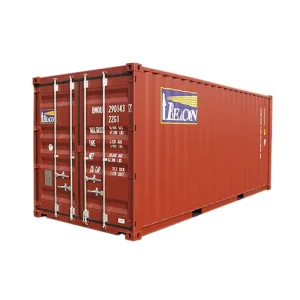
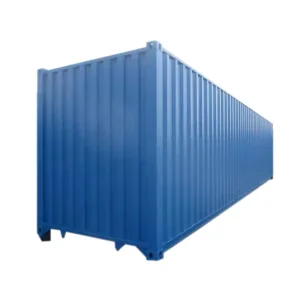
Direct export configurations compliant with BV, ISO 1496-1, and international CSC marine transit standards.
Navigating global multimodal dynamics, asset rotation, structural decarbonization, and fleet modernization.
The contemporary shipping ecosystem demands agile repositioning and high asset longevity. Over 90% of global manufactured trade relies on standardized ISO freight parameters. As commercial corridors encounter shifting port throughput and intermodal shifts, logistics providers prioritize durable Corten weathering steel structures capable of enduring extreme cyclic hydraulic loads and aggressive marine corrosion over multi-decade lifecycles.
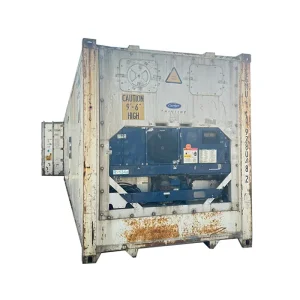
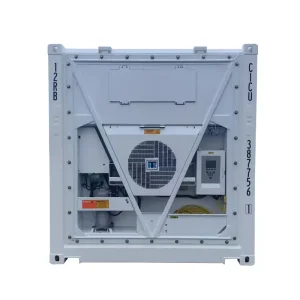
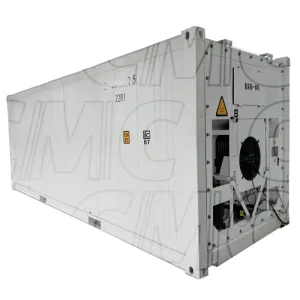
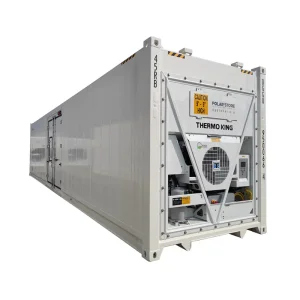
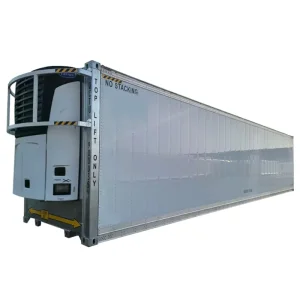
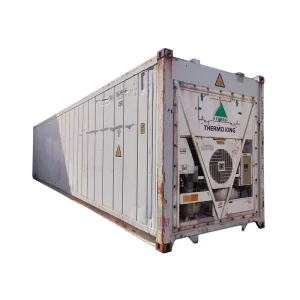
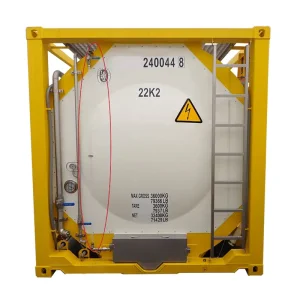
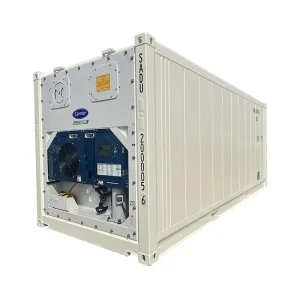
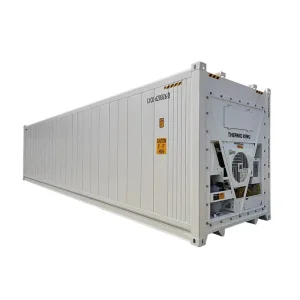
Active temperature management has evolved beyond basic perishable carriage. Global biopharmaceuticals, critical cold-chain proteins, and specialized industrial chemicals necessitate precise microclimate stability within ±0.25°C tolerances. Integrated solutions powered by Carrier, Thermo King, and Daikin machinery serve as mission-critical nodes in cold corridor preservation across sea-to-rail transitions.
Standard 20ft and 40ft dry boxes are increasingly tailored via ODM engineering into mobile battery energy storage systems (BESS), offshore heavy equipment containers, and roll-up quick-dispatch units. The structural ISO envelope provides the universal mechanical foundation for customized industrial equipment platforms globally.
Why leading global leasing cartels, rail syndicates, and offshore contractors centralize ODM procurement in China.
From primary SPA-H Corten steel rolling mills to automated zinc-rich epoxy paint application tunnels, our production ecosystem eliminates cross-regional supply bottlenecks. Raw inputs transition into finished, load-tested ISO structural modules within record cycle times.
Continuous robotic multi-axis submerged arc welding, computer-calibrated frame straightness tolerances, and closed-cell polyurethane high-pressure foamed sandwich assemblies ensure total thermal insulation, hermetic sealing, and air-tightness exceeding ISO 1496-2 requirements.
Manufacturing facilities strategically located in Tianjin and Suzhou—approximately 100 kilometers from primary international deep-water seaports—eliminate costly domestic transfer legs, facilitating direct vessel boarding for breakbulk or container-on-chassis arrangements.
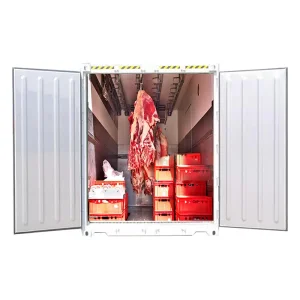
Our dedicated R&D engineering departments transform bespoke client requirements—such as side-access sliding doors, hanging meat rails, offshore dynamic lifting lugs, and built-in hybrid solar power plants—into certified, production-ready fabrication blueprints.
Real-world deployments demonstrating engineering resilience across adverse atmospheric and industrial operational conditions.
Preserving volatile fresh food chains over 35-day equatorial transits requires robust thermal barrier protection. Our OEM hanging meat reefer units integrate reinforced stainless steel roof beams capable of withstanding dynamic lateral motion while holding up to 28,000 kg of hanging livestock cargo under continuous -25°C stabilization.
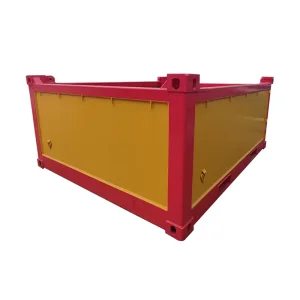
Rough sea environments produce severe dynamic hoist impact stresses. Certified under DNV 2.7-1 / EN 12079 criteria, our offshore dry and refrigerated basket units feature certified pad-eyes, low-temperature impact alloy metallurgy (-20°C charpy test compliant), and triple-layer marine polyurethane coats resisting saline degradation.
For resource extraction sites and agricultural distribution points lacking stable electrical grids, our Solar Smart Chain 220V Reefer Containers with intelligent DC inverter drives operate off photovoltaic arrays and battery buffers, drastically reducing diesel generator fuel dependency by up to 65%.
Key technological, regulatory, and environmental vectors directing container asset investments through 2030.
The traditional passive steel box has transformed into a connected edge IoT terminal. Modern high-cube reefer containers incorporate multi-constellation satellite telemetry, continuous humidity/oxygen tracking, cold-room gas regulation, and shock-detection accelerometer arrays. International cargo insurers and freight forwarders prioritize suppliers offering native hardware integration directly into side panels and machinery controller buses.
Regulatory mandates targeting halogenated fluorocarbons (F-gas regulations) drive the replacement of standard R134a/R404A systems with low-GWP hydrofluoroolefins (R513A) and carbon dioxide (R744 natural refrigerants). Simultaneously, zero-VOC waterborne coatings have superseded traditional solvent paints, satisfying demanding European ESG asset-acquisition standards.
Tier-1 shipping lines and multinational leasing trusts evaluate container purchases beyond base FOB factory quotes. Procurement formulas weigh door gasket durability, T-floor load deflection indices, corrosion-resistant door hinge bushings, and post-warranty spare parts availability across global destination depots to reduce lifecycle OPEX.
Technical details, operational specifications, testing criteria, and manufacturing schedules answered by our export engineers.
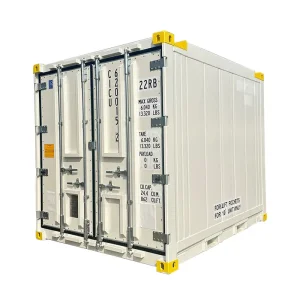
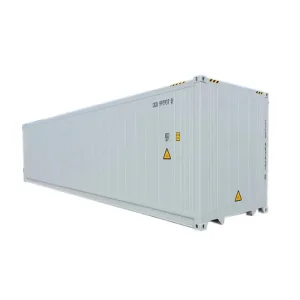
We manufacture and supply standard 10ft, 20ft, 20ft High Cube, 40ft, and 40ft High Cube containers across dry cargo, refrigerated, insulated, and offshore formats. In addition, customized dimensional configurations—including half-height mining skips, wide-body pallet containers, 45ft/48ft/53ft intermodal units, and side-opening varieties—are engineered per client operational and rail/road clearance guidelines.
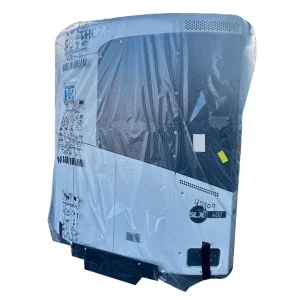
Our reefer product lines support all major international marine refrigeration brands, including Carrier Transicold (ThinLINE, PrimeLINE), Thermo King (Magnum Plus), and Daikin (LXE series). Buyers can specify machines matching their regional maintenance contractor networks, preferred digital communication protocols, and local spare parts availability.
All dry and reefer shipping equipment is certified under Bureau Veritas (BV) or China Classification Society (CCS) procedures, verified to comply fully with ISO 668, ISO 1496-1/2, CSC (International Convention for Safe Containers), TIR, and UIC requirements. Units intended for dynamic marine lifting satisfy DNV 2.7-1 / EN 12079 structural offshore certifications.
For standard dry and reefer boxes, inventory can be positioned for immediate sea dispatch within 7-14 days. Bespoke ODM orders (such as hanging meat conversions, side door cutouts, or solar DC integrations) undergo technical drawing sign-off within 5 business days, followed by typical mass fabrication lead times of 20 to 35 days depending on total volume. Batch minimums vary depending on mechanical complexity, with prototype evaluations supported.
Our industrial production hubs are positioned within approximately 100 kilometers of deep-water berths in Tianjin and Shanghai/Taicang maritime complexes. This geographic proximity minimizes drayage expenses, mitigates transit wear, enables immediate "one-way empty load" or "shipper owned container (SOC)" ocean bill-of-lading consolidation, and secures rapid vessel slot bookings.
Specialized reefer, heavy bulk, insulated, and dry units engineered for harsh intermodal environments.