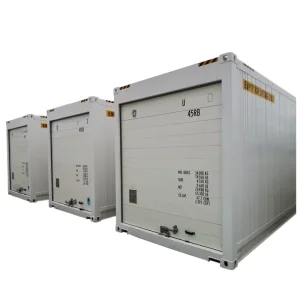
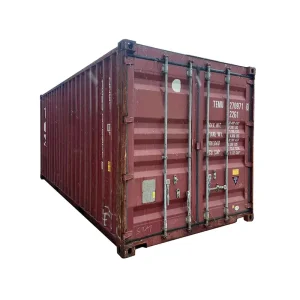
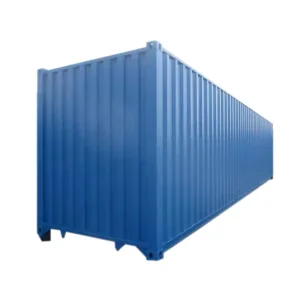
Explore certified mobile intermodal units engineered for rapid blast freezing, harsh logistical environments, and continuous high-thermal efficiency.


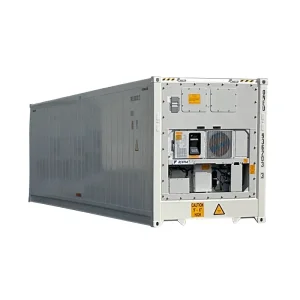

Analyzing shifting macro-trends in ultra-low cryogenic shipping, distributed cold-chain architectures, and international compliance mandates.
Traditional fixed cold storage facilities suffer from high capital expenditure and lengthy construction cycles. Global logistics enterprises are heavily adopting portable OEM blast freezer containers to build decentralized sorting, chilling, and storage hubs right at deep-sea landing harbors, agricultural harvest fields, and pharmaceutical production centers.
Standard reefer boxes operating between -20°C and -25°C fail to preserve the cellular integrity of premium sashimi-grade tuna, biological plasma, and engineered pharmaceuticals. High-performance blast freezers reaching -40°C down to -70°C minimize ice crystal nucleation, effectively eliminating cellular rupture and drip loss during transatlantic transit.
Modern procurement demands integrated cloud telematics. Modern ODM configurations feature variable-speed scroll compressors, automated dual-stage defrost algorithms, and live micro-climate sensor streaming via satellite/cellular networks, delivering verified chain-of-custody data for regulatory audits.
Leveraging China's comprehensive industrial supply cluster to deliver cost-optimized, marine-grade blast freezers engineered to custom procurement specifications.
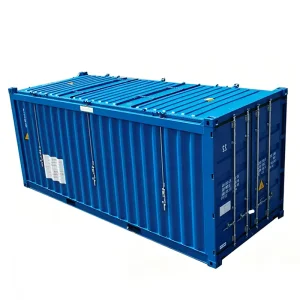
Fabricated using high-yield SPA-H Corten atmospheric corrosion-resistant steel. Automated robotic welding lines deliver continuous, air-tight seam seals that eliminate thermal bridges and withstand extreme multi-axis cyclic stresses encountered at sea.
Utilizing high-density, closed-cell polyurethane foam (45-50 kg/m³) with cyclopentane blowing agents. High-pressure injection tooling ensures uniform core density across ceiling, sidewalls, and flooring without air pockets, maximizing R-value retention over decades.
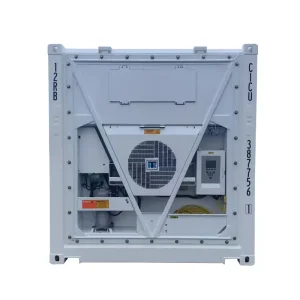
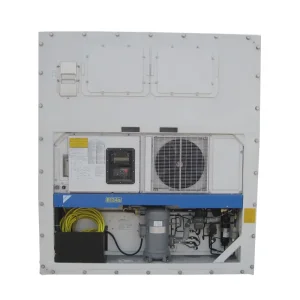
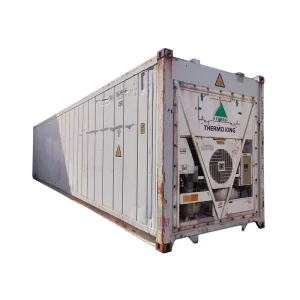
Turnkey compatibility with leading refrigeration powerhouses including Thermo King, Daikin, and Carrier. Clients can designate custom evaporator coil setups, high-static evaporator fans, explosion-proof electrical systems, and emergency egress safety hardware.
Situated in key logistics clusters in Tianjin and Suzhou, roughly 100 kilometers from national deep-water container berths. This proximity ensures immediate vessel booking, reduced inland freight costs, and expedited pre-trip inspection (PTI) testing before dispatch.
Engineered flexibility designed to excel across demanding environments: from offshore marine platforms to remote biological supply chains.
Immediate onboard or shore-side flash freezing of seafood (tuna, salmon, king crab, and squid). Reaching core temperatures of -35°C within hours stops enzymatic degradation, lock-in proteins, and guarantees sashimi-grade market valuation upon dock arrival.
Strict cold-chain logistics for biological compounds, enzymes, mRNA-based vaccines, and high-purity medical reagents. Containers provide calibrated multi-point thermal redundancy, battery-backed temperature logging, and dual-system backup refrigeration modules.
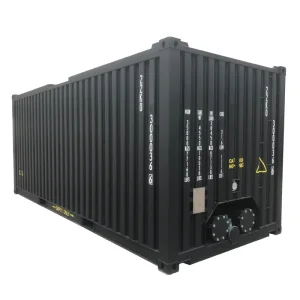
DNV 2.7-1 / EN 12079 certified offshore blast and walk-in cold rooms tailored for oil drilling platforms, floating production systems (FPSO), and remote arctic or desert operations where extreme ambient temperatures (-40°C to +55°C) pose harsh operational challenges.
Standardizing critical parameters before submitting an Request for Quotation (RFQ) to align structural capabilities with operational workflows.
Blast freezing demands high static pressure airflow. Choose between specialized heavy-duty T-bar flooring (optimizing air circulation from beneath the pallet cargo) or heavy-gauge flat anti-slip aluminum floors with integrated drainage designed for roll-in trolley and pallet jack operations.
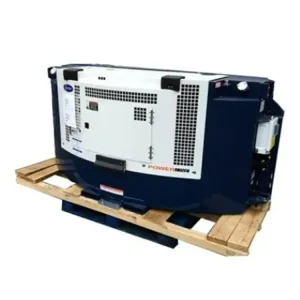
Specify local site voltage: 380V/440V 3-phase 50/60Hz. If intended for intermodal transport without dock power, match the container with an integrated clip-on or underslung diesel generator unit (genset) configured for continuous 72-hour autonomous high-load freezing cycles.
Standard configurations feature food-grade SUS 304 or SUS 316 stainless steel interior walls and ceilings, resistant to corrosion from organic acids, cleaning sanitizers, and marine saline environments, ensuring zero product contamination and easy wash-down.
Comprehensive engineering insights addressing design parameters, cold chain integrity, operational costs, and OEM customization capabilities.
A standard reefer container is engineered solely to maintain pre-chilled or pre-frozen cargo temperatures (typically -20°C to +15°C) across ocean transit. In contrast, an industrial blast freezer container utilizes oversized refrigeration compressors, high-velocity evaporator fans, and dual-stage throttling to rapidly pull down warm cargo (e.g., from +25°C to -35°C) within hours, effectively locking in moisture and preventing cell breakdown.
Yes. While standard global units operate on industrial 3-phase 380V/440V/460V 50/60Hz supplies, our ODM manufacturing processes can accommodate integrated step-up/step-down transformers, variable-frequency drives (VFD), or custom power-inlet systems configured to match specific local utility grids or dedicated diesel generators.
All custom OEM/ODM blast freezer containers are manufactured strictly in accordance with ISO 1496-2 standards, CSC (International Convention for Safe Containers) safety approval plates, and certified by international classification societies such as Bureau Veritas (BV) and China Classification Society (CCS). Units destined for offshore drilling operations are built to stringent DNV 2.7-1 / EN 12079 structural standards.
Our container boxes utilize high-pressure injected polyurethane foam insulation with a thermal conductivity rating (K-factor) as low as 0.24 W/m²K. Coupled with high-grade multi-lip EPDM silicone door gaskets and stainless steel thermal barrier breaks, the container experiences less than 1.5°C temperature rise per 12 hours during unexpected power outages under 35°C ambient conditions.
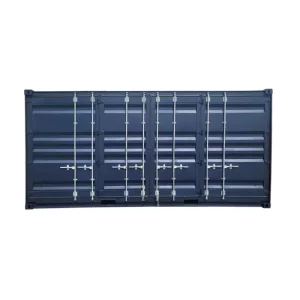
For standard catalog configurations, dispatch from port-side holding yards can occur within 7 to 14 days. For bespoke engineering projects involving custom door placements, side-loading access, partition bulkheads, or specialized cryogenic machinery integration, production cycles range between 4 to 6 weeks, followed by complete Pre-Trip Inspection (PTI) and thermal testing.
Safety is critical in ultra-low cryogenic environments. All units feature internal luminous emergency door release handles, audible/visual man-trapped alarms with external sirens, heated door frames to prevent seal freezing, explosion-proof LED lighting, and internal escape switches independent of external locking systems.
Complete containerized industrial solutions engineered for multi-modal logistics, marine operations, and critical storage requirements.