Direct factory supply of certified open configurations, refrigerated engineering units, and heavy-duty offshore transport equipment.


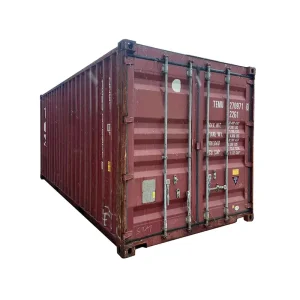
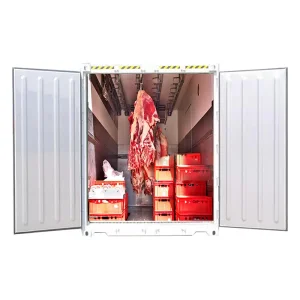

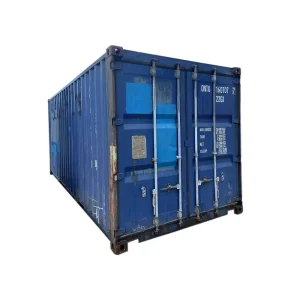
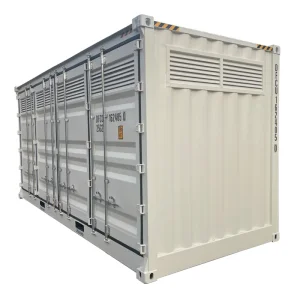
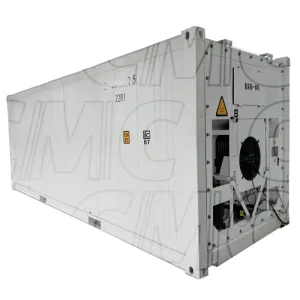
Intermodal transport operations are shifting rapidly away from standard closed cubicles towards dynamic cargo configurations capable of handling heavy machinery, rapid site loading, and specialized energy storage modules.
Traditional end-door containers impose severe limits on oversized industrial automation parts, steel coils, and structural glass. Modern Open Top and Side Open architectures permit rapid overhead gantry craning and horizontal side-loading, cutting port dwell time by up to 58%.
Utility-scale battery energy storage systems (BESS) and hydrogen fuel cell infrastructure require side-open service bays and removable hard tops for mechanical maintenance. Custom open container shells serve as pre-engineered structural envelopes for the green transition.
Asset owners are increasingly demanding multimodal assets that transition seamlessly from ocean transport to on-site secure storage. Hard open-top and bi-fold side access containers maintain structural rigidity under CSC 30-ton test parameters while providing ground-level utility.
Examining real-world deployments where bespoke ODM open container frameworks resolve intricate technical and geographical hurdles across worldwide territories.
DNV 2.7-1 / EN 12079 certified half-height open basket containers designed for drilling pipe transit, subsea valves, and offshore supply chain logistics capable of surviving dynamic deep-sea wave action and -20°C brittle fracture points.
Reinforced heavy-bulk ore carriers with high-tensile steel bottoms engineered for top-loading via industrial excavators and fast side discharge, handling high-density iron ores, bauxite, and lithium spodumene concentrates without structural flexing.
Hybrid solar-powered side-opening reefer stations providing rapid rural deployment. These decentralized cold hubs run independently on PV microgrids, eliminating agricultural spoilage before produce enters multimodal road corridors.
Roll-up door and full side-access containers deployed for inner-city construction staging where sidewalk clearances prevent rear cargo door swing-outs, supporting fast curbside material offloading directly to job sites.
Combining world-class metallurgical capabilities, deep coastal integration, and robotic automation to deliver tailor-made open container products within compressed manufacturing lead times.
Direct supply contracts with domestic primary steel manufacturers ensure high-yield Corten-A plate availability. Structural frames withstand 192-hour salt-fog corrosion tests via automated zinc-rich epoxy multi-stage blast and paint application lines.
6-axis articulated robotic welding fixtures control thermal distortion across prolonged 40ft and 45ft structural chassis rails, achieving dimensional alignment within ±1.5mm for frictionless sliding curtains, swing doors, and removable roof headers.
With manufacturing facilities positioned less than 100 kilometers from the Port of Tianjin and key maritime clusters along the Yangtze River corridor, container assets roll off finishing lines directly onto ocean berths, avoiding inland logistics surcharges.
Continuous evolution toward smart monitoring, ultra-light structural composites, and circular recycling mandates shaping the future of global cargo containment.
Integrated door sensor arrays, ambient humidity metrics, solar load monitors, and GPS asset geofencing feeding operational diagnostics into enterprise supply chain clouds via low-power 5G/NB-IoT.
Carbon-fiber reinforced roof beams and bamboo-composite sandwich flooring replacing standard hardwood, reducing tare weight by 14% to maximize cargo payloads and lower ocean bunker fuel burn.
Computational fluid dynamics (CFD) designed tarpaulins and hard-top fairings engineered to minimize drag coefficients during double-stack rail freight and high-speed highway haulage.
Hydrogen-reduction green steel manufacturing inputs coupled with solvent-free waterborne acrylic coatings, targeting total carbon neutral cradle-to-gate certification for global shippers.
Navigating global border rules, customs inspections, and maritime safety certifications through complete factory-stamped technical validation.
Every newly fabricated open container undergoes rigorous hydrostatic racking, roof load testing, floor strength assessments, and wall deflection checks overseen by Bureau Veritas (BV) or Lloyd's Register surveyors.
Offshore open baskets and half-height carriers undergo Charpy V-notch impact testing at -20°C on all primary structural steels, accompanied by full non-destructive testing (NDT) reports for critical padeye welds.
Active reefer units and custom open power containers feature configurable dual-voltage electrical systems (220V/380V/440V 3-Phase 50/60Hz) certified to CE, UL, and Australian AS/NZS electrical wiring safety codes.
Explore our extended series of specialized cryogenic, rail-optimized, car-carrier, and nested storage container solutions.
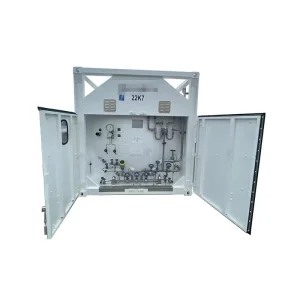
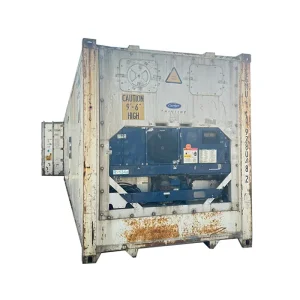
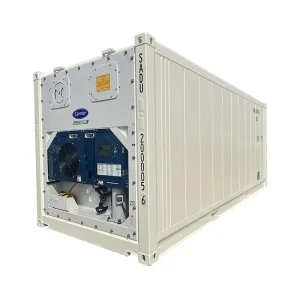
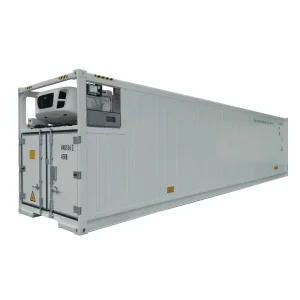
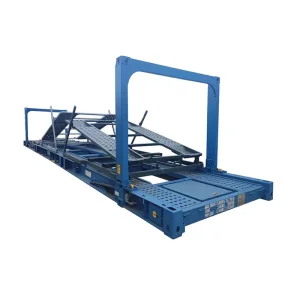
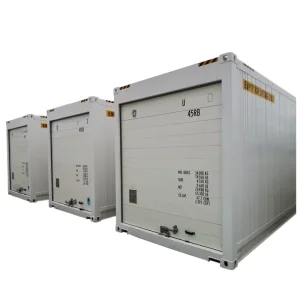
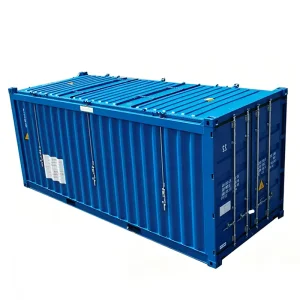

Comprehensive engineering insights regarding dimensions, certifications, loading parameters, and international dispatch requirements.
Standard containers rely on side corrugated sheets to resist racking and bending forces. When replacing side walls with bi-fold doors or open arches, our engineering team integrates oversized heavy-duty Corten steel hollow sections into top headers and bottom side sills. Corner posts and casting junctions are reinforced to sustain full ISO 9-high stacking test loads under loaded conditions.
Soft Open Top models utilize a removable TIR-approved PVC tarpaulin supported by curved steel roof bows, minimizing tare weight and simplifying overhead crane entry for irregular equipment. Hard Open Top units feature a rigid, removable Corten steel roof panel equipped with corner castings, allowing standard spreader cranes to handle the roof while offering superior security and weather resistance against extreme marine salt spray.
Yes. Although non-standard heights or widths require specialized project classification, all custom-dimensioned containers manufactured at our facilities undergo design appraisal and physical prototype testing by classification societies such as Bureau Veritas (BV) or DNV. Upon completion of stacking, racking, and floor shear tests, each container receives an individual CSC safety approval plate for commercial sea freight.
For custom small-footprint storage containers (such as 4ft, 5ft, 6ft, 8ft, and 10ft units), separate international repositioning costs can be prohibitive. We engineer modular sets with dimensioned nesting tolerances, enabling multiple smaller units to interlock securely inside a primary 20ft or 40ft High Cube container shell. This allows four to six units to be shipped internationally under a single container freight rate.
