Standardized, certified, and engineered for high-throughput intermodal networks. Inspect our verified transport and storage fleet below.
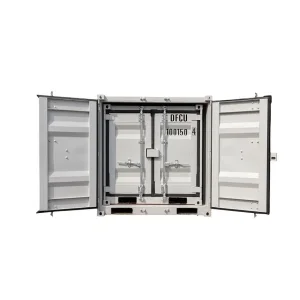
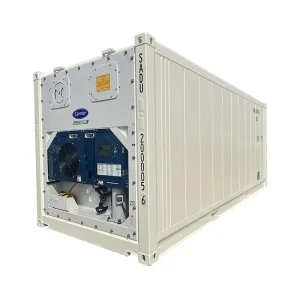
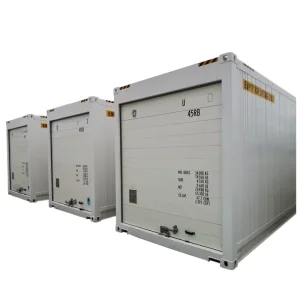

The international container transport sector is undergoing an aggressive structural shift driven by dynamic supply chain relocations, multimodal infrastructure integration, and elevated ESG compliance thresholds.
Global supply chains are increasingly shifting from monolithic point-to-point routes toward distributed hub-and-spoke networks. This structural pivot demands robust 20ft, 40ft, and nested intermediate containers capable of withstanding rough handling across ocean vessels, inland rail corridors, and chassis distribution without payload degradation.
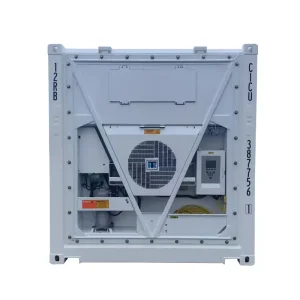
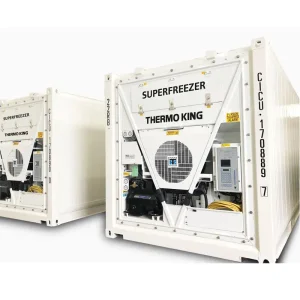
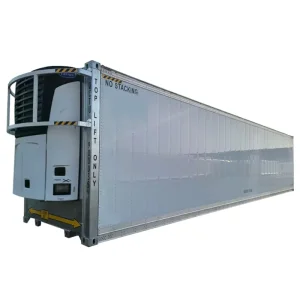
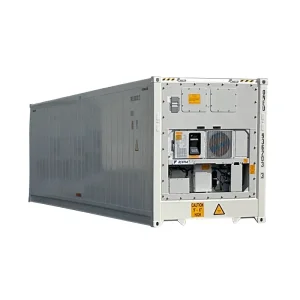
Global food security mandates, pharmaceutical biologics distribution, and harsh environmental swings demand precision thermal resilience. Exporters are phasing out sub-spec insulation in favor of high-efficiency polyisocyanurate (PIR) cores paired with Carrier, Daikin, or Thermo King machinery running environmentally benign low-GWP refrigerants.
Marine logistics in extraction zones, offshore substations, and severe maritime transit require compliance beyond standard ISO 1496-1 testing. Modern marine operators demand certified DNV 2.7-1 / EN 12079 structural framing, specialized padeyes, and multi-coat zinc-rich epoxy paint systems that resist accelerated saltwater galvanic corrosion.
Container engineering is not merely an assembly process—it is a heavy-industrial metallurgy and robotics discipline where vertical regional clusters deliver unassailable cost and throughput efficiencies.
Direct pipeline agreements with premier domestic steel mills guarantee steady supplies of high-grade atmospheric corrosion-resistant SPA-H Corten steel, mitigating raw material volatility and maximizing weld integrity across all load-bearing structural members.
Continuous robotic tandem seam welding, automated plasma panel cutters, and multi-stage shot-blasting guarantee standard deviation tolerances within millimeter thresholds, outperforming manual fabrication shops in mechanical endurance.
Production pipelines implement zinc-silicate shop primers, automated two-component epoxy mid-coats, and polyurethane top finishes in clean-room conditions, delivering total Dry Film Thickness (DFT) calibrated to resist 15-year marine exposure.
Manufacturing facilities strategically stationed in industrial zones like Tianjin and Suzhou—less than 100 kilometers from global deepwater container terminals—drastically compress local drayage costs and lead times to initial ocean departure.
Compare mechanical envelopes, thermal transfer metrics, and deployment categories across our comprehensive manufacturing catalog.
| Container Classification | Structural Substrate | Thermal / Volumetric Metrics | Global Standard Certifications | Strategic Logistics Footprint |
|---|---|---|---|---|
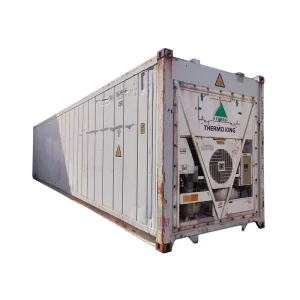
| Reefer High-Cube (20ft/40ft) | SPA-H Corten + SS304 Interior Panels | -30°C to +30°C Active Cooling / PIR Core | ISO 1496-2, BV, TIR, ATP | Seafood, biologicals, international fresh agro-freight |
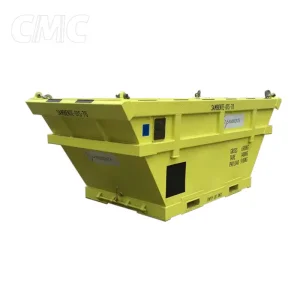
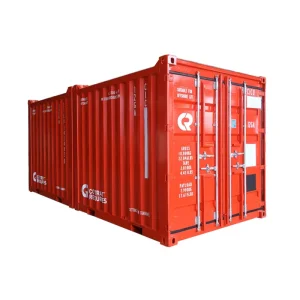
| Offshore Rig Containers | Heavy-Gauge Structural Mild Steel + Padeyes | Reinforced floors for concentrated static loads | DNV 2.7-1 / EN 12079, IMO MSC/Circ.860 | Subsea extraction gear, drilling logistics, open sea lifting |
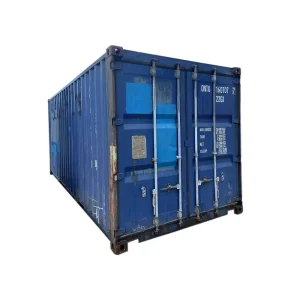
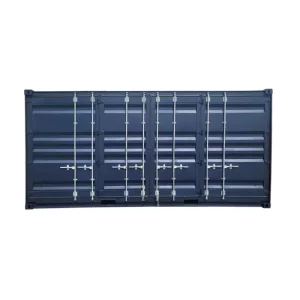
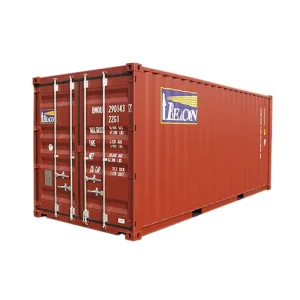
| Multi-Door Dry Shipping Box | High-Tensile Corrugated Corten Steel | Up to 76.4 m³ payload space; dual/side openings | ISO 1496-1, CSC, UIC, TIR | Last-mile direct forklift access, multimodal road/rail haulage |
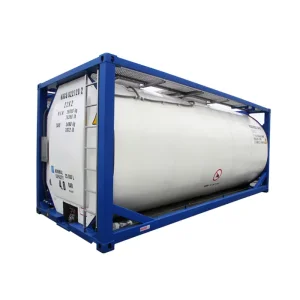
| ISO Chemical / Liquid Tanks | 316L Stainless Steel Shell + Rockwool Insulation | 14,000L - 26,000L Capacity; Steam / Glycol Heat | ASME U-Stamp, IMDG T11/T14, ADR/RID | Industrial hazardous chemicals, bulk spirits, food oils |
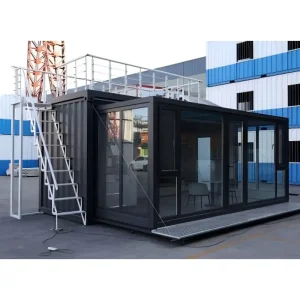
| Nested Mini Shipping Containers | 2.0mm Corten Corrugation + Bamboo Wood Floors | Nested stack volume footprint: 4ft to 12ft modularity | ISO dimensions standard, CSC certified batches | Remote mining, construction equipment lockers, urban self-storage |
From extreme sub-zero permafrost logistics to high-humidity offshore maritime extraction, our containers are architected to withstand precise environmental stressors.
Navigating cross-border northern railways demands steel alloys with exceptional notch toughness at -40°C. Standard carbon steel undergoes brittle transitions under such loads. Our low-temperature Corten grades and specialized rubber door gasket seals prevent micro-fracturing and maintain air-tight thermal isolation despite heavy vibration and extreme freeze-thaw cycles.
Tropical hubs across Southeast Asia, West Africa, and Central America face continuous solar radiation coupled with 95%+ relative humidity. Deploying containers in these settings requires heavy UV-reflective exterior finishes, vapor-sealed interior sub-flooring, and passive cross-flow ventilation ducts to eliminate condensation buildup ("container rain") that spoils dry bulk goods.
Open sea vessel-to-rig transfers expose hardware to severe multi-directional dynamic loading and aggressive marine spray. Our DNV-certified structural units incorporate integrated four-point wire rope slings, forged padeyes tested for dynamic offshore lift vectors, and offshore marine coatings rated for extreme C5-M corrosive atmospheric categories.
How enterprise buyers are adapting equipment procurement strategies for carbon disclosure mandates, IoT visibility, and total cost of ownership (TCO) optimization.
Enterprises now specify integrated smart sensors that track real-time container position, door-opening alerts, reefer compressor operation, internal temperature, and atmospheric pressure, streaming continuous telemetry directly into enterprise ERP systems.
Global shipping lines require strict ESG accounting throughout equipment fabrication. Transitioning from solvent-based paints to eco-friendly waterborne polyurethanes, along with recycled structural steel sourcing, provides the Scope 3 emission reductions corporate sustainability audits demand.
Procurement teams increasingly eliminate intermediate converters by contracting custom internal racking, roll-up shutter access, specialized explosion-proof lighting, and power-grid hookups directly with the original manufacturing facility.
Rather than evaluating upfront unit price alone, major leasing consortia and logistics operators calculate multi-year asset lifespans based on steel quality, robotic weld repeatability, floor load certifications, and global spare parts networks.
Discover specialized equipment engineered to balance high payload capacities with stringent international safety and intermodal handling certifications.
Detailed answers addressing engineering feasibility, certification compliance, raw material standards, and export logistics workflows.
Every engineering run undergoes ISO 1496 compliance stress testing, including stacking loads up to 216,000 kg, dynamic floor transverse testing via loaded forklifts, side/end-wall transverse deflection tests, and continuous water-spray tightness checks under 100 kPa pressure. For offshore designs, individual padeye pull-tests and weld MPI/NDT inspections are conducted under Bureau Veritas (BV) or DNV supervision.
We build our structural frames using SPA-H Corten atmospheric corrosion-resistant steel, characterized by copper, chromium, and nickel micro-alloying. When exposed to ocean moisture, Corten generates an adherent oxide patina that insulates underlying base steel from galvanic pitting. For extreme offshore or chemical usage, cold-rolled SS304 or 316L stainless steel linings are integrated.
Custom dimensions follow a rigorous 4-step engineering review: First, structural load simulations evaluate stress points under lifting conditions. Second, 2D/3D CAD models are issued for client sign-off. Third, factory tooling creates the custom corner castings and frame components. Finally, a physical prototype undergoes third-party classification checks to secure new CSC/TIR plates before full assembly line production begins.
Units are dispatched directly from our manufacturing bases in Tianjin and Suzhou to maritime terminals. For high-volume fleet rollouts, reefers can be shipped as "One-Way Cargo" boxes loaded with export goods, eliminating deadweight repositioning freight costs. Active refrigeration systems (Carrier, Daikin, Thermo King) undergo multi-point pre-trip inspections (PTI) prior to port staging.
Each individual offshore container build is delivered with a comprehensive technical dossier: DNV 2.7-1 / EN 12079 design type approval certificate, mill test reports (MTR) verifying raw steel chemistry, non-destructive testing (NDT) reports for structural welds, lifting sling proof test certificates, and documented classification society inspection sign-offs.
Standard transport of empty secondary containers (such as 4ft, 6ft, or 8ft modules) creates excessive dead-freight expenses. Our nested container systems are engineered so smaller volumes pack sequentially inside a certified parent container, allowing standard ISO 20ft or 40ft vessel/rail movements that save up to 75% on empty repositioning freight costs.
