Engineered for multi-modal logistics, dynamic offshore lifting, and mission-critical chilled storage. Explore verified specifications and request immediate export pricing schedules.
The global intermodal transportation ecosystem is undergoing an architectural transformation driven by decarbonization, automated logistics corridors, and extreme environment demands.
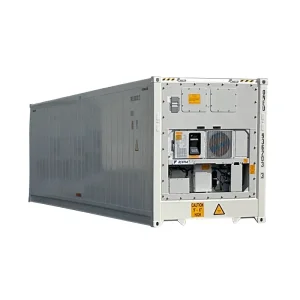
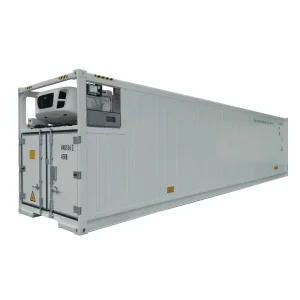
Modern reefer fleets operate beyond passive containment. Integrated sensor suites monitor temperature deviations, internal atmosphere (O2/CO2 levels), vibration, and real-time GPS coordinates directly via satellite uplink, mitigating high-value pharmaceutical and perishable cargo risk.
Stringent IMO decarbonization initiatives have accelerated adoption of ultra-high-strength weathering corten steels (SPA-H) combined with low-VOC waterborne zinc-rich coatings. Structural mass reductions yield optimized container tare weights, dropping fuel consumption per Twenty-Foot Equivalent Unit (TEU).
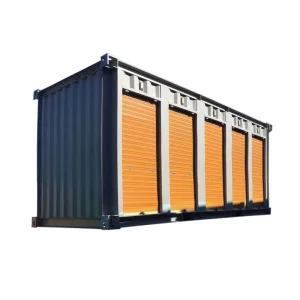
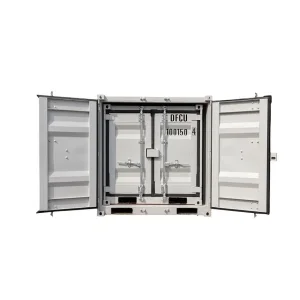
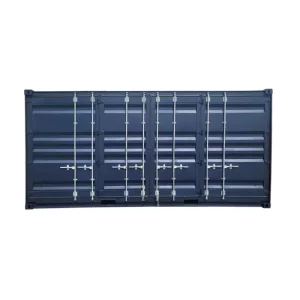
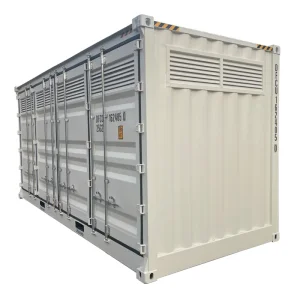
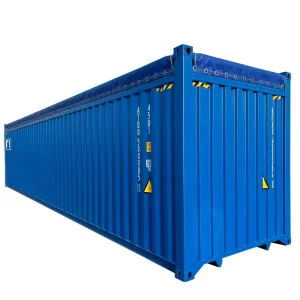
Standard dry cargo containers are increasingly supplemented by project-specific engineering: bulk bitumen containers with heating tubes, open-top soft tarpaulin designs for overhead crane payloads, and multi-door configurations that streamline intra-hub deconsolidation cycles.
Operating production centers in Tianjin and Suzhou within 100 kilometers of deep-water port gateways, CIMIC integrates industrial robotics, vertical supply loops, and rigorous international quality standards.
Continuous robotic submerged arc welding on side corrugated panels and structural corner castings guarantees air-tight, water-tight marine envelope seals resistant to dynamic twist shear stresses.
Every batch adheres strictly to ISO 1496/1 specifications and comes fully certified with Bureau Veritas (BV), ABS, or DNV classification society approvals for CSC plate compliance.
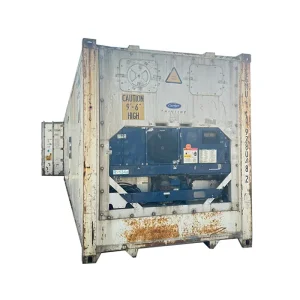
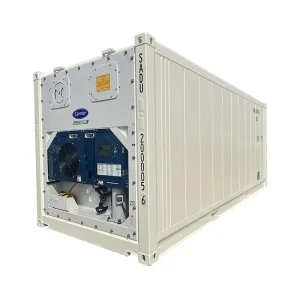
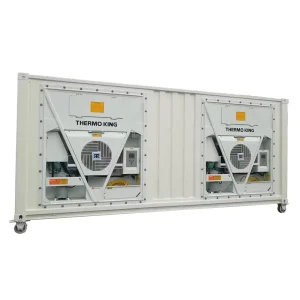
Reefer containers incorporate industry-benchmark power plants: Carrier Transicold, Thermo King, and Daikin. Localized service agent compatibility ensures low global maintenance downtime.
Situated in proximity to Northern China’s largest maritime hub (Tianjin Port), container positioning transit cycles are compressed, saving drayage surcharges for volume importers.
A technical engineering breakdown comparing structural materials, operating temperature capabilities, and international structural certifications for industrial container purchasers.
| Classification Category | Structural Metallurgy | Operational Parameters | International Standard | Typical Logistics Payload |
|---|---|---|---|---|
| ISO Dry Cargo (20ft / 40ft HC) | SPA-H Corten Anti-Corrosion Steel | Ambient (-40°C to +70°C) | ISO 1496-1, CSC, UIC | Manufactured Goods, Consumer Cargo, Dry Bulk |
| Refrigerated Units (Reefer) | Stainless 304 Inner / Muffler Aluminum | Active -30°C to +30°C (Deep Freeze -60°C) | ATP, ISO 1496-2, BV, CE | Perishable Agri-Products, Seafood, Biologics |
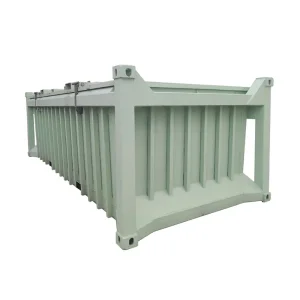
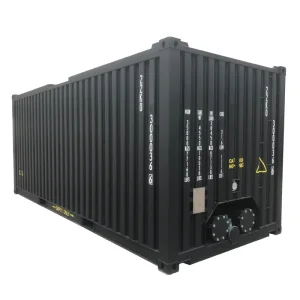
| Offshore Containers | Reinforced High-Yield Structural Steel | Dynamic Lifting, Harsh Marine Salinity | DNV GL 2.7-1 / EN 12079 | Subsea Mining, Rig Equipment, Drill Pipes |
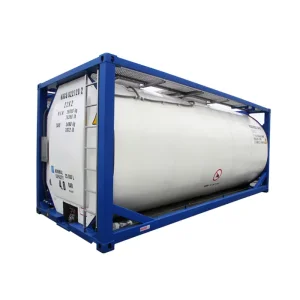
| ISO Tank Container | 316L Stainless Steel Pressure Vessel | Steam / Electric Heating Available | ASME, IMDG T11/T14, ADR/RID | Food Grade Liquids, Industrial Chemicals, Bitumen |
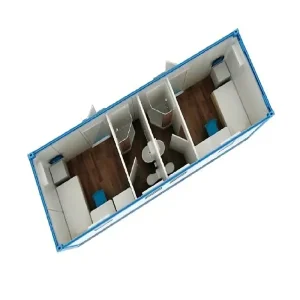
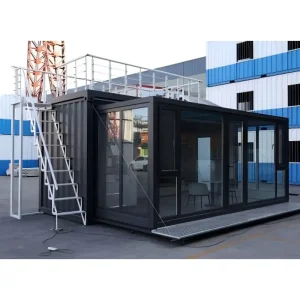
| Modular Living Units | Light Steel Frame + Fireproof Sandwich Panel | Insulated Residential Acoustics | CE, National Building Standard | Site Accommodations, Clinics, Portable Camps |
Across continental freight corridors, agricultural centers, and offshore exploration clusters, our container units fulfill critical operational functions.
Reinforced end-frames and heavy bottom sills engineered specifically for high-frequency rail transfers on China-Europe and Belt & Road routes, ensuring integrity despite intense acceleration stresses.
Offshore half-height baskets and heavy equipment dry vans built for harsh North Sea and Gulf of Guinea platforms, featuring dynamic pad eyes, certified lifting slings, and marine paint systems.
Dual-application assets: serving as high-cube ocean containers in transit, then operating as plug-and-play modular cold storage or temporary accommodation camps in agricultural and construction sectors.
Advanced engineering options including dangerous goods storage, expandable mobile housing, asphalt heated tanks, and open-top structures for out-of-gauge industrial operations.
Critical considerations for international procurement directors regarding structural longevity, classification surveys, and OEM manufacturing customization.