Heavy-duty roll-up, side-access, offshore, and ISO liquid tank containers configured specifically for Transnet rail compatibility, high ambient coastal salt fog, and sub-Saharan distribution.
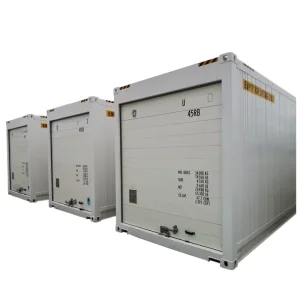
Engineered with high-speed insulated sectional roller doors for urban cross-docking in Gauteng, minimizing thermal loss during rapid pallet offloading.
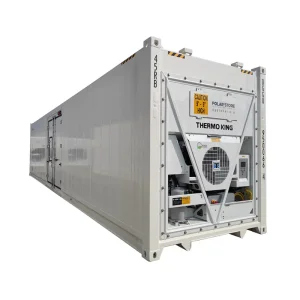
Full side aperture opening allows forklift access for non-standard perishable pallets, citrus harvest crates, and rapid cold corridor storage.
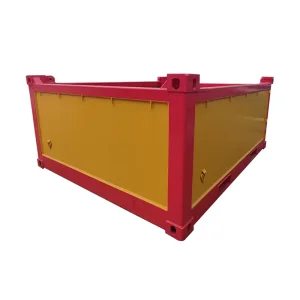
Certified offshore basket frame designed for rough sea lifting, rig tool supplies, and harsh mining transport corridors across Southern Africa.
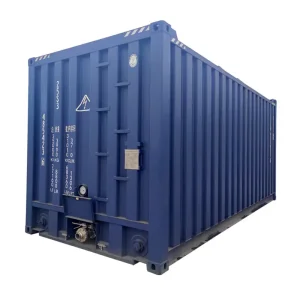
High-capacity square footprint fluid storage optimized for bulk wine export from Western Cape and specialty industrial chemical bulk transport.
An authoritative analysis of logistical bottlenecks, load-shedding volatility, and why roll-up door reefer technology has become indispensable for South African enterprise operators.
South Africa represents one of the world's most critical agricultural export epicenters, exporting upwards of 2.7 million tons of fresh citrus, table grapes, pome fruit, and stone fruit annually to the European Union, the United Kingdom, the Middle East, and Asia. However, cold chain infrastructure across major hubs like Durban Port (handling over 60% of containerized sea freight), Port of Cape Town, Ngqura (Coega), and Port Elizabeth (Gqeberha) faces compound operational stresses. Periodic terminal congestion, port vessel wait times, and intermittent rail freight schedules operated by Transnet Freight Rail (TFR) demand reefer equipment with exceptional autonomous reliability and superior thermal envelope integrity.
Compounding logistics corridors is South Africa's systemic energy vulnerability—Eskom load-shedding cycles fluctuating from Stage 2 to Stage 6. When cold storage warehouses or distribution cross-docks in industrial zones such as City Deep (Johannesburg), Prospecton (Durban), or Epping (Cape Town) experience 2 to 4-hour scheduled power outages, standard cargo containers experience rapid internal temperature spikes. Roll-up door refrigerated containers solve a fundamental operational failure point: while conventional dual-swing maritime container doors swing out 270 degrees and vent enormous cubic volumes of chilled air during loading docks, heavy-duty insulated roll-up overhead doors can be raised and lowered in seconds via motorized or counterbalanced pneumatic systems. This prevents thermal degradation, limits compressor duty cycles during generator changeovers, and cuts auxiliary diesel fuel burn rates by up to 34%.
Crucial Procurement Metric for South Africa: Conventional swing doors cause an interior temperature rise of +4.2°C per 15-minute dock door opening in ambient 38°C Durban summer humidity. In contrast, multi-layer polyurethane insulated roll-up door assemblies contain thermal loss to less than +0.8°C across identical duty cycles, safeguarding fresh fruit pulps from catastrophic chilling rejection under strict EU import phytosanitary protocols.
Furthermore, the physical geography of South African distribution requires hybrid agility. Products loaded in inland highveld agricultural estates (Limpopo, Mpumalanga, North West) travel along the N3, N1, and N4 national highways through high-temperature zones exceeding 42°C in summer, descending into coastal humidity. Procurement managers are therefore replacing standard intermodal reefers with customized roll-up door high-cube units configured with clip-on diesel generator sets (gensets), high-static pressure T-floors, and multi-zone internal bulkheads.
Full engineering conformity with SANS 10147 standards for refrigeration installations, NRCS Letter of Authority (LOA) for imported electrical equipment, and pressure vessel certification under SA PER regulations.
Microchannel condenser coils and dynamic frequency inverter compressors reduce generator load shedding diesel consumption from 3.2 L/hr to 1.9 L/hr when running off auxiliary power in transit.
Integrated GPS, digital temp logging, battery reserve status, and remote automated defrost alarms compatible with Vodacom and MTN 4G cellular IoT corridors across South Africa and SADC borders.
Detailed technical teardown of structural Corten-A steel frame rigidity, cyclopentane polyurethane foam density, and roller track weatherproofing designed for African conditions.
| Technical Parameters | CIMIC Industrial Roll-Up Reefer (SA Spec) | Standard Conventional Swing-Door Reefer | Impact on South African Operations |
|---|---|---|---|
| Door Mechanism & Speed | Counterbalanced insulated sectional roller / roll-up curtain (Opens in 4-6 seconds) | Dual swing doors with 4 heavy locking bars (Requires 45-60 seconds manual latching) | Cuts terminal loading dock dwell time by 65%; ideal for cramped retail supermarket bays in JHB. |
| Insulation Core & Density | High-pressure injected Cyclopentane Polyurethane foam (48 kg/m³ density; zero ODP) | Standard Polyurethane foam (38-42 kg/m³ density) | Maintains freezing temperatures (-25°C) during 4-hour Stage 4 load shedding with zero power. |
| Thermal Conductivity (U-Value) | 0.31 W/m²·K with quad-lip EPDM hermetic rubber seals | 0.38 - 0.44 W/m²·K with standard perimeter gasketing | Significant energy savings under blistering ambient heatwaves in Limpopo and Northern Cape (up to 44°C). |
| Refrigeration Power Plant | Carrier Transicold PrimeLINE / Thermo King Magnum Plus / Daikin Zestia | Standard single-speed scroll compressor systems | Local SA field technician support network; nationwide spare parts availability in JHB, CPT, and DBN. |
| Internal Air Distribution | Heavy-duty 75mm T-bar aluminum extruded floor with ducted ceiling return | Standard 50mm flat/ribbed floor profiles | Enables 6,800 m³/hr airflow velocity under deep-palletized citrus and avocado packing boxes. |
| Exterior Shell Metallurgy | SPA-H Corten atmospheric corrosion-resistant steel with 250μm zinc marine coating | Standard structural mild steel or light composite panels | Guarantees 15+ years service life against hyper-corrosive marine salt spray along the Durban South Coast. |
The primary concern cited by procurement directors regarding roll-up doors on cold containers is thermal leakage across the curtain joints. Our engineering team has eliminated thermal bridging through a patented tongue-and-groove interlocking panel profile filled with fire-retardant polyurethane foam. Each segment incorporates twin co-extruded thermal breaks and UV-stabilized Santoprene seals that remain pliable down to -40°C.
The vertical side tracks are lined with dual heavy-density nylon brushes and continuous EPDM bulb seals, preventing air ingress even under high-wind crosswinds commonly experienced at the Port of Cape Town (the famous "Cape Doctor" southeasterly gale). The bottom panel is reinforced with an oversized pneumatic cushioning seal that compresses flush against the stainless-steel threshold plate, preventing water, dust, and pest intrusion when deployed on unpaved agricultural packhouses.
Unlocking 25% to 40% capital expenditure advantages by bypassing intermediaries, securing raw material scale, and leveraging certified Tianjin automated production lines.
Direct raw material procurement from primary domestic steel mills allows CIMIC to source Corten-A steel, 304/316L stainless steel interior linings, and aerospace-grade polyurethane at mill-direct pricing, insulating SA buyers from currency swings.
High-pressure, multi-axis computerized cyclopentane injection ensures 100% void-free wall and roof panel insulation. Consistent thermal barrier eliminates hot spots and sweating in harsh sub-Saharan tropical heat.
Our manufacturing plants in Tianjin and Suzhou are within 100 km of deepwater marine terminals. Weekly direct vessel sailings connect Tianjin directly to Durban and Cape Town within 24 to 28 days transit.
From inland fruit valleys to offshore Atlantic platforms, explore how commercial enterprises integrate roll-up door reefers into their daily operational workflows.
Installed directly adjacent to orchard packhouses in Tzaneen and Nelspruit. Field harvesting bins are rolled directly inside via forklift ramps through the wide roll-up aperture, achieving rapid core-temp reduction from 32°C down to 4°C within 180 minutes before long-haul road transit to Durban Port.
Deployed at retail distribution centers in Midrand, Jet Park, and City Deep. Frequent roll-cage offloading for major supermarket chains requires fast roller-shutter door cycles 40 to 60 times daily. The roll-up curtain retains cold air, preventing condensation on meat and dairy packages.
Stellenbosch and Paarl wineries utilize roll-up reefer units for staging export-ready bottled vintages. Precision temperature stability (+14°C ±0.5°C) and RH humidity management prevent cork shrinkage and wine spoilage during staging prior to Cape Town vessel departures.
Maintains consistent -25°C to -30°C ultra-low conditions for trawler landings. Heavy marine 304-stainless steel interior wall lining resists saltwater corrosion, while smooth drainage scuppers allow hygienic high-pressure chemical washdowns between catch batches.
Deployed at remote platinum, iron-ore, and coal mining concessions. Units operate on dual 380V/440V grid and automatic diesel backup generators, enduring red laterite dust storms, intense UV exposure, and remote catering supply cadences.
Equipped with triple-redundant NIST-traceable temperature probes and automated cellular SMS alerts. Delivers strict +2°C to +8°C vaccine cold chain maintenance across provincial health clinics and regional depots throughout SADC territories.
Critical checklist for procurement teams evaluating Chinese reefer manufacturers for CIF Durban or Cape Town contracts.
Importing refrigerated containers into South Africa falls under HS Code 8609.00 (Containers specially designed and equipped for carriage by one or more modes of transport). When properly declared as industrial refrigerated equipment, standard import customs duty is typically 0%, subject to 15% South African Value Added Tax (VAT) calculated on the Added Tax Value (ATV = Customs Value + 10% uplift + any customs charges).
To avoid costly demurrage at Transnet port terminals, buyers must ensure their Chinese manufacturing partner provides a complete documentation dossier prior to vessel arrival:
CIMIC Logistics Guarantee: Every unit leaving our factory undergoes complete Pre-Trip Inspection (PTI) with computer data logs attached to the shipping documents. We offer full CIF Durban, CIF Cape Town, and CIF Ngqura Incoterms 2020 contracts with pre-cleared customs documentation support.
Direct answers to the most common technical, electrical, logistical, and commercial inquiries from South African logistics directors.
Our South Africa-spec units utilize 48 kg/m³ high-density cyclopentane-injected polyurethane insulation paired with insulated roll-up curtain panels featuring integrated thermal breaks. Under Stage 4 or Stage 6 load shedding (2 to 4 hours of grid power outage), internal temperature rises by less than 1.5°C when closed, preserving cargo without continuous generator running. Units can also be supplied with automatic clip-on diesel generator sets that ignite immediately upon grid voltage drop.
We configure our containers with genuine Carrier Transicold (PrimeLINE series), Thermo King (Magnum Plus), or Daikin (Zestia) machines. All three global brands maintain fully certified service depots, certified field technicians, and complete OEM spare parts inventories across Johannesburg, Durban, Cape Town, Port Elizabeth, and Bloemfontein.
Standard production lead time at our Tianjin facility is typically 15 to 25 business days depending on custom door sizing and interior bulkhead specifications. Maritime direct sailings from Tianjin or Qingdao to Durban Terminal take approximately 24 to 28 days; sailings to Cape Town take 28 to 32 days. We also offer one-way "cabotage" container loading options where units carry dry cargo to South Africa to offset sea freight costs.
Yes. The roll-up doors are engineered with heavy-gauge galvanized steel guide rails, anti-vibration nylon rollers, and dual structural locking latches designed to withstand continuous 2G vertical shock loads experienced on farm-access gravel roads and during cross-country intermodal rail shunting operations.
Units are wired for standard dual-voltage industrial operation: 380V-460V 3-phase @ 50Hz/60Hz, which directly matches the South African 400V 50Hz 3-phase grid power supply. An optional dual-wound power transformer can be integrated to allow step-up operation from 190V-230V 3-phase sources or mobile generator trailers.
Yes. As an OEM/ODM manufacturer, we fabricate standard 20ft Standard, 20ft High-Cube, 40ft High-Cube, and bespoke 10ft or 45ft configurations. We also engineer dual-temperature multi-compartment units featuring movable insulated partition walls and secondary evaporators for transporting chilled (+4°C) and frozen (-20°C) goods in a single box.
Our specialized roll-up assemblies utilize continuous triple-lip EPDM perimeter seals and brush strips along the entire vertical track. This blocks fine dust ingress common in the Karoo, Free State, and mining areas of the Northern Cape, maintaining sterile food-grade HACCP storage conditions.
The container structural box, Corten frame, and insulation panels are warranted by CIMIC for 5 years against corrosion and delamination. The Carrier, Thermo King, or Daikin refrigeration machinery carries a 3-year international manufacturer's warranty fully honored by authorized local South African warranty repair workshops.
Absolutely. We offer complete OEM corporate branding, including RAL color matching marine polyurethane paint, fleet serial numbering, company vinyl liveries, internal stainless-steel meat hanging rail beams, PVC air curtains, interior LED lighting bars, and safety panic escape internal handles.
Click "Send Inquiry Now" or contact our sales team at [email protected]. Provide your required dimensions, temperature range, target port (Durban, Cape Town, Port Elizabeth, or Johannesburg inland terminal), and optional accessories. Our sales engineers deliver detailed CAD approval drawings and formal CIF quotes within 24 hours.
All industrial units manufactured to ISO, BV, and DNV maritime standards, engineered for export to South Africa and international ports.
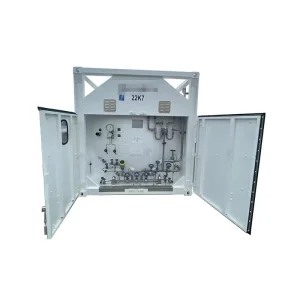
ASME and IMDG certified vacuum insulated tank container for cryogenic transport of LNG, liquid oxygen, and nitrogen across Southern African mines.
Heavy-duty insulated roller shutter configuration offering frictionless pallet handling for large-scale agricultural distribution and cold storage depots.
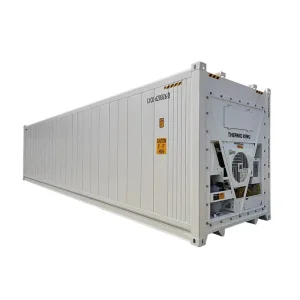
ISO standard marine reefer container with BV seaworthiness certification, ready for long-haul maritime cold chain shipping between Durban and global markets.
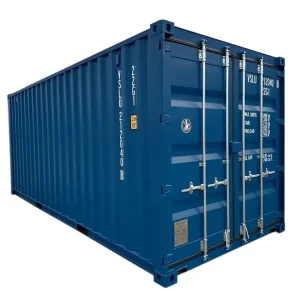
Featuring dual cargo doors at both container ends, accelerating loading and discharge cycles on intermodal rail spurs and commercial construction sites.
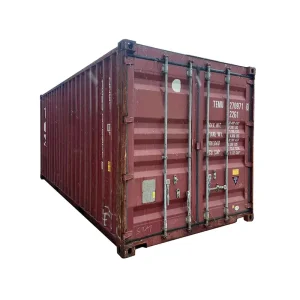
Thoroughly inspected, wind and watertight (WWT) used shipping containers ideal for economical on-site storage, farm sheds, and modular conversions in SA.
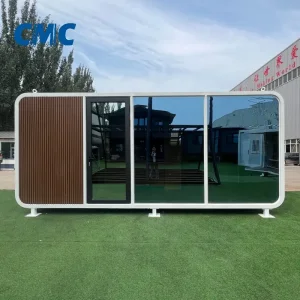
Sleek insulated prefabricated modular pod designed for agricultural farm managers, mining headquarters, luxury glamping reserves, and site executive offices.
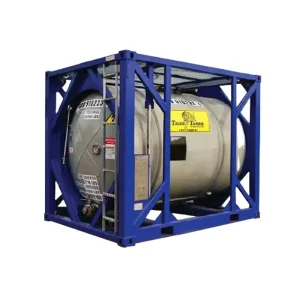
Manufactured strictly to DNV 2.7-1 / EN 12079 dynamic offshore lifting standards for maritime oil & gas bunkering, chemical dosing, and marine supply boats.
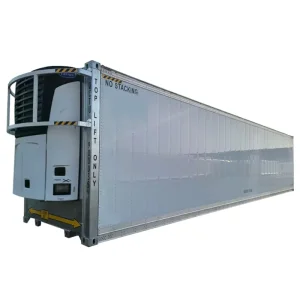
Equipped with internal diesel generator and Carrier X4 unit, ensuring uninterrupted active cooling across isolated African farming valleys without external grid reliance.
