
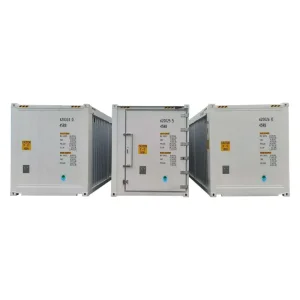
Rapid deployment containers built with weathering Corten-A steel, tropicalized insulation, and precision thermal units to withstand maritime humidity and severe industrial cycles.
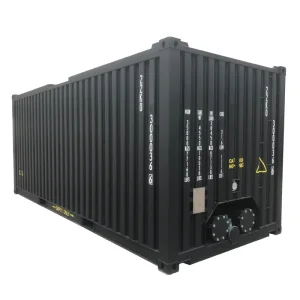
A comprehensive examination of how mega-infrastructure, the Eastern Economic Corridor (EEC), and changing global freight routes dictate technical container parameters.
Thailand is solidifying its position as Southeast Asia's second-largest economy, driven by accelerated state-backed infrastructure initiatives. Under the Eastern Economic Corridor (EEC) blueprint—spanning the provinces of Rayong, Chonburi, and Chachoengsao—the demand for intermodal equipment has outgrown generic standard dry containers. Heavy petrochemical complexes in Map Ta Phut, advanced automotive manufacturing clusters in Rayong, and the deepwater expansion of Laem Chabang Port demand high-tolerance, specialized containment enclosures.
Standard shipping containers routinely fail under the rigorous challenges of Thailand's ambient environment. With year-round equatorial humidity exceeding 85% and sustained temperatures hovering around 35°C to 40°C, industrial operators encounter rapid corrosion, premature degradation of seals, and drastic condensation inside cargo spaces. Whether transporting high-purity chemical solvents, liquid asphalt for regional road extensions, or cold-chain perishables, specialized containers must integrate marine-grade Corten-A weathering steel, advanced zinc-rich primers, and thermal-barrier coatings.
Direct imports of specialized container equipment manufactured in China benefit from preferential zero-tariff or reduced duty treatments under Form E certificates. For Thai logistics enterprises, this tariff structure yields substantial capital cost savings compared to European or domestic bespoke builds.
Our direct export dispatch centers in Tianjin and Suzhou ensure thorough documentation, complete factory acceptance test (FAT) reports, CSC safety approval plates, and customs clearing packages ready for clearance through Bangkok Modern Terminal or Laem Chabang.
Consult Our Engineering Trade DeskHow CIMIC’s direct-from-factory production lines bridge the gap between custom industrial fabrication and rapid volume delivery.
Containers are constructed using certified SPA-H weathering steel. Advanced multi-axis automated submerged arc and MIG welding systems provide complete seam penetration, eliminating micro-voids and cold-lap risks that lead to structural failure under rough sea passage or rail shunting loads.
Our specialized reefer and insulated container shells utilize automated high-pressure cyclopentane-blown polyurethane foam injection. This achieves continuous void-free insulation panels with thermal conductivity (λ) as low as 0.019 W/(m·K), drastically cutting cooling compressor duty cycles in Thailand's tropical sun.
Every container leaves our manufacturing yard backed by full certification from Bureau Veritas (BV), ISO 9001 quality systems, and DNV 2.7-1 / EN 12079 compliance for offshore lifting gear. Non-destructive ultrasonic weld inspections and rigorous load-drop testing are standard procedure.
Specific hardware configurations engineered for Thailand's primary economic pillars.
| Target Sector / Geography | Critical Challenge | CIMIC Tailored Solution | Engineering Specification Highlight |
|---|---|---|---|
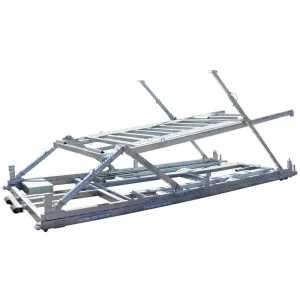
| Rayong & Chonburi Automotive Plants | Damaged vehicle panels & inefficient space utilization during inter-plant distribution | Multi-tier vehicle transport and racking containers | High-tensile steel adjustable car-carrier framing; collapsible design for zero-volume return voyages. |
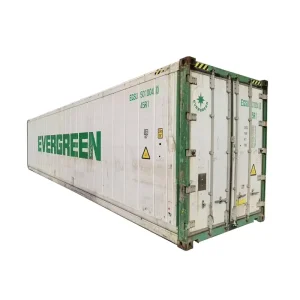
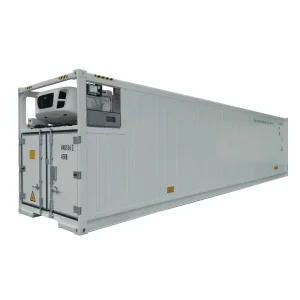
| Chanthaburi & Chumphon Agro Exporters | Durian, mangosteen, and shrimp spoiling under ambient heat waves | 40ft HC Controlled Atmosphere (CA) tri-zone reefer containers | Daikin/Carrier/Thermo King cooling units; integrated N2/O2 scrubbers; digital micro-logging for GAP export standard. |
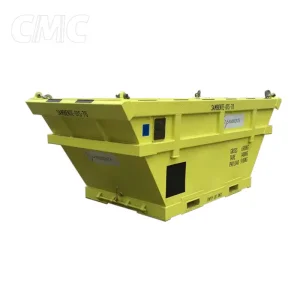
| Gulf of Thailand Offshore Oil & Gas | Extreme sea state, explosive atmospheres (ATEX), and dynamic impact during crane hoists | DNV 2.7-1 certified silt baskets & offshore cargo carry units | Slings and shackles proof-tested to 2.5x design gross weight; certified low-temperature impact steel; hot-dip galvanized. |
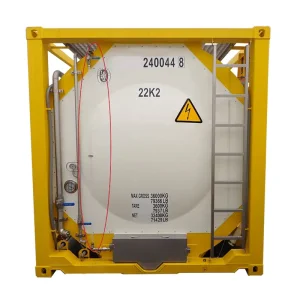
| Map Ta Phut Petrochemical Hub | Bulk transportation of high-viscosity resins, alcohols, and hazardous additives | T11 & T75 ISO tank containers with heating jackets | 316L stainless steel pressure vessels; multi-stage steam/electric heating coils; inert gas blanketing valves. |
| Pan-Asian Rail (Vientiane - Bangkok) | Extended dwelling times at border checks and varying track ballast vibrations | 45ft HC Belt-and-Road multimodal railway reefers | Clip-on underslung diesel gensets with 120-hour autonomous fuel tanks; reinforced twistlock corners; GPS/satellite telemetry. |
Global container markets are witnessing a generational transition. As Thai industrial groups realign procurement with Scope 3 ESG targets and multinational supply chain audits, container equipment must contribute to operational energy efficiency. Modern reefer units furnished by CIMIC consume up to 35% less kilowatt-hour power than legacy machinery through micro-channel condensers, variable-speed scroll compressors, and intelligent temperature management software.
Simultaneously, telematics integration has transformed containers from static metal boxes into edge-computing IoT endpoints. For high-value pharmaceuticals passing through Suvarnabhumi or refrigerated seafood leaving Mahachai, real-time wireless sensors stream temperature, humidity, door-opening alerts, and shock impacts directly to operations teams via satellite and 5G networks.
Corner posts tested to absorb 86,400 kg per post, satisfying ISO 1496-1 parameters for high-density ocean vessel holds and port container yards.
Electrical configurations engineered for 380V/440V 3-phase 50/60Hz operations, matching Thailand’s standard industrial electricity grids and standard vessel plug sockets.
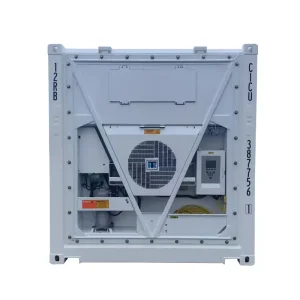
All reefer units undergo factory automated multi-point PTI testing before packing, guaranteeing zero-defect run hours from the moment containers arrive in Thai territory.
Expert insights compiled by our marine structural engineers and cross-border trade specialists.
Under the China-ASEAN Free Trade Agreement (ACFTA), importers utilize the Form E Certificate of Origin issued at our regional customs authority in China. This qualifies qualified intermodal container types for major tariff preferences under HS codes 8609.00. CIMIC delivers complete sets of Form E, commercial invoices, packing lists, bill of lading, and CSC certificates to simplify customs processing at Laem Chabang or Bangkok.
Yes. Our specialized reefer units feature food-grade stainless steel (grades 304/316) or high-grade antimicrobial aluminium interior liners. Floor systems incorporate extruded aluminium T-flooring designed for heavy pallet jacks, ensuring high airflow distribution beneath cargo. Dehumidification controls can maintain relative internal humidity as low as 50% to 65%, preventing fungus and packaging collapse during transit.
For standard catalog designs or stock refurbished units, dispatch to port occurs within 7 to 10 days. Customized engineering builds (such as heated bitumen units, custom multi-door combinations, or DNV offshore baskets) typically require 3 to 5 weeks for manufacturing, structural testing, and classification sign-off. Direct sea transit from Tianjin or Shanghai to Laem Chabang takes approximately 10 to 14 days.
CIMIC standardizes on world-leading refrigeration machinery including Carrier Transicold, Thermo King, and Daikin. All three brands maintain established authorized service networks, warranty hubs, and parts depots in Bangkok, Chonburi, and Songkhla. Our clients are not locked into proprietary orphan systems and can source consumables locally without operational disruptions.
Standard ISO containers are engineered solely for calm vertical lifting via twistlocks on ship spreaders. DNV 2.7-1 / EN 12079 units are rated for harsh open ocean swells, dynamic lifting with 4-point wire rope slings, and side-impact shock forces on offshore support vessels. They undergo extreme cold-temperature charpy V-notch steel impact testing and 100% magnetic particle or ultrasonic weld evaluations.
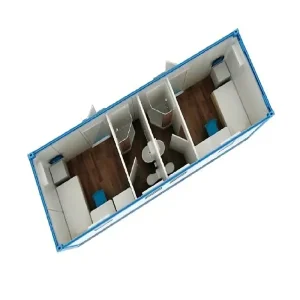
Yes. Our modular engineering division provides custom electrical layouts compliant with the Provincial Electricity Authority (PEA) of Thailand, specialized rockwool fireproof acoustic insulation, dual-glazed cyclone-rated windows, and modular plumbing fit-outs ideal for remote EEC construction sites, worker dormitories, and mobile labs.
Explore our certified intermodal, cryogenic, modular, and specialized container systems engineered for global durability and prompt Asian sea freight delivery.
Connect directly with our engineering sales team to receive detailed CAD/3D drawings, thermodynamic calculation sheets, factory pricing, and Form E tariff guidance tailored for Thailand delivery.