Engineered at our China manufacturing facility to overcome tropical marine ambient temperatures up to 45°C. Factory-integrated quick-freezing and intermodal units direct to Colombo, Hambantota, and Trincomalee.
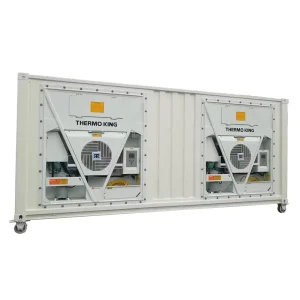
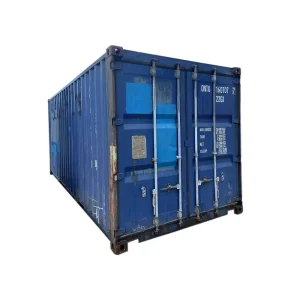
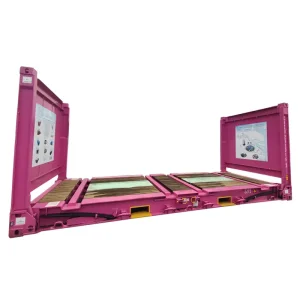
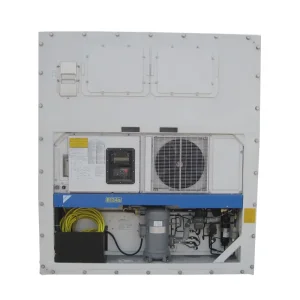
Strategically positioned at the crossroads of major East-West shipping lanes in the Indian Ocean, Sri Lanka—anchored by the Port of Colombo and the emerging maritime hub at Hambantota Port—serves as the primary logistics gateway for South Asia. However, the island's high ambient humidity (consistently exceeding 80%) and tropical temperatures hovering between 32°C and 42°C present formidable engineering obstacles for temperature-sensitive cargo preservation.
Sri Lanka's flagship marine exports, especially prized sashimi-grade Yellowfin Tuna (Thunnus albacares), Bigeye Tuna, and brackish-water Black Tiger prawns, demand rapid core-temperature reduction down to -50°C to -60°C immediately post-harvest. Conventional static cold rooms fail to prevent large ice crystal nucleation, resulting in cellular puncture, severe drip loss, and protein denaturation upon defrosting. Our China blast reefer container factory addresses this gap by shipping factory-tested quick-freezing container units with high-static pressure airflow systems directly to Sri Lankan processing companies in Negombo, Galle, Beruwala, and Jaffna.
Simultaneously, the modernization of Sri Lanka’s domestic agro-logistics—transporting fresh tea leaves, highland Ceylon vegetables from Nuwara Eliya, and tropical fruits for export to the Middle East and European Union—has amplified the demand for modular, mobile blast freezing and pre-cooling containers that withstand coastal saline corrosion while maintaining strict thermal integrity.
Enterprise buyers from multinational shipping liners, fishery consortia, and cold-store conglomerates demand stringent mechanical tolerances. Below are the key manufacturing pillars integrated at our production lines.
Standard reefers use 50-65mm T-flooring designed solely to maintain pre-chilled temperatures. Our blast freezing containers incorporate heavy-duty 75mm extruded aluminum deep T-bar floors coupled with high-efficiency backward-curved centrifugal fans. This delivers an air throw volume exceeding 6,800 m³/hr, forcing sub-zero air upward through dense fish baskets and palletized cargo to eliminate thermal dead zones.
Thermal bridge elimination is vital in humid tropical environments like Sri Lanka. We inject zero-ODP, low-GWP high-density polyurethane (PU) foam with 100% cycloisopentane blowing agents into wall, roof, and door cavities at high pressure. Densities reach 45-50 kg/m³, combined with double-lipped EPDM rubber perimeter door gaskets that prevent moisture vapor ingress and frost formation on evaporator coils.
To safely pull temperatures down to -60°C without excessive mechanical strain, our units utilize dual-stage cascade refrigeration designs or digital scroll compressors operating with specialized low-temperature refrigerants (such as R-452A or R-404A/R-23 combinations). This prevents compressor overheating even when external port ambient reaches 45°C during tropical peak hours.
A technical engineering comparison detailing how specialized blast reefer containers eliminate qualitative degradation compared to standard static holding reefers in maritime environments.
| Performance Dimension | Standard Transport Reefer | CIMIC Industrial Blast Reefer | Operational Value for Sri Lanka Importers |
|---|---|---|---|
| Operating Range | -25°C to +25°C | -40°C to -60°C (Ultra-Deep Freezing) | Prevents histamine formation in Sri Lankan Yellowfin & Skipjack tuna exports. |
| Enthalpy Pull-Down Speed | Slow (18 - 36 hours from ambient) | Ultra-Fast (1.5 - 3 hours core freezing) | Bypasses 0°C to -5°C zone, avoiding ice crystal expansion that ruins fish texture. |
| Evaporator Fan Airflow | 3,200 - 4,500 m³/hr (Low Static Pressure) | 6,800 - 8,500 m³/hr (High Pressure Blast) | Overcomes tight crate packaging, ensuring continuous turbulent cold air penetration. |
| Insulation Thickness & Material | 50mm - 70mm Polyurethane | 75mm - 100mm High-Density Cycloisopentane | Cuts power consumption by 24% under harsh Colombo sun and humid tropical docks. |
| Defrosting Mechanism | Timed Electrical Resistance Heating | Demand-Based Hot Gas Bypass Cycle | Minimizes temperature spikes during defrosting, maintaining enzymatic cargo stability. |
| Interior Lining & Hygiene | Standard Stainless Steel / Aluminum | Food-Grade SS304 / SS316L mirror-finish | Meets EU Regulation (EC) 852/2004 & US FDA requirements for fresh seafood handling. |
Our Tianjin and Suzhou R&D engineering laboratories are introducing next-generation autonomous cold-chain technologies specifically suited for island ecosystems with fragile electrical grids.
Integrated micro-sensors monitoring internal vapor pressure, refrigerant compression ratios, and cargo temperature gradients. Real-time satellite transmission to Colombo dispatch centers with automated predictive defrost alerts.
Transitioning blast systems to transcritical and subcritical CO2 (R-744) refrigeration circuits with zero ODP and GWP of 1, anticipating IMO carbon levies and European Green Deal border adjustments.
Roof-mounted high-efficiency flexible PV arrays paired with lithium ferro-phosphate (LFP) energy storage to buffer reefer power during grid fluctuations at regional Sri Lankan processing facilities.
Internal interior panels treated with photocatalytic titanium dioxide (TiO2) and silver-ion antibacterial coatings to permanently prevent microbial biofilms without chemical residues.
Tianjin Cimic Imp&Exp Co., Ltd. (CIMIC) operates dual manufacturing centers in Tianjin and Suzhou, situated approximately 100 kilometers from China's primary container shipping berths. This geographic advantage affords prompt direct sea freight routing to the Port of Colombo (SAGT, CICT, and JCT terminals) and Hambantota International Port.
Every blast reefer, modular container house, cryogenic tank, or specialized unit shipped to Sri Lanka undergoes an exhaustive 48-hour continuous pre-trip inspection (PTI), helium mass-spectrometer leak testing, and complete thermal profiling under simulated 45°C ambient conditions prior to loading.
Furthermore, CIMIC maintains technical collaboration with authorized refrigeration service providers in Sri Lanka, ensuring that spare parts for Carrier Transicold, Thermo King, and Daikin cooling systems are readily accessible across Western, Southern, and Eastern provinces.
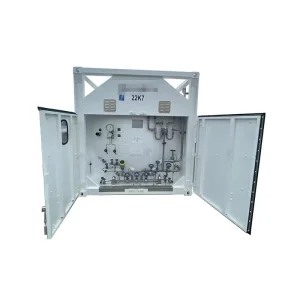
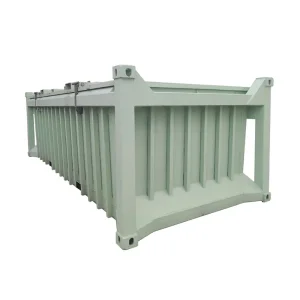
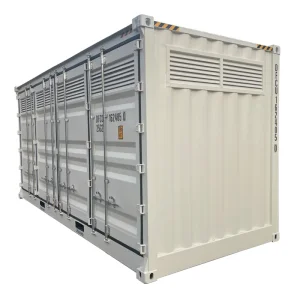
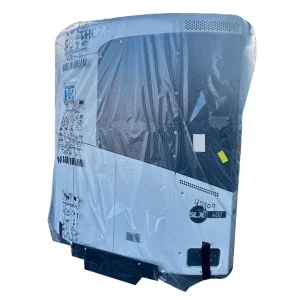
Beyond specialized blast reefer containers, our China factory manufactures an extensive portfolio of ISO tanks, offshore carriers, generator units, and modular buildings engineered for port, mining, and energy sectors.
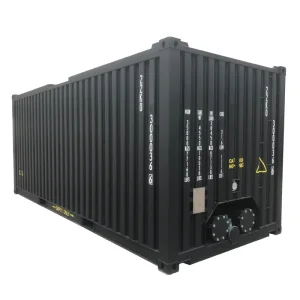
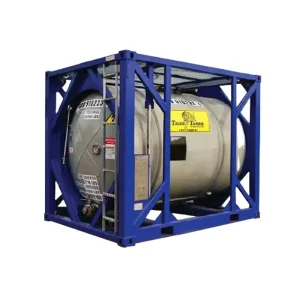
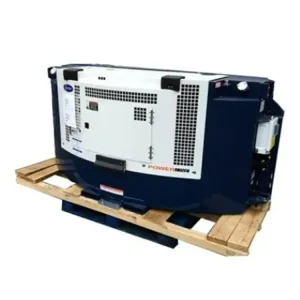
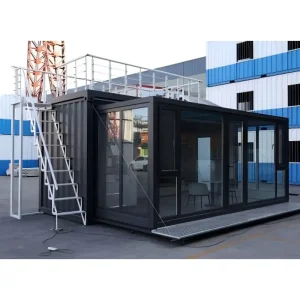
In-depth responses from our senior refrigeration engineering team covering import procedures, technical specs, and on-site support in Sri Lanka.
A standard refrigerated shipping container is designed primarily as a holding unit to maintain cargo that has already been pre-frozen or pre-chilled, operating with limited fan static pressure and cooling capacity (typically reaching -25°C). In contrast, a CIMIC blast reefer container is an industrial shock-freezing system engineered with doubled evaporator surface areas, high-pressure centrifugal blowers delivering over 6,800 m³/hr of airflow, and heavy-duty cascade or digital scroll compressors. It extracts latent heat rapidly from warm cargo (e.g., fresh tuna landed at 25°C to 30°C in Beruwala or Negombo), reducing core temperature to below -40°C or -60°C within hours to halt cellular enzyme degradation and moisture crystallization.
Sri Lanka's ambient humidity often reaches 80% to 90% in coastal ports like Colombo and Galle. High humidity introduces two significant risks: rapid frost build-up on evaporator coils and aggressive external atmospheric corrosion. Our China factory mitigates these hazards by installing high-density cycloisopentane polyurethane insulation (75mm-100mm) that eliminates thermal bridges, integrating automated hot-gas bypass defrost cycles that prevent temperature spikes inside the container, and applying ISO-certified multi-coat C5-M marine epoxy paint systems on all exterior Corten steel panels.
Every reefer container fabricated at our facilities is accompanied by an official Bureau Veritas (BV) or DNV Inspection Certificate, an ISO 1496-2 thermal conformance report, and a valid International Convention for Safe Containers (CSC) safety plate. For seafood and perishables destined for European Union and US markets, our interior chambers are manufactured using food-grade AISI 304 or 316 stainless steel with electropolished surfaces, fully compliant with EC Regulation 852/2004 and FDA 21 CFR standards.
Yes. For overland movement along the Southern Expressway (E01) or Central Expressway between deep-sea harbors and highland agricultural zones, we supply clip-on or undermount diesel generator sets (gensets) powered by fuel-efficient Yanmar or Perkins engines. These gensets provide uninterrupted 460V/380V 3-phase electric power, ensuring continuous blast cooling or temperature maintenance during extended transit times.
Standard ISO configuration containers and in-stock units are dispatched within 7 to 10 days from our coastal yards. Custom-engineered blast reefers with specific compressor configurations (Carrier, Thermo King, Daikin), side-opening doors, or specialized hanging tracks require 18 to 25 manufacturing days. Direct ocean transit from Tianjin or Shanghai ports to Colombo Port typically takes between 14 and 18 days, ensuring rapid project deployment for Sri Lankan enterprises.
Whether you require a single high-performance blast reefer container for tuna processing in Galle or a dedicated fleet of 40ft High Cube containers for Colombo transshipment, our engineering team is ready to assist with full specifications, CAD drawings, and factory direct quotations.
