Direct China-to-Belgium Supply Chain Architecture

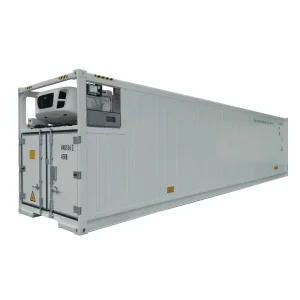
China Meat Hanging Reefer Container Pricelist & Products for the Belgium Market

Industrial-grade cold-chain engineering: High-payload overhead meat rail systems, Class FRC ATP-certified thermodynamics, and direct multimodal logistics through the Port of Antwerp-Bruges.

Send Inquiry Now
Primary Export Catalog

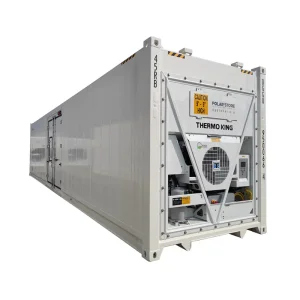
Specialized Reefer & Bulk ISO Logistics Units for Belgium

Engineered to comply with stringent Belgian Federal Agency for the Safety of the Food Chain (FASFC/AFSCA) hygienic norms and heavy axle transit regulations across Flanders and Wallonia.

Strategic Industrial Reality

The Belgian Meat Processing Sector & Strategic European Corridors

A granular look at carcass transit logistics, regulatory oversight by the FAVV/AFSCA, and the crucial position of the Port of Antwerp-Bruges.

1.04M+
Metric Tons Belgian Pork Produced Annually
#1 Gateway
Port of Antwerp-Bruges Reefer Hub
FRC Class
ATP Heavy Insulation Accord Compliance
< 0.35 W/m²K
Certified Thermal Transmission (K-Value)

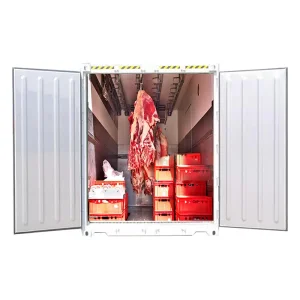
Belgium is a powerhouse in European agrifood logistics. With its world-renowned pork processing clusters in Flanders (notably West and East Flanders) and its premium Belgian Blue beef corridors in Wallonia, the country moves millions of carcasses from slaughterhouses to centralized cutting hubs, cold stores, and export docks every week. Unlike boxed, palletized meat that can be transported in conventional reefers, transporting whole, half, or quarter carcasses demands dedicated Meat Hanging Reefer Containers engineered specifically to preserve animal morphology, optimize carcass air exposure, and avert surface bacterial growth.

Regulatory Stringency: The Belgian Federal Agency for the Safety of the Food Chain (FAVV / AFSCA) mandates continuous, tamper-evident cold chain records for red meat (carcasses must be chilled to a core temperature below +7°C, offal below +3°C, and frozen meats below -18°C) without interruption from slaughtering facility to destination.

From a global vantage point, the consolidation of the Port of Antwerp-Bruges has heightened Belgium's role as the indispensable transshipment nexus of Western Europe. Every year, reefers loaded in China and across Asian supply chains arrive at Belgian quays for intermodal transfer via inland waterways, rail freight lines, and highway corridors directly into the French, German, and Dutch industrial belts. Simultaneously, Belgian meat processors leverage these specialized hanging meat reefer units to export high-grade pork sides to African, Southeast Asian, and Latin American destinations where hook-based carcass transport is paramount to end-market butchery specifications.

Structural Dynamic Roof Rigidity

Overhead carcass loading subjects container roof structures to intense dynamic pendulum forces during truck cornering, rail shunting, and ocean pitch. Our units incorporate heavy-gauge Corten steel top rail stiffeners and high-tensile internal ceiling stringers tested to handle full dynamic shock loads up to 2.5G.

Optimized Air Distribution Profiles

Hanging carcasses obstruct transverse air movement. Our systems employ high-throw centrifugal evaporators paired with high-profile extruded aluminum T-floors and ceiling duct discharge channels, ensuring 360-degree laminar airflow that suppresses condensation, drip loss, and surface crusting.

ATP Class FRC & EU F-Gas Conformance

Thermal isolation using eco-friendly, high-density cyclopentane-blown polyurethane foam achieves a certified K-value below 0.35 W/m²K. Coupled with low-GWP refrigerants (R452A, R513A, and transcritical CO2 ready), units satisfy the European Union's updated F-Gas Regulation 2024/573.

Pricelist & Technical Benchmark

China-to-Belgium Meat Hanging Container Price Matrix

Indicative pricing structures based on raw material indexes (Corten-A steel, SUS304 stainless food contact tracks) and refrigeration plant options delivered CIF Antwerp / Zeebrugge or FOB Tianjin.

Model Classification Dimensions (L×W×H) Meat Rail Track Design Max Hanging Payload Refrigeration Unit Brand Estimated FOB China (USD) Estimated CIF Antwerp (USD)
20ft HC Hanging Meat Reefer 6,058 × 2,438 × 2,896 mm 3 or 4 Longitudinal Food-Grade SS Rails 12,000 – 14,000 kg Carrier PrimeLINE / Thermo King $14,500 – $18,200 $16,800 – $21,000
40ft HC Hanging Meat Reefer (Standard) 12,192 × 2,438 × 2,896 mm 4 or 5 Bi-Rail Tubular SS304 Tracks 22,000 – 26,000 kg Carrier PrimeLINE / Daikin Zephyr $19,800 – $24,500 $22,500 – $27,800
40ft HC Heavy-Duty Carcass Reefer 12,192 × 2,438 × 2,896 mm 5 Reinforced Bi-Rail with Cross Transfer 26,000 – 28,500 kg Thermo King Magnum Plus (Deep Freeze) $22,800 – $27,500 $25,500 – $30,900
45ft High-Cube Intermodal Rail/Barge 13,716 × 2,438 × 2,896 mm 5 Heavy Overhead Roll Tracks + Euro Hooks 28,000 – 30,000 kg Carrier / Daikin Dual Inverter Unit $26,000 – $31,500 $29,500 – $35,200
40ft HC Side-Door Multi-Temp Reefer 12,192 × 2,438 × 2,896 mm Segmented Hanging + Box Cargo Bay 20,000 kg (Combined) Multi-Evaporator System $25,500 – $32,000 $28,500 – $36,000

* Note: Prices reflect baseline factory quotations for Q1/Q2 production batches and vary based on European component brand choices (Thermo King, Carrier Transicold, Daikin), specific hook alloy specifications (SUS304 vs SUS316L), automated transshipment crane hooks, and prevailing ocean freight surcharges from Tianjin/Shanghai to Antwerp/Zeebrugge.

Technical Architecture

Mechanical & Thermodynamic Engineering Inside the Reefer

Overcoming dynamic structural deflection and cold-bridge condensation in heavy carcass transport.

1. Overhead Meat Track Structural Engineering

In standard dry or box-reefer configurations, cargo mass rests uniformly distributed across the floor T-channels. In meat-hanging reefer containers, 100% of the operational payload hangs directly from the ceiling. When suspended in a 40ft High Cube container, 24 tons of beef or pork quarters act as dynamic pendulums under transit conditions. Road bumps, sudden emergency braking on the E40/E17 Belgian motorways, and maritime rolling generate severe lateral and vertical shock vectors.

To eliminate roof sagging and long-term seam micro-fracturing, our frames utilize customized Corten-A square hollow section (SHS) purlins tied directly into vertical corner posts and hot-rolled longitudinal top rails. The stainless-steel overhead tracks (either tubular round rail for Euro-standard sliding hooks or bi-rail channel systems for roller hooks) are fastened with grade 10.9 structural bolts insulated via thermal break polyoxymethylene (POM) bushings to ensure zero heat conduction between the outer frame and the food-contact stainless steel.

2. Hygienic Inner Liner & Drainage Engineering

Cleanliness in red meat handling must comply with the strictures of EC 853/2004 hygiene directives. The interior walls feature seamless, food-grade SUS304 or high-durability food-safe glass fiber reinforced plastic (FRP) with non-porous antimicrobial coatings. At the wall-to-floor junctions, wide-radius coving prevents blood or tissue entrapment. Floor channels feature four high-capacity, one-way siphon drains with heated labyrinth seals that allow rapid high-pressure washdowns with hot caustic solutions while preventing external ambient air infiltration during active transit.

3. Air Circulation, Thermal Bridging, and Dehumidification

Hanging carcasses create narrow, vertical air corridors that disrupt typical bulk cargo airflow. Standard bottom-up air circulation can cause thermal layering where meat near the ceiling remains unchilled while the bottom freezes. Our meat reefer units feature an engineered top-air discharge plenum combined with high-static pressure fans that force chilled air through overhead nozzle diffusers, bathing the suspended carcasses along their full vertical profile before returning via the recessed floor channels.

Deployment Scenarios

Localized Use-Cases Across Belgium’s Logistical Grid

Proven applications delivering operational reliability from regional slaughterhouses to international sea lanes.

Inter-Abattoir Cold Transit (Flanders)

Direct daily shuttle service between primary abattoirs (such as in Tielt, Zele, and Bruges) and secondary butchering/curing facilities. Hook systems allow seamless transfer straight onto factory overhead lines without manual re-handling, preserving hygienic integrity and slicing unload time by up to 65%.

Antwerp Deep-Sea Transshipment

Export of premium pork cuts to high-growth markets in West Africa, the Caribbean, and Southeast Asia. Reefers are pre-chilled, loaded at Belgian cold facilities, hauled via multi-modal barge down the Scheldt, and loaded onto ocean container carriers with uninterrupted power data tracking.

Seasonal Overflow Cold Storage

Belgian meat processors face distinct seasonal spikes (e.g., barbecue season in early summer, holiday poultry and pork demand in winter). Our hanging meat reefers serve as instantly deployable, on-site hygienic cold rooms requiring only a standard 380V/460V 3-phase industrial power plug.

Technology Roadmap

Next-Generation Smart Reefer Technologies (2025–2030)

Integrating IoT telematics, low-GWP transcritical refrigeration, and lightweight high-tensile composites.

As the European Green Deal and tighter cold chain monitoring standards reshape European logistics, container manufacturing is transitioning toward intelligent, carbon-neutral cold chain assets. CIMIC is implementing concrete technological breakthroughs tailored for European fleet operators:

1. Remote Core Flesh Telematics & AI Predictive Defrost: Traditional reefer units trigger defrost cycles based on simple timer thresholds or air temperature differential sensors, often causing brief thermal spikes that degrade meat surface bloom. Our next-generation containers integrate wireless multi-point core flesh temperature sensors paired with AI-driven predictive defrost algorithms. Defrost cycles activate only when ice accumulation hampers airflow efficiency, lowering total power draw by 18% during multi-week ocean transport.

2. Transition to Transcritical CO2 (R744) Systems: In alignment with European phasedown schedules for high-GWP synthetic HFC refrigerants, our research and engineering facilities are field-testing containerized natural refrigerant architectures. Transcritical CO2 refrigeration delivers zero ozone depletion potential (ODP = 0) and a Global Warming Potential of exactly 1 (GWP = 1), future-proofing Belgian fleets against punitive refrigerant tax levies and environmental compliance bans.

3. High-Strength Ultra-Light Composite Shells: By substituting conventional inner steel profiles with aerospace-grade structural polyurethane composites and carbon-reinforced tie bars, tare weight is lowered by up to 850 kg per 40ft High Cube unit. This weight reduction translates directly into legal road transport payload allowances within the 44-ton gross vehicle weight limits enforced on Belgian motorways.

Procurement & Technical FAQ

Frequently Asked Questions: Meat Hanging Containers in Belgium

Direct technical and commercial answers for fleet directors, abattoir logistics managers, and freight forwarders.

Can the hanging hook rail system be integrated with Belgian abattoir processing conveyors?
Yes. We engineer the internal rail spacing, rail diameter (commonly 60mm tubular or standard bi-rail channel), and hook transfer gate height to align with standard European slaughterhouse conveyor tracks. Door header drop-down connecting rails allow the internal container track to mate with loading dock overhead lines, enabling carcasses to be slid in without manual lifting or forklift handling.
Are these containers fully certified under the ATP agreement for international transport?
All CIMIC meat hanging reefer containers are built to ATP (Agreement on the International Carriage of Perishable Foodstuffs) standards, categorized under Class FRC (Heavily Insulated Mechanically Refrigerated Equipment). They hold a heat transmission coefficient (K-value) below 0.35 W/m²K, verified by Bureau Veritas (BV) or Lloyd's Register testing, accompanied by full ATP certification stickers and documentation for seamless customs clearance across the EU.
What is the maximum payload capacity for whole beef or pig carcasses?
For a standard 40ft High Cube Hanging Reefer, the reinforced structural ceiling can bear a static load of up to 28,000 kg and dynamic operational payloads typically between 22,000 kg and 26,000 kg of hanging pork sides or beef quarters. Each longitudinal rail is calculated with a safety factor of 2.5× to accommodate emergency braking and road vibration without track or purlin deformation.
How do you address Belgian FAVV/AFSCA cleaning and sanitation protocols?
Our container interiors feature sanitary food-grade SUS304 stainless steel or FDA-approved continuous food-safe composite panels with watertight welded seams. All interior rail hangers are finished with smooth, rounded contours that eliminate crevices where meat residues or bacteria can collect. High-throughput floor drains with anti-vacuum water traps allow thorough hot chemical washdowns and steam sanitation between consignments.
What are the electrical power requirements and refrigeration compatibility?
Units operate on dual voltage: 380V/460V 3-phase 50/60Hz, fully compatible with European shore power at container terminals (Zeebrugge/Antwerp), onboard container vessels, and standard abattoir charging stations. For overland road transit across Belgium, the units can be powered via diesel clip-on gensets mounted to the container front wall or chassis.
What is the typical transit lead time and delivery terms to Belgium?
Production lead time for customized meat hanging units is generally 25 to 35 business days depending on order volume and bespoke conveyor rail requirements. Sea transit from our port facility in Tianjin to the Port of Antwerp or Zeebrugge takes approximately 30 to 35 days. We supply under Incoterms 2020 including FOB Tianjin/Qingdao, CIF Antwerp, or DDP direct to your facility in Flanders or Wallonia.
Comprehensive Equipment Fleet

Full Container Lineup Available for the Belgian Market

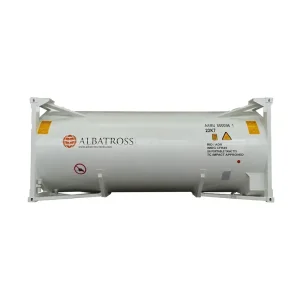
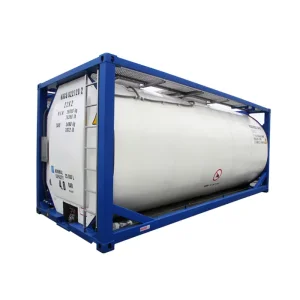
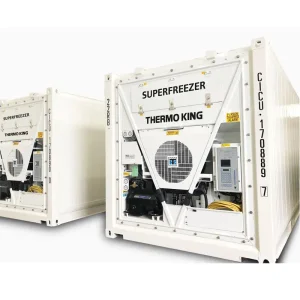
Explore our full line of deep freezers, standard storage, intermodal tank, and specialized dry cargo equipment available for immediate booking and export.

Request Technical Specifications & CIF Antwerp Price Breakdown

Connect with our senior cold-chain structural engineers. We provide CAD rail drawings, ATP calculation sheets, electrical schematics, and batch pricing delivered directly to your logistical base in Belgium.

Send Inquiry Now