
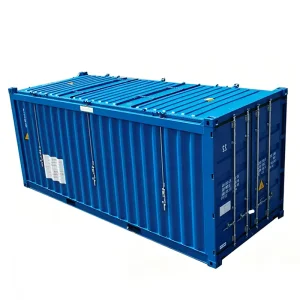
Engineered to withstand rugged Trans-Tasman ocean conditions while offering top-lift accessibility for heavy machinery, bulk minerals, and over-height cargo.
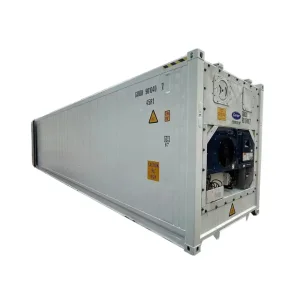
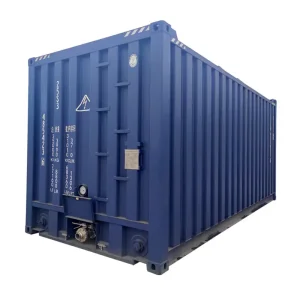
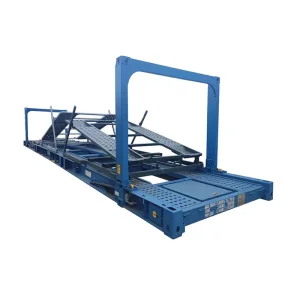
A comprehensive examination of why heavy industrial enterprises across Auckland, Tauranga, and Lyttelton require hard-top open-top container configurations.
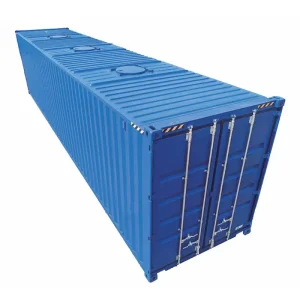
Unlike soft-top units utilizing PVC tarpaulins, hard-top open-top containers feature a heavy-duty, fully removable steel roof secured by locking pins. This retains the structural rigidity of a dry box while permitting top overhead crane loading for dense machinery, steel coils, and granite.
Freight movement between the North and South Islands via KiwiRail and inter-island roll-on/roll-off ferries necessitates strict structural parameters. Hard-top containers prevent cargo shifting, eliminate water accumulation risks common in wet New Zealand maritime environments, and safeguard fragile goods.
New Zealand's Ministry for Primary Industries (MPI) enforces the world’s strictest biosecurity standards. Removable steel roof containers allow for comprehensive internal fumigation, high-pressure steam decontamination, and swift visual verification, mitigating quarantine border delays at Port of Tauranga and CentrePort.
Exporting to and operating within New Zealand places high physical demands on freight assets. Corrosive maritime atmosphere across the South Pacific requires external coatings complying with ISO 12944 C5-M marine anti-corrosion classifications. Hard-top open-top containers supplied by our manufacturing centers are fabricated exclusively with genuine SPA-H Corten steel, preserving tensile stability under excessive torsional shear encountered during rough sea voyages.
The removable steel roof beam design is engineered with a swiveling rear header bar. This ensures that cargo handlers in Auckland and Christchurch can drive heavy machinery straight in via the end doors, or lift long-length timber, extruded aluminum profiles, and prefabricated building modules directly from above using overhead gantry equipment without clearance obstructions.
How our centralized Chinese manufacturing facilities optimize procurement budgets, lead times, and engineering specifications for Kiwi enterprises.
Our industrial production lines in Tianjin and Suzhou are located within 100 kilometers of deepwater international ports. This guarantees streamlined loading access to ocean shipping lanes routed directly to New Zealand ports including Auckland, Lyttelton, Tauranga, and Napier without internal inland freight bottlenecks.
Every container leaves our floor certified under CSC (International Convention for Safe Containers) and ISO standards, inspected and stamped by accredited third-party surveyors such as Bureau Veritas (BV) and DNV. This simplifies regulatory clearance and structural validation across Australasia.
We work directly with New Zealand infrastructure contractors, forestry companies, and logistics providers to customize lashing rings, thickened steel decking, forklift pockets, exterior brand paint palettes, and specialized load-securing eyelets tailored to precise domestic cargo payloads.
Critical domestic and international operational use cases for our specialized hard-top container lineup.
The central North Island forestry corridors rely heavily on top-loading intermodal equipment. High-capacity hard-top containers allow raw timber logs, laminated veneer lumber (LVL), and engineered wood trusses to be craned in without scuffing side frames, securing the goods under steel protection from adverse weather.
From the central volcanic plateau's geothermal power facilities to the aggregate quarries supplying infrastructure projects in Christchurch, our units handle coarse minerals, drill parts, and machinery parts, offering quick overhead unloading at high payload margins.
New Zealand's ongoing transport and housing projects require efficient transport of over-height steel beams, bridge components, and pre-cast concrete. Hard-top containers provide the required open clearance coupled with CSC safety compliance for combined road and rail operations.
Essential technical and logistical information for procurement officers sourcing containers for New Zealand operations.
A hard-top container incorporates a structural steel roof that is lifted off via crane or forklift. It eliminates the wear, water ingress, and slashing security risks associated with canvas tarpaulins. For New Zealand's wet climates and long sea-ferry crossings, hard tops ensure complete water-tightness and greater cargo security against theft and dynamic crosswinds.
No, standard ISO intermodal stacking requires the hard-top roof and the rear header bar to be securely locked into position to maintain 9-high stacking load capacities. If over-height cargo extends beyond the top frame, the container must be designated as an out-of-gauge (OOG) unit and placed on the top tier of a stack.
Standard builds from inventory or ongoing manufacturing cycles typically take 2-4 weeks for production, with direct sea freight transit from our Tianjin or Shanghai hubs to major New Zealand discharge ports (Auckland, Tauranga, Lyttelton) taking between 18 to 26 days depending on the selected shipping line schedule.
Yes. Our containers comply fully with ISO dimensions and standard corner casting geometry, allowing complete compatibility with standard skeletal trailers, twist-lock configurations, and rail wagons operating across the NZ road network and KiwiRail line assets.
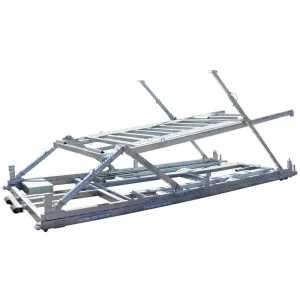
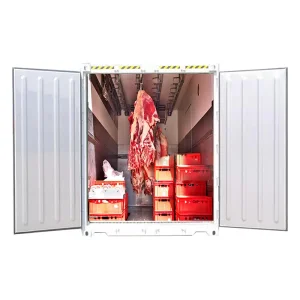
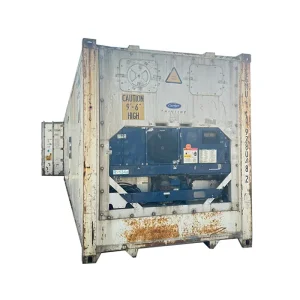
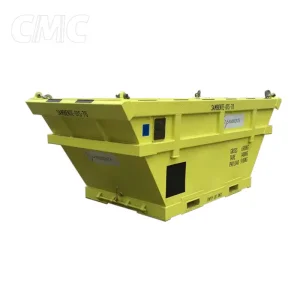
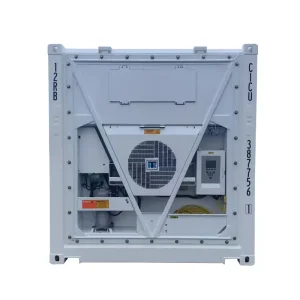
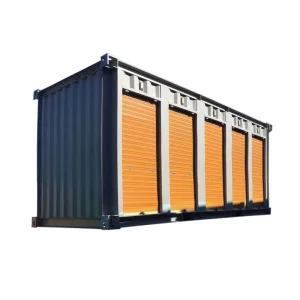
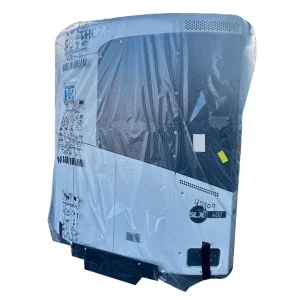
Explore our complete export line of reefers, offshore cargo baskets, roll-up units, and multi-modal transport configurations available for immediate order.
Get in touch with our engineering team today to review structural drawings, receive detailed landed CIF quotations to Auckland or Tauranga, and discuss customized container specifications.
Send Inquiry Now