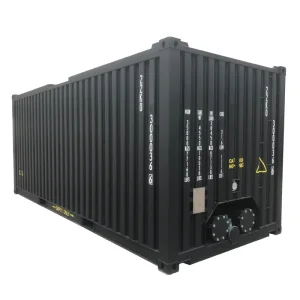
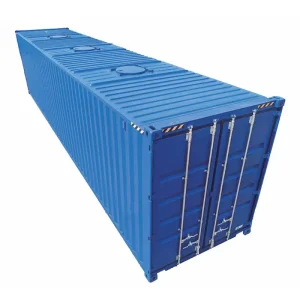
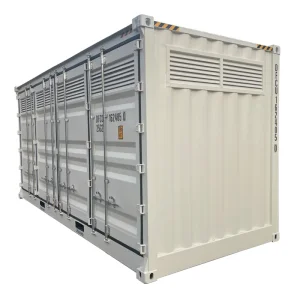
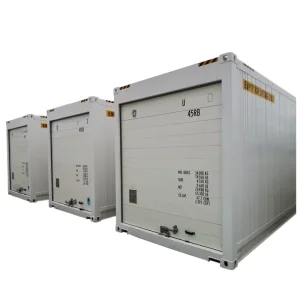
Heavy machinery handling platforms, certified liquid transfer systems, and high-density vehicle logistics racks built to rigorous maritime and land transport specifications.
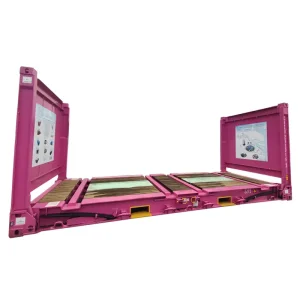
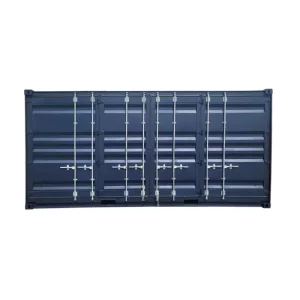
China New 20ft Platform Frame Container Exporter, Product (Iraq Heavy Haulage Ready)
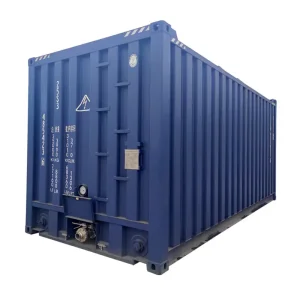
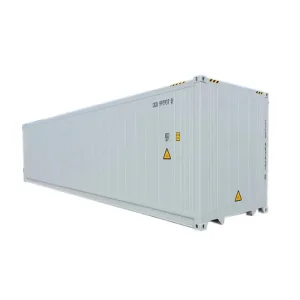
Buy New 20ft Square Liquid Container Product, Exporters (Basra Fuel Logistics Spec)
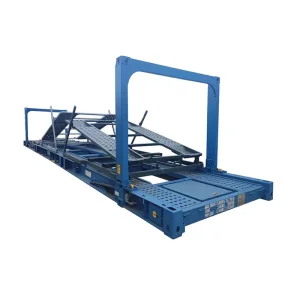
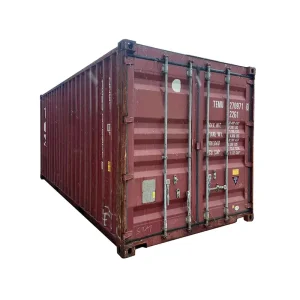
ODM New 20ft Car Carrier Container Special Container Pricelist, Exporter (Umm Qasr Transit)
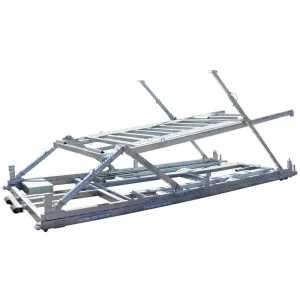
High-Quality vehicle transport rack Manufacturers, Exporters (Automotive Transit Iraq)
Strategic logistics analysis covering oilfield development across Basra, major infrastructure rebuilds in central provinces, and intermodal gateway requirements at Grand Faw Port.
Southern Iraqi operating areas such as the Rumaila, West Qurna, and Zubair oilfields experience summer ambient temperatures consistently surpassing 50°C. Standard ISO containers encounter rapid seal deterioration and structural heat saturation. OEM containers require specialized Polyurethane (PU) or Rockwool insulation barriers, thermal-reflective fluorocarbon surface finishes, and IP66-rated labyrinth sand filtration assemblies to safeguard sensitive electronics and electrical control gear against fine desert silt.
Energy infrastructure projects spearheaded by international consortia mandate compliance with stringent global safety guidelines. Special containerized units destined for upstream processing, drilling rigs, and downstream transport require rigorous certification, including DNV 2.7-1 / EN 12079 dynamic impact approvals for offshore/skid handling, alongside ADR and IMDG Class compliance for mobile chemical storage, bitumen transport, and explosive-gas zone safety enclosures.
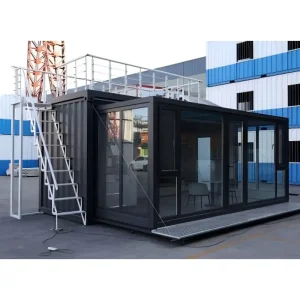
Reconstruction programs in Mosul, Anbar, and federal industrial zones demand rapid-deployment facilities. Expandable modular containers, containerized power conversion skids, water treatment plants, and reinforced tactical field offices provide immediate turnkey infrastructure. Factory-prefabricated modules reduce hazardous on-site construction hours, delivering pre-wired, pre-plumbed architectural units engineered for immediate field integration upon arrival.
Deploying world-class engineering workflows, certified raw materials, and strategic maritime proximity to support large Middle Eastern procurement programs.
Our OEM factories utilize certified SPA-H / Corten-A weathering steel, offering superior yield strength and atmospheric corrosion resistance over conventional mild steels. Automated submerged arc welding (SAW) and laser plate cutting deliver structural integrity suitable for high-stress rail shuttles, rough-terrain heavy-haul trailers, and multiple-tier port stack loadings without structural deflection.
From initial finite element analysis (FEA) to client-approved 3D CAD modeling, our engineering divisions support bespoke port-to-port configurations: full side-opening access doors, explosion-proof ventilation, internal overhead crane tracks, hydraulic folding assemblies, and pre-integrated electrical cabinets matching IEC regional power grids.
Every specialized container production lot undergoes rigorous quality hold-points. Third-party surveyors—including Bureau Veritas (BV), ABS, and ISO auditors—certify material traceabilities, dimensional tolerances, and destructive/non-destructive weld testing, ensuring immediate acceptance by international marine insurers and terminal operators globally.
Comparative structural matrix detailing target payloads, thermal insulation values, and certified regional operational applications.
| Container Model Class | Structural Metallurgy | Thermal & Sealing System | Max Gross Weight | Iraq & Middle East Applications |
|---|---|---|---|---|
| Heated Asphalt & Bitumen Tank | Q345D / Corten / Stainless Liner | Rockwool + High-efficiency Burner Tubes | 30,480 kg | Roadway reconstruction, highway development, pipeline coating logistics |
| Platform / Flat-Rack Heavy Frame | High-Yield SPA-H Structural Beams | Anti-skid treated steel or hardwood deck | 45,000 kg | Oilfield drill strings, turbine rotors, crawler heavy plant hauling |
| Explosion-Proof Dangerous Goods | Heavy Gauge Corrugated Corten Steel | Spark-proof louvers, automatic fire suppression | 24,000 kg | Basra refineries, paint/solvent storage, Class 1-9 hazardous staging |
| Thickened Foam Insulated / Reefer | Stainless 304 Interior / Corten Skin | 100mm High-Density PU Foam (Cyclopentane) | 34,000 kg | Pharma distribution, southern agricultural perishables, military provisions |
| Multi-Door Intermodal Cargo | Corten-A Weathering Steel Structure | EPDM Dual-lip perimeter compression seals | 30,480 kg | High-throughput intermodal freight, border customs breakbulk facilities |
Structural shifts influencing equipment design, clean-energy integration, and cross-border transport economics.
Global energy logistics have triggered high demand for containerized battery energy storage systems (BESS). EPC contractors throughout the Middle East are investing heavily in OEM enclosure hulls fitted with precision liquid-cooling pathways, localized clean-agent aerosol fire suppressors, and blast-relief venting to capture regional solar yields.
Enterprise buyers have shifted away from initial-purchase-price models toward Total Cost of Ownership (TCO). In marine-desert interfaces like the Persian Gulf, high salinity accelerates premature metal oxidation. Applying ISO 12944 certified C5-M high-build epoxy zinc-rich priming and polyurethane topcoats adds substantial years to service lifespans.
Modern fleet operators require real-time visibility over critical high-value movements. Modern reefer and liquid tanks are increasingly specified with satellite-linked IoT sensors. Remote monitoring tracks internal temperatures, pressure differentials, door activations, and geolocation coordinates continuously across remote transit sectors.
Explore our export-certified special containers engineered for reliable deployment across Middle Eastern infrastructure, mining, and regional energy initiatives.
Practical guidance addressing shipping documentation, port compliance, custom engineering parameters, and lead-time schedules.
Every industrial container shipment leaves our factory with complete quality dossiers: Bureau Veritas (BV) or ABS classification certificates, ISO 1496 compliance documents, mill test certificates for SPA-H steel, non-destructive weld testing reports, and authenticated commercial invoices with Certificates of Origin stamped for Iraqi Customs import clearance at Umm Qasr.
We install dense thermal-break barriers, high-density cyclopentane-blown polyurethane foam insulation (50mm to 100mm), and high-durability internal linings (including stainless 304 or food-grade FRP). Exterior surfaces receive high-reflectivity industrial coatings designed to reduce radiant solar absorption, mitigating thermal bridging under high-temperature Middle Eastern sunlight.
Yes. Our engineering departments execute certified CAD drawings incorporating full longitudinal bi-fold side-opening doors, roller shutter doors, overhead crane access ports, and reinforced structural pass-throughs. All openings are fully reinforced with structural corner and boundary framing to prevent diagonal twist or structural sagging under maximum payload conditions.
Standard production lead-times for bespoke container lots range between 20 and 35 calendar days following technical drawing sign-off. Maritime transit from our primary dispatch facilities via Tianjin or Shanghai to the Port of Umm Qasr typically requires 22 to 30 days ocean transit, providing reliable planning horizons for critical project schedules.