
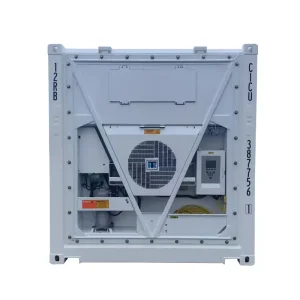
Engineered to comply with stringent DNV marine dynamic load tolerances and high-temperature differential insulation demands, specifically adapted for Aktau, Atyrau, and Caspian continental transport corridors.
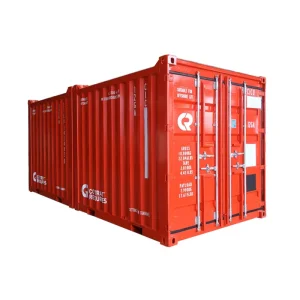

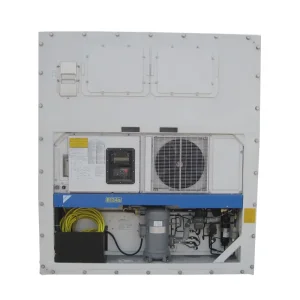
A deep dive into how Central Asia’s energy powerhouse leverages specialized cold chain containers to safeguard chemical logistics, deep-water Caspian drilling, and trans-Eurasian trade routes.
Kazakhstan occupies an unparalleled strategic position across the Eurasian landmass, acting as the primary pivot point of the Belt and Road Initiative (BRI) and the emerging Trans-Caspian International Transport Route (TITR, or Middle Corridor). While historically acknowledged for vast terrestrial mining and dry bulk logistics, modern industrialization in Kazakhstan has driven an acute transformation toward highly specialized, temperature-sensitive cold chain infrastructure. The intersection of the Kashagan, Tengiz, and Karachaganak megaprojects alongside rapid modernization of port logistics at Aktau and Kuryk has exposed a technological imperative: conventional commercial reefer units cannot withstand the punishing dynamic forces of offshore operations combined with Central Asia’s extreme hyper-continental temperature swings.
In the Northern Caspian Basin, sea-spray salinity combines with blistering summer ambient heat exceeding +48°C and winter arctic lows plummeting past -38°C. Marine support vessels and offshore staging platforms transporting vital perishable foodstuffs, specialized biological laboratory kits, polymer core samples, and explosive emulsion agents require thermal systems certified to DNV 2.7-1 (BS EN 12079) standards. Unlike standard freight containers, an offshore reefer operates in high-risk zones where lifting failure, structural deformation from sea swell, or refrigeration failure translates into immediate operational shutdowns and immense financial penalties.
E-E-A-T Technical Benchmark: Offshore reefer engineering demands structural steel with guaranteed Charpy V-notch impact toughness tested down to -20°C or -40°C (such as normalized fine-grain steel plates), thermal bridge suppression through microcellular polyurethane formulations, and refrigeration units utilizing dual-stage microprocessors to eliminate thermal fluctuations during multimodal ship-to-rail intermodal transfers.
Engineering bespoke modular solutions addressing chemical safety, food security for remote offshore living modules, and harsh-environment energy storage.
Offshore exploration in the Tengiz basin involves high concentrations of H2S and volatile gas environments. Specialized offshore reefers are built with ATEX / IECEx certified explosion-proof refrigeration units (Zone 1 / Zone 2 rated), positive pressure air-purging cabinets, and anti-static polyurea internal lining to protect volatile chemical components during transport.
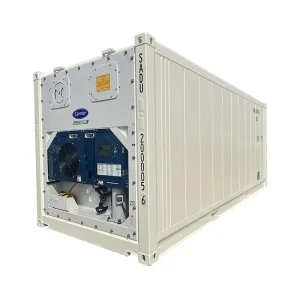
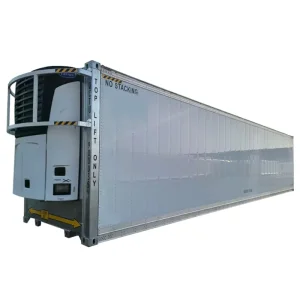
Ensuring crew wellbeing on artificial islands and stationary drill platforms demands long-term holding of chilled meat, dairy, and agricultural provisions. Our 10ft and 20ft dual-compartment offshore refrigerated boxes feature independent dual-temperature zones (-25°C freezer / +4°C chiller) powered by Carrier or Thermo King refrigeration machinery with integrated diesel genset failovers.
Transitioning between standard gauge rail at Khorgos to broad Russian 1520mm gauge demands extreme structural resilience against torsional rail vibration and buffer shock impacts. Intermodal refrigerated units integrate heavy corner castings, corrugated anti-twist Corten framing, and GPS-enabled telematics monitoring internal temperatures across 4,000 km desert routes.
Engineering breakthroughs that decouple fuel consumption from performance while integrating cutting-edge industrial IoT tracking.
As global and local ESG guidelines tighten across Kazakhstan's multinational concessions, our product development roadmap prioritizes non-ozone depleting refrigerants including R-513A and pure CO2 (R-744) transcritical compression cycles. By combining permanent magnet variable frequency compressors with 75mm high-density cyclopentane-blown PU insulation foam, total lifecycle operating energy consumption is curbed by up to 34%.
Navigating transit zones in the Kyzylkum desert or remote shallow offshore shoals means cellular coverage is frequently compromised. Modern units integrate dual Iridium-GSM satellite modems delivering real-time cargo temperature graphing, evaporator defrost schedules, supply voltage telemetry, and automatic geofence shock alarms straight to your central enterprise ERP.
Located in premier industrial hubs adjacent to China's leading ports, our production facilities leverage automated robotic welding, environmental coating lines, and rigorous Bureau Veritas / ISO 9001 certified QA protocols.
Serving the demanding Kazakhstan and Central Asian trade demands an agile supply ecosystem. Manufacturing standard ISO shipping containers is fundamentally distinct from building DNV-compliant offshore refrigerated assets. At our modern production bases in Tianjin and Suzhou, raw steel procurement focuses exclusively on micro-alloyed SPA-H Corten steel that demonstrates superior atmospheric corrosion resistance and low-temperature impact resilience.
Our Factory 4.0 fabrication methodology employs 6-axis robotic submerged arc welding to ensure structural integrity across critical pad-eyes, corner gussets, and load-bearing forklift pockets. Following fabrication, the entire container frame undergoes automated shot blasting to SA 2.5 standard, immediately followed by a multi-tier epoxy marine zinc primer, intermediate polyurethane barrier, and heavy-duty silicone topcoat designed specifically to resist the severe chemical degradation of Caspian salt fogs and industrial desert abrasion.
| Technical Specification Area | Standard Commercial Reefer | CIMIC DNV Offshore Reefer Fleet |
|---|---|---|
| Primary Steel Grade | Standard Corten A (Atmospheric) | Normalized Heavy-Plate Corten with -20°C Charpy Impact Toughness |
| Lifting Certification | ISO 1496-1 Standard Twistlock Lifting | DNV 2.7-1 / EN 12079 Four-Point Pad-Eye Slings & Shackle Sets |
| Internal Floor Spec | Extruded Aluminum T-Floor (Standard Duty) | Heavy-Duty Reinforced T-Bar or Anti-Slip Checker Plate with Drainage |
| Insulation Formulation | Standard Cyclopentane Rigid Polyurethane | Thickened High-Density Flame-Retardant Vacuum Microcellular PU Core |
| Temperature Integrity | -30°C to +30°C Range | -40°C Deep Freezing to +50°C Ambient High-Reliability Operation |
Guaranteed clearance, seamless Eurasian Economic Union (EAEU) compliance, and dedicated direct-to-rail intermodal routing.
All refrigeration systems shipped to Kazakhstan comply fully with Technical Regulations of the Customs Union (TR CU 004/2011 on Low Voltage Equipment, TR CU 020/2011 on Electromagnetic Compatibility, and TR CU 010/2011 on Machinery Safety), ensuring hassle-free customs clearance at Almaty, Astana, and border posts like Altynkol.
By leveraging direct rail connections from inland Chinese railway terminals directly through the Dostyk and Khorgos dry ports, complete container deliveries reach Kazakhstan transit hubs within 12 to 18 days, dramatically reducing capital idle times compared to long maritime bypass routes.
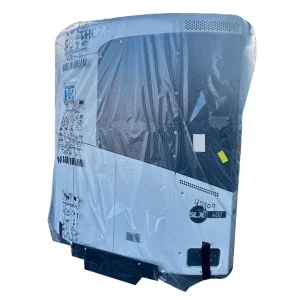
Our containers are integrated with globally acknowledged Carrier Transicold, Thermo King, and Daikin refrigeration powerplants. Genuine spare parts, certified microprocessors, and authorized warranty service teams operate throughout Central Asian hubs to keep maintenance downtime to zero.
Empowering international oil companies (IOCs), regional EPC contractors, and global logistics service providers with institutional pricing, reliable deliveries, and scalable manufacturing bandwidth.
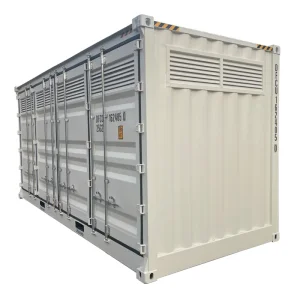
Global procurement teams operating in Kazakhstan's primary energy capitals face ongoing logistical challenges: high equipment acquisition premiums, long European delivery lead times, and fragmented warranty structures. By establishing a direct manufacturer channel with CIMIC Group, corporate buyers bypass intermediary markups while enjoying total engineering customization for specific fleet dimensions, door layouts (such as roller shutters or double end doors), internal blast-freezer partitions, and bespoke voltage settings (380V/440V, 50/60Hz).
Whether fulfilling project tenders for Tenghiz offshore logistics or upgrading national veterinary cold stores across South Kazakhstan, our scalable batch fabrication lines accommodate both single-unit custom prototypes and high-volume fleet rollouts delivered on a strict, schedule-guaranteed timetable.
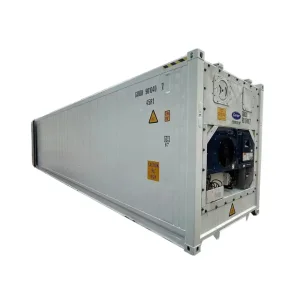
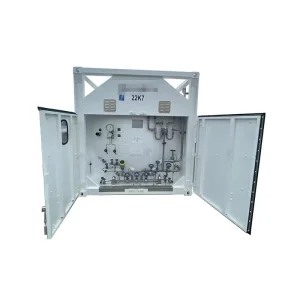
High-cube freezers, hazardous chemical containment, cryogenic tank modules, and blast freezing cold storage solutions serving Central Asian supply lines.
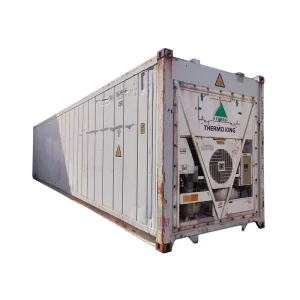

Comprehensive responses compiled by certified marine engineering specialists regarding customs, environmental survivability, and DNV test certifications.
Consult directly with our structural and refrigeration design engineers to configure DNV offshore reefers, extreme sub-zero blast freezers, or intermodal chemical logistics equipment tailored to your project requirements.
Send Inquiry Now