Engineering High-Grade Intermodal Equipment

Tank Container Manufacturer & Factories for Argentina

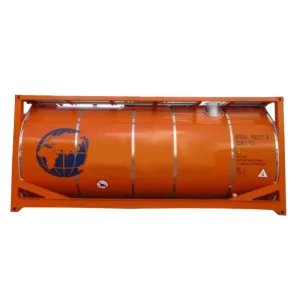
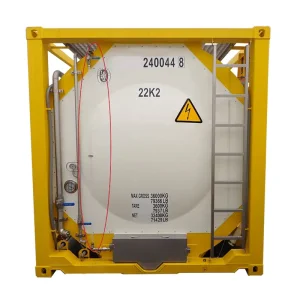
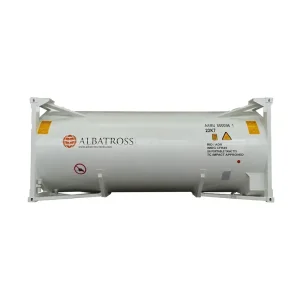
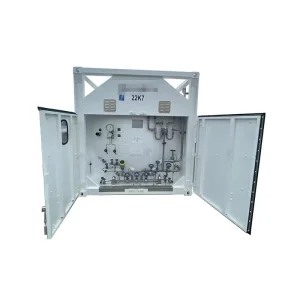
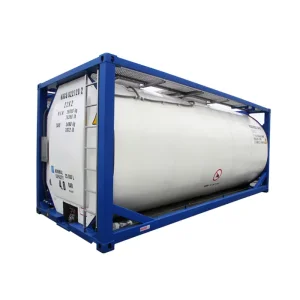
Precision-engineered ISO tank containers (T11, T14, T50, T75) tailored for the South American corridor. Empowering Argentina's energy, lithium extraction, agricultural oil, and specialty chemical export infrastructures.

Send Inquiry Now
Featured Fleet Portfolio

High-Spec ISO Tank Containers for Argentine Liquid Supply Chains

Engineered to international maritime and rail standards (ASME, IMDG, ADR, RID) for severe intermodal duties ranging from the Pampa humeda agricultural zones to Neuquén gas basins.
Strategic Industrial Analysis

Argentina's Expanding Liquid Logistics Matrix & Global Market Drivers

A comprehensive examination of local demand catalysts, the Vaca Muerta shale phenomenon, the Lithium Triangle transition, and global ISO tank supply chain optimization.

+14.2%
YoY Growth in South American ISO Tank Deployment
T11/T75
Primary High-Demand Configurations in Argentina
316L / 304
Sanitary Austenitic Stainless Steel Construction
<28 Days
Standard Manufacturing Cycle for Custom Fleets

1. The Argentine Industrial Landscape: Strategic Drivers for Bulk Liquid Transport

Argentina stands as one of the world's most dynamic industrial and resource-rich economies, characterized by deep intermodal logistics needs. Historically reliant on traditional drums and standard road tankers, Argentine industrial operators are rapidly converting their fleets to intermodal ISO tank containers to minimize transshipment losses, enhance structural safety, and comply with rigid environmental and maritime regulations.

Four primary sectors currently drive this technological transition:

  • The Vaca Muerta Hydrocarbon Complex: Located in the Neuquén Basin, Vaca Muerta hosts the world's second-largest shale gas and fourth-largest shale oil reserves. Exploitation requires staggering volumes of specialized stimulation chemicals, friction reducers, hydrochloric acid (HCl), and cross-linking agents. Standard flexitanks and road barrels are inadequate for these corrosive, volatile compounds. High-pressure T11 and lined T14 tank containers built from corrosion-resistant steels ensure safe transit from coastal blending plants directly to wellheads.
  • The Lithium Triangle of the Puna Plateau: Operating in Salta, Jujuy, and Catamarca, brine extraction processing requires millions of liters of reagents, including technical-grade hydrochloric acid, caustic soda (NaOH), and sodium carbonate solutions. The high altitude (3,500+ meters above sea level) and aggressive thermal fluctuations require ISO tank containers built with specialized thermal relief valves, reinforced chassis, and chemically inert fluoro-polymer linings (PTFE/PFA).
  • Agribusiness & Edible Oil Giants: Argentina is a global leader in soybean oil and biodiesel exports. The cluster along the Paraná River (Rosario port corridor) relies heavily on food-grade 20ft 316L stainless steel tanks equipped with high-efficiency steam heating coils to ensure seamless offloading of vegetable oils, fatty acids, and refined glycerol onto ocean-going bulk carriers.
  • Cuyo Wine & High-Purity Ethanol Operations: Mendoza and San Juan wineries require strict organoleptic integrity. Our specialized ISO tanks feature electrolytic polishing (Ra < 0.4 µm) and nitrogen blanket valves to preserve premium Malbec exports and agricultural bio-ethanol shipments destined for European and North American buyers.

2. The Global Supply-Demand Dynamics & The Chinese Manufacturing Advantage

On a macro scale, the global tank container fleet has exceeded 800,000 TEU, expanding at a CAGR of 6.8%. Geopolitical shocks, canal bottleneck risks, and stricter IMO / MARPOL safety protocols have triggered a massive worldwide pivot toward multi-modal containerization. Fleets must move fluidly across container ships, the Belgrano Cargas rail lines, and national highway networks without manual decanting.

While European manufacturing remains constrained by rising energy tariffs, structural labor shortages, and extensive lead times (often 9–14 months), Chinese manufacturing ecosystems have become the definitive global benchmark for high-reliability pressure vessels. As an elite Chinese manufacturer, our facility delivers an unmatched combination of engineering precision, economies of scale, and accelerated turnaround times:

Integrated Metallurgy & Traceability

Direct supply partnerships with tier-1 steel mills (TISCO, Baosteel) ensure fully certified austenitic stainless steel (316L, 304L, 2205 Duplex) with 100% heat-number traceability and rigorous Charpy V-notch impact validation.

Robotic Submerged Arc Welding

Full digital automated longitudinal and circumferential seam welding delivers uncompromised joint integrity, backed by 100% Non-Destructive Testing (RT / UT / PT) certified under ISO 9712 and ASNT frameworks.

Lead-Time & Cost Optimization

Strategically located near major seaports (Tianjin/Suzhou), our standardized lean assembly lines compress standard manufacturing schedules down to 20–30 days, slashing procurement overhead by 25–35% compared to Western builders.

Engineering Matrix: Technical Configurations for South American Transit

Every unit engineered for Argentina incorporates heavy-duty corner castings, robust anti-slosh baffle configurations, and specialized valving compatible with local Latin American discharge couplings.

ISO Tank Code Typical Volume Design Pressure Shell Metallurgy Primary Argentine Application
UN Portable T11 21,000 – 26,000 L 4.0 bar (test 6.0 bar) SS316L / SS304 Agrochemicals, biofuels, general solvents, edible oils (Rosario)
UN Portable T14 17,500 – 21,000 L 4.0 bar (test 6.0 bar) Carbon steel / Lined (PFA/FEP) Concentrated Hydrochloric Acid (HCl), Corrosives for Lithium Brine
UN Portable T50 24,000 – 24,500 L 22.0 – 34.0 bar High-Tensile Carbon Steel LPG, Anhydrous Ammonia, Propylene, Refrigerant gases
UN Portable T75 20,000 – 22,000 L 7.0 – 16.0 bar Inner: Austenitic SS / Outer: CS Cryogenic LNG, Liquid Nitrogen, Oxygen for Vaca Muerta field supply

3. Localized Engineering Adaptations for Argentine Operational Conditions

Deploying tank containers throughout Argentina poses distinct mechanical and environmental hurdles that off-the-shelf equipment cannot resolve. Our engineering teams incorporate critical localized design variants:

  • Patagonian Wind & Cold Resistance: Downstream operations near the Strait of Magellan and Comodoro Rivadavia encounter freezing sub-zero conditions. We supply 50mm to 100mm high-density polyurethane (PU) or rockwool insulation clad with weather-sealed GRP/marine-grade aluminum, supplemented by steam heating or integrated electric glycol heating elements to maintain flow viscosity for heavy fuels and crude additives.
  • High Altitude Dynamic Pressure Relief: Lithium transport corridors crossing Paso de Jama reach elevations where ambient pressure drops dramatically. We configure dual spring-loaded pressure relief valves and bursting discs calibrated to avoid premature venting while preventing vacuum collapse during rapid thermal descent to coastal ports.
  • Corrosion Protection Against Road De-icers and Coastal Salinity: Structural frames undergo automated steel shot-blasting to SA 2.5 standard, followed by high-build zinc-rich epoxy primers and aliphatic polyurethane topcoats exceeding 180 microns total thickness, guaranteeing endurance against Patagonian salt winds and wet mine tailings.

Plan Your Next Tank Fleet Delivery to Buenos Aires or Zárate

Our bilingual engineers (English/Spanish support) review your chemical CAS numbers and cargo manifests to prepare custom technical drawings within 24 hours.

Send Inquiry Now
Technical & Procurement FAQ

Frequently Asked Questions on Tank Container Sourcing for Argentina

Essential guidance on regulatory compliance, ocean shipping logistics, custom engineering, and maintenance protocols.

Which international certificates are provided for tank containers exported to Argentina?
Every tank container leaves our factory fully certified by leading IACS classification societies including Bureau Veritas (BV), Lloyd's Register (LR), or DNV. Compliance documents include UN Portable Tank (T-code), IMDG Code (maritime), ADR/RID (road/rail transport), US DOT, ASME Section VIII Division 1 stamping (where requested), and CSC certification. These certificates guarantee streamlined customs clearance at the Port of Buenos Aires, Dock Sud, and Zárate.
Can your factory provide custom linings for corrosive chemicals used in Argentine lithium extraction?
Yes. For highly aggressive media such as concentrated Hydrochloric Acid (HCl 33%), Hydrofluoric Acid blends, or high-purity battery salts, we engineer UN T14 / T20 containers lined with specialized PTFE, PFA, ECTFE (Halar), or heavy-duty vulcanized elastomeric rubber. Each lined unit is tested via high-voltage spark testing (up to 15,000V) to verify zero porosity and ensure absolute substrate isolation.
What is the standard shipping procedure from your Chinese factory to Argentine ports?
Because our production hubs in Tianjin and Suzhou are within 100 km of primary container ports, we offer multiple freight arrangements. Units can be shipped as "Shipper Owned Containers" (SOC) carrying harmless non-regulated liquid cargo on their maiden voyage to save freight costs, or transported clean and empty under deck on direct container lines to Buenos Aires, Zárate, or Bahía Blanca. Typical transit time is 35–45 days.
How do you accommodate Argentina's cold winter conditions for high-viscosity products?
For products like crude tallow, heavy bio-feedstocks, asphalt, or liquid bitumen, we install longitudinal stainless steel steam heating coils (effective heating area between 7.0 m² and 10.5 m²). Alternatively, we provide electrical heating systems (glycol trace heating or electric surface blankets) with integrated digital thermostats, encased beneath high-density insulation to maintain stable product temperature regardless of Patagonian winter extremes.
What is the typical lifespan and statutory inspection cycle for your ISO tank containers?
Manufactured with premium virgin austenitic stainless steel shells and weather-resistant Corten steel structural end-frames, our tank containers typically exceed a 20-to-25-year operational service life under proper maintenance. In accordance with international maritime regulations (IMDG), every unit requires a 2.5-year intermediate inspection (pneumatic pressure and valve check) and a 5-year periodic hydrostatic test (hydraulic vessel test up to 6.0 bar).