Macro Cold Chain Dynamics
The Geopolitical & Industrial Realities of Cold Storage in Serbia
Navigating landlocked logistics, seasonal harvest surges, and the emergence of Serbia as the Western Balkan intermodal nexus.
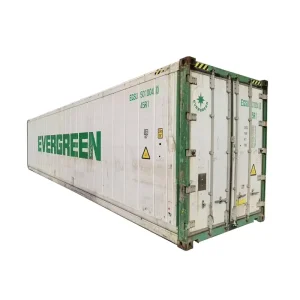
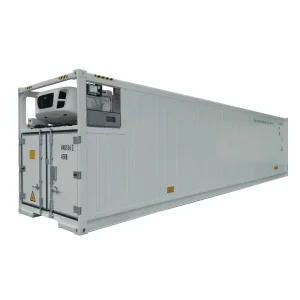
The Republic of Serbia occupies a singular strategic node in Southeastern Europe. Positioned at the critical intersection of Pan-European Transport Corridor X (connecting Central Europe to the Aegean and Black Seas) and Corridor VII (the Danube Inland Waterway), Serbia functions as the commercial distribution gateway for the entire Western Balkan peninsula. However, as an inland economy without sovereign ocean coastline, Serbia’s industrial supply chains rely intrinsically on multimodal intermodal transit corridors originating from deepwater maritime gateways: the Port of Rijeka in Croatia, the Port of Bar in Montenegro, the Port of Koper in Slovenia, and the southern maritime hub of Piraeus in Greece. Over 74% of high-value agricultural imports and temperature-controlled food exports enter or exit Serbian borders via 40ft High Cube intermodal refrigerated containers transferred from railheads to road chassis.
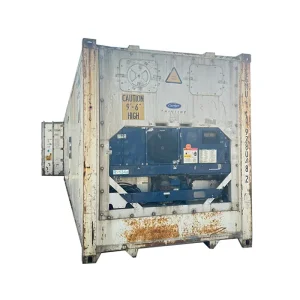
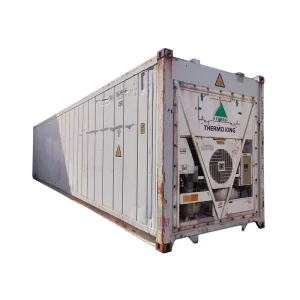
Over the past five years, the Serbian domestic market has witnessed an unprecedented structural crunch across stationary cold-storage infrastructure. The country remains a preeminent global exporter of frozen soft fruits—most notably raspberries (accounting for roughly 15-18% of aggregate global trade from regions such as Arilje, Ivanjica, and Čačak), blackberries, sour cherries, and plums. The agricultural production cycle in Serbia creates violent seasonal demand spikes for blast freezing (-25°C to -35°C) and long-term buffer cold storage (-18°C) between late June and October. Traditional brick-and-mortar ammonia or freon cold-storage facilities require massive capital expenditures (CAPEX) averaging €1,200 to €1,800 per square meter, lengthy municipal permitting timelines stretching up to 24 months, and rigid operational expenditure overheads during the winter lull. In direct response to these commercial frictions, used refrigerated shipping containers have emerged as the premier operational hedge for Serbian cooperatives, fruit aggregators, meat processors, and pharmaceutical third-party logistics (3PL) providers.
55%
CAPEX Savings vs. Built Cold Rooms
< 14 Days
On-Site Commissioning Velocity
±0.25°C
Thermal Precision for Serbian Berries
100%
Pre-Trip Inspection (PTI) Verification
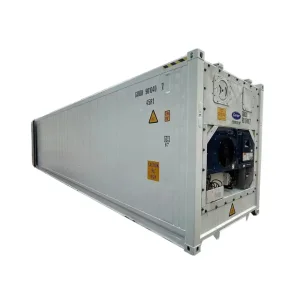
A second decisive industrial growth driver within Serbia is the pharmaceutical sector centered along the Belgrade-Novi Sad industrial axis. As home to manufacturing giants like Hemofarm (STADA Group) and Galenika, alongside a burgeoning cluster of international biotech distributors, Serbia operates under stringent alignment with European Union Good Distribution Practice (GDP) standards. Pharmaceutical distribution demands continuous cold chain custody (+2°C to +8°C and ambient controlled +15°C to +25°C). Certified, late-model used reefer containers equipped with Carrier PrimeLINE or Thermo King Magnum Plus digital scroll compressors provide the precise thermal envelope, fail-safe redundant monitoring, and low internal leakage rates demanded by pharmaceutical compliance audits without the sunk cost of permanent masonry buildings.