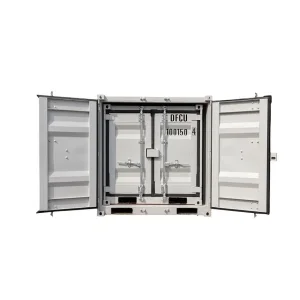
Direct-from-factory modular assets engineered with heavy-gauge Corten steel, advanced polyurethane insulation, and offshore structural compliance.
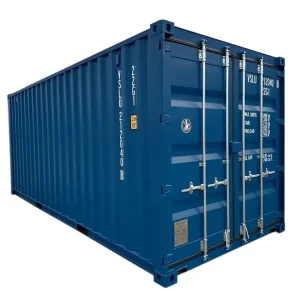
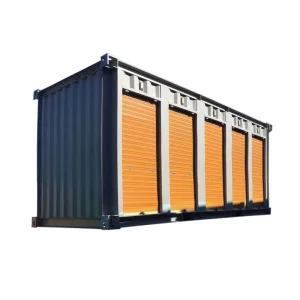
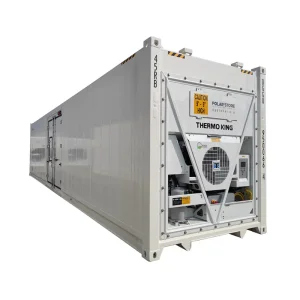
A critical evaluation of how fractional space engineering and decentralized urban logistics are driving industrial procurement away from monolithic assets toward nested modular infrastructure.
The contemporary global storage sector has witnessed an accelerated architectural transition. Historically, commercial warehousing relied on fixed 20-foot and 40-foot intermodal units. However, real-estate capitalization rates in key metropolises, coupled with rapid density increases across peri-urban distribution nodes, have propelled massive demand for micro-footprint equipment: specifically 4ft, 5ft, 6ft, 7ft, 8ft, 9ft, 10ft, and nested mini storage containers. These systems reconcile extreme physical durability with space optimization, offering exceptional ROI for self-storage operators, renewable project sites, and municipal utility providers.
Traditional small-format boxes incur severe ocean freight cost penalties when transported empty. Modern manufacturing overcomes this via "nesting" design—engineering interlocking 6ft, 8ft, and 10ft dimensions so three to four units fit seamlessly inside a parent container, slashing transatlantic transit expenditures by upwards of 68%.
Urban parcel consolidation requires high-density sorting in constricted industrial footprints. Deployable mini containers provide lockable, weather-tight, fire-rated temporary staging nodes directly on parking pads or narrow alley easements where conventional 40-foot chassis cannot maneuver.
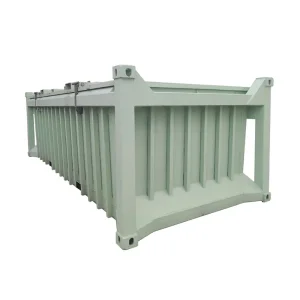
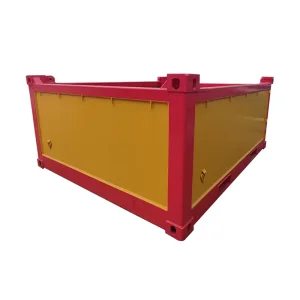
Small-footprint containers constructed to DNV 2.7-1 / EN 12079 structural standards satisfy stringent dynamic lift demands on offshore rigs, mining operations, and wind turbine service platforms, resisting saltwater corrosiveness and violent mechanical impacts.
Rigorous engineering benchmarks assessed by Fortune 500 procurement officers, construction asset managers, and global supply chain directors.
Demand for SPA-H weathering steel sheet cold-rolled panelling (1.6mm–2.0mm thickness) capable of forming a protective oxide layer against marine and high-humidity inland oxidation.
Multi-directional heavy-duty bottom pockets engineered with reinforced tubular steel collars to prevent chassis bending under unladen or fully loaded 10,000kg transport conditions.
Industrial zinc-alloy lockboxes with shrouded padlocks, matched with double-lip EPDM perimeter door seals delivering absolute wind-and-water-tight (WWT) cargo protection.
Selection between 28mm marine-grade certified bamboo-hardwood composites treated against insects, or 4.5mm checkered steel diamond plates for heavy chemical containment.
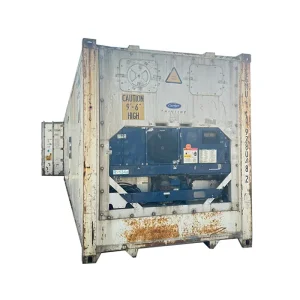
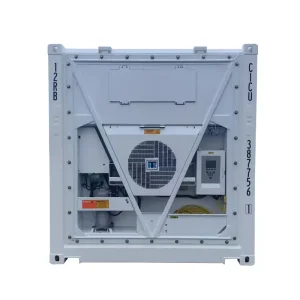
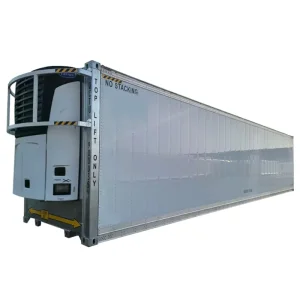
Configurable container hardware engineered to perform across high-stakes cold-chain logistics, mining sites, petrochemical refineries, and urban real-estate deployments.
Turnkey delivery of 4ft to 12ft mini storage modules allowing commercial landowners to convert vacant real estate into high-yield, drive-up self-storage businesses without ground-break construction permitting hurdles.
Specialized reinforced 10ft & 20ft container bodies customized with thermal barrier insulations, explosion-relief panels, and pre-cut intake ductwork to shelter BESS (Battery Energy Storage Systems) in grid installations.
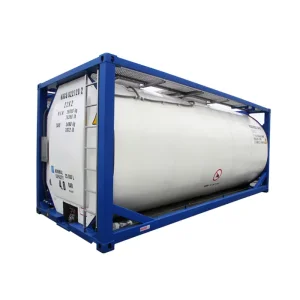
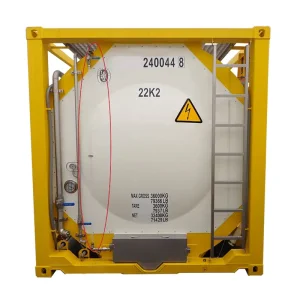
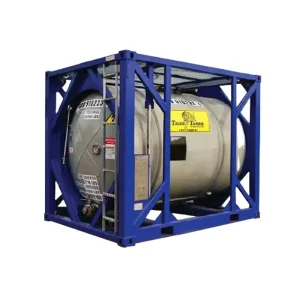
ISO-compliant frame tank solutions and explosion-proof spill-containment flooring options capable of handling flammable solids, volatile liquids, and industrial gas storage under stringent environmental mandates.
Operating two mega-scale production complexes in Tianjin and Suzhou, situated strategically within 100 kilometers of deepwater ports to ensure zero-delay container deployment.
Direct oversight and multi-body certification guarantee that every unit leaving the assembly line complies strictly with destination-market statutory mandates.
Third-party structural weld stress testing, dynamic corner-casting pull inspections, and ISO 1496 load certification verify every shipping container's ocean-worthiness.
Stringent metallurgical chemistry tracking, Charpy V-notch impact validation at -20°C, and accredited offshore pad eye load testing for severe open-sea operational safety.
Comprehensive mill test reports (MTR), automated paint dry film thickness (DFT) verification logs, and serialized quality documentation delivered with every international consignment.
Continuous technical evolution targeting lifecycle emissions, telematics integration, and automated robotic assembly.
Transitioning all automated spray booths to eco-formulated waterborne polyurethane coatings, lowering environmental toxicity while maintaining a 15-year marine anti-corrosion barrier.
Direct structural integration of solar-recharged GPS, accelerometer, and interior temperature sensors inside container corner posts for complete real-time fleet telematics.
Deploying recycled composite panels in non-load-bearing roof and wall skins to reduce deadweight by 18%, accelerating payload utilization and decreasing transit carbon footprint.
Automated laser precision cutting and multi-axis welding arms to guarantee 100% tolerance consistency across nested mini sets, enabling effortless job-site nesting and extraction.
Technical insights compiled by our lead manufacturing and export logistics engineers.
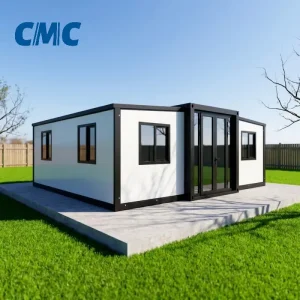
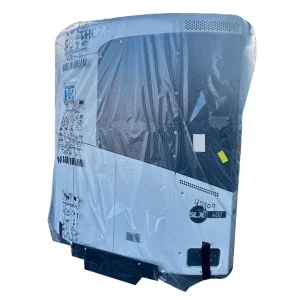
Explore our heavy-duty chemical tanks, modular living spaces, mobile power units, and high-cube refrigeration container solutions.