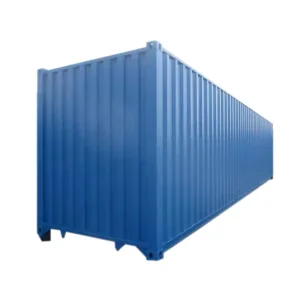
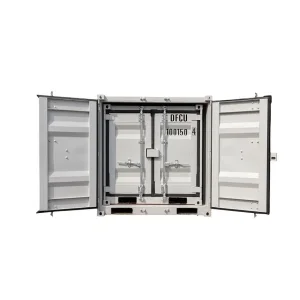
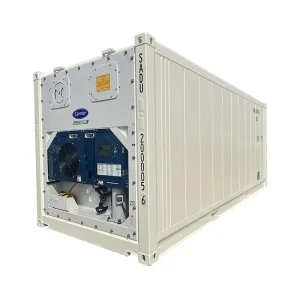
Immediate dispatch options, custom builds, and intermodal configurations verified to ISO, CSC, and BV classification parameters from premier Chinese manufacturing hubs.
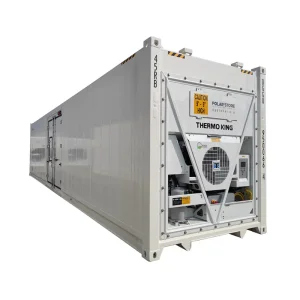
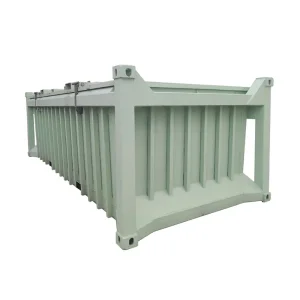
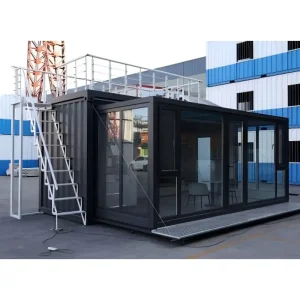
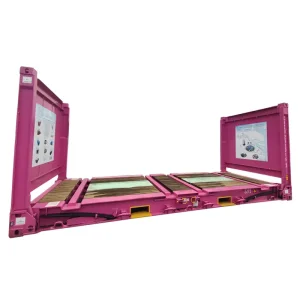
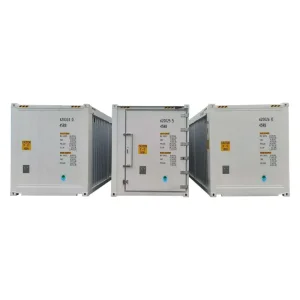
Evaluating the multi-modal shift toward full lateral access: How side-door architectures eliminate the cross-dock bottleneck in international high-throughput supply chains.
In modern intermodal freight logistics, standard end-door containers impose severe constraints on operational velocity when addressing oversized, heavy-density, or irregularly packaged industrial commodities. The conventional end-loading paradigm demands sequential packing (first-in, last-out), turning mid-transit cargo sorting into a logistics impossibility and necessitating long fork reaches that elevate cargo strike damage risks. The engineering response has been the rapid adoption of Side Open Door Containers (also denominated as Full Side Access, Open Side, or Bi-Fold Wing-Door units).
Across North American, European, and Asia-Pacific supply chains, industrial manufacturing facilities are reconfiguring intermodal strategies around side-access infrastructure. By transforming an entire 20-foot or 40-foot longitudinal sidewall into an articulated, fully weatherproof door matrix, side-open containers unlock rapid forklift loading from grade or flatbed levels. Pallet turnaround times drop by up to 68% in cross-dock terminal operations, while machinery assemblies measuring beyond 5.8 meters—historically relegated to high-tariff flat-rack or breakbulk vessels—can now be stowed, lashed, and protected inside a sealed, dry ISO envelope.
The industrial versatility of side-open configurations extends well beyond palletized dry consumer cargo. Heavy manufacturing ecosystems utilize these units as standardized mobile modules for sophisticated skid-mounted equipment:
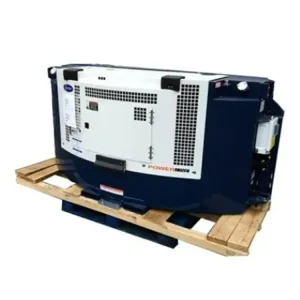
Direct integration of battery energy storage systems (BESS), inverters, and heavy containerized diesel generators requiring lateral cooling ventilation and immediate maintenance walk-in bays without unit deconstruction.
Chemical reverse-osmosis skids, membrane vessels, and auxiliary high-pressure pumps mount firmly to the floor channels, allowing field technicians immediate perimeter service access on remote mining sites.
Coupled with Carrier, Daikin, or Thermo King refrigeration machinery, side doors permit segregated zone access, preventing core temperature leakage across unaffected pallets during multi-drop regional distribution.
How tier-one factories solve structural deflection, racking shear stresses, and water ingress through high-yield steel section reinforcements.
In standard ISO freight containers, the corrugated steel sidewalls act as deep structural shear webs, bearing continuous racking, bending, and vertical stacking loads. When an entire longitudinal wall is excised to accommodate side-swing doors, the structural integrity of the container is fundamentally challenged. Factory engineering must prevent top-rail sagging and maintain cross-diagonal rigidity during 9-high fully laden container stacking (up to 192,000 kg stacking limit per corner post).
To overcome this, certified container factories deploy reinforced composite box-section top side rails and heavy fabricated lower side sills constructed from SPA-H atmospheric corrosion-resistant Corten steel. High-tensile steel corner castings (SCW480 or equivalent) transfer dynamic stresses into reinforced end frames, ensuring that vertical deflection under full payload remains within strict ISO 1496-1 tolerance limits (less than 6 mm under extreme dynamic rail shunting).
| Engineering Attribute | 20ft High-Cube Side Open | 40ft High-Cube Full Side Open | Reefer Side Open (Insulated) |
|---|---|---|---|
| External Dimensions (L×W×H) | 6,058 × 2,438 × 2,896 mm | 12,192 × 2,438 × 2,896 mm | 12,192 × 2,438 × 2,896 mm |
| Door Opening Width (Clearance) | 5,702 mm (Full Side Open) | 11,820 mm (Continuous Aperture) | 5,600 mm (Dual Segment Insulated) |
| Structural Steel Grade | Corten-A / SPA-H (Yield ≥ 345 MPa) | High-Tensile SPA-H / Q345D | SPA-H Framing + SUS304 Liner |
| Flooring Subsystem | 28 mm Marine Plywood / Steel Checker | 28 mm Keruing / Apitong Hardwood | Extruded Aluminum T-Floor System |
| Max Gross Weight (MGM) | 30,480 KG (67,200 LBS) | 32,500 KG (71,650 LBS) | 34,000 KG (74,950 LBS) |
| Weatherproof Sealing | EPDM Double Lip Co-Extruded | EPDM Automotive Profile + Rain Flange | Dual-Density Cryogenic Neoprene |
| Stacking Test Certification | 192,000 KG (9-High Laden) | 192,000 KG (9-High Laden) | 192,000 KG (CSC / BV Certified) |
The door hardware on industrial side-open containers must balance two contradictory engineering challenges: effortless manual opening by yard personnel and immense hydraulic pressure resistance when handling granular or shifting internal cargo. Top-tier factories deploy forged Corten-steel locking bars with case-hardened cams and keepers, spaced at mathematically determined intervals along the bottom sill and roof header.
Each bi-fold segment utilizes heavy-duty stainless steel hinge pins embedded with self-lubricating sintered bronze bushings. When closed, overlapping labyrinth seals compress EPDM gaskets with a controlled 35% deformation ratio, completely preventing dynamic water ingress during Force 10 maritime gales and continuous high-pressure sea spray.
Direct manufacturer price ranges, bulk export tiers from Chinese manufacturing clusters, and technical variables determining final landed cost.
Procuring side open door containers directly from manufacturing facilities in Tianjin, Qingdao, and Suzhou provides significant cost advantages over regional third-party leasing agents. However, unit pricing fluctuates based on global hot-rolled steel coil benchmarks, zinc-rich primer indices, and specialized door customization hardware.
| Container Model & Configuration | Standard Factory FOB (1-4 Units) | Fleet Volume FOB (≥ 10 Units) | Production Lead Time | Key Cost Determinant |
|---|---|---|---|---|
| 20ft Standard Side Open (One Side Open) | $3,850 - $4,600 | $3,400 - $3,950 | 15 - 20 Days | Structural top rail reinforcements |
| 20ft High Cube Both Sides Open (Dual Access) | $4,800 - $5,600 | $4,250 - $4,850 | 20 - 25 Days | Dual-side continuous header boxes |
| 40ft High Cube Full Side Open (Continuous) | $7,200 - $8,800 | $6,500 - $7,600 | 25 - 30 Days | Deflection compensation beams |
| 40ft High Cube Side Open Reefer (Carrier Unit) | $18,500 - $22,800 | $16,900 - $19,800 | 30 - 40 Days | Insulated door thermal bridge breaks |
| 20ft DNV 2.7-1 Offshore Side Open Container | $7,900 - $10,500 | $7,100 - $8,900 | 30 - 35 Days | Charpy impact tested steel & DNV survey |
While an open-side container carries a 25% to 35% capital expenditure premium over a standard end-door dry box due to complex hinge fabrication and heavier structural sections, the payback timeline in active logistics hubs is swift:
Direct lateral loading eliminates internal hand-pallet-truck staging. Two forklift passes load an entire 40ft container in 18 minutes vs. 75 minutes for end-stuffing.
Oversized machinery fits directly inside the container envelope, bypassing expensive breakbulk ocean freight tariffs and open-top flat-rack surcharges.
Cargo is lashed directly against heavy floor recessed rings (up to 5,000 kg capacity each) from both sides, preventing shifting and product claims.
Side-open containers preserve high secondary-market liquidity, commanding a 45-60% resale price premium over standard boxes on the used depot market.
Navigating maritime safety certifications, customs transit carnets, and environmental surface treatment mandates across international jurisdictions.
Operating side-door containers across global intermodal corridors requires strict conformity with statutory maritime regulations. A non-compliant open-side container risks detention at ocean terminals, failure during rail transshipment, or customs seizure. Reputable Chinese manufacturing facilities provide exhaustive documentation packs with every export batch:
Every unit receives an international Container Safety Convention (CSC) data plate verified by classification societies such as Bureau Veritas (BV), ABS, LR, or CCS, guaranteeing compliance for 9-high stacking.
Articulated side doors incorporate tamper-evident customs sealing apertures across all locking rods, meeting international customs transit requirements under sealed TIR carnets.
Meeting European Union (REACH) and California CARB volatile organic compound thresholds through robotic application of waterborne zinc-rich primers and polyurethane topcoats.
Logistics friction at the origin directly inflates landed container prices. CIMIC manufacturing bases in Tianjin and Suzhou are strategically positioned within 100 kilometers of major deep-water container terminals (Port of Tianjin and Port of Shanghai/Taicang). This geographic optimization enables 'One-Way Freight' export positioning—where newly minted side-open containers carry export revenue-generating dry cargo on their maiden voyage, effectively subsidizing the ocean repositioning freight to Rotterdam, Hamburg, Long Beach, or Melbourne.
Anticipating the technological horizon of modular intermodal hardware from 2025 through 2035.
The intermodal equipment sector is undergoing rapid digitization and materials transformation. Factory R&D teams are pioneering advancements designed to make side-open units lighter, stronger, and digitally integrated into automated supply chain networks:
Direct integration of continuous perimeter sensors and accelerometers embedded within the top header rail, broadcasting unauthorized side-door micro-movements via satellite or 5G LPWAN directly to cargo owners.
Selective replacement of corrugated steel door leaves with carbon-fiber-reinforced polymer (CFRP) cores, reducing tare weight by 14% while enhancing thermal barrier performance in reefer configurations.
Pneumatic assisted and electro-mechanical door deployers for military, disaster relief, and rapid emergency power deployments, allowing remote opening of full side profiles in under 45 seconds.
Direct answers from factory engineering leads concerning tolerances, customization parameters, and export certifications.
Side-open containers feature an engineered gutter overhang and a multi-tiered labyrinth seal. EPDM gaskets are continuously vulcanized around each door panel perimeter, backed by mechanical compression cams that provide consistent seal deformation across temperatures ranging from -40°C to +80°C.
Yes. All factory-certified units comply with ISO 1496-1 stacking test protocols. The upper side header is engineered using an oversized tubular structural section that transfers loads directly into heavy-gauge corner posts, sustaining dynamic stacking loads of up to 192,000 kg.
For standard catalog side-open models, MOQ can be as low as 1 unit for in-stock depot inventory. For bespoke engineered modifications (such as special internal heights, hazardous chemical drain sumps, or custom electrical cutouts), factory production line runs typically start at 2 to 4 TEU.
Standard builds feature 28mm Australian-quarantine-approved Keruing or Apitong marine-grade hardwood plywood. For severe industrial duty, factories install 4.5mm or 6.0mm anti-slip diamond checker steel plate, fully stitch-welded to the transverse floor cross-members with integrated drain plugs.
Due to the structural reinforcement of the top rail, bottom sill, and additional door hardware, a 20ft side-open container has an increased tare weight of approximately 800 to 1,100 kg compared to a standard dry box. However, Maximum Gross Mass remains certified up to 30,480 kg, yielding an expansive net payload capacity.
Yes. Reefer conversions integrate standard machinery from global OEMs including Carrier Transicold, Thermo King, and Daikin. All warranties, diagnostic electronics, and spare component distributions remain supported through worldwide OEM certified marine service networks.
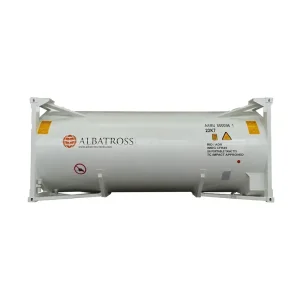
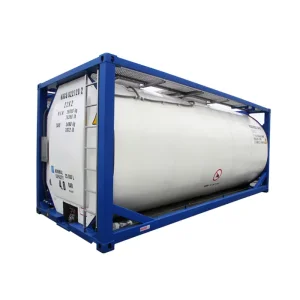
Complete your fleet portfolio with high-performance ISO tank containers, certified dry cargo units, and temperature-controlled cold room modules.