Certified under Bureau Veritas (BV), ISO 1496-1, and DNV 2.7-1 specifications for extreme maritime stability, heavy-payload density, and high cold-chain efficiency.
Navigating macro supply chain fluctuations, structural steel index movements, and regional trade imbalances requires procurement managers to adopt rigorous total-cost-of-ownership (TCO) matrices.
Empty container repositioning accounts for nearly 20% of global port handling costs. Purchasing one-way new builds (SOC — Shipper Owned Containers) loaded with regional cargo allows global freight forwarders to bypass escalating demurrage fees and container detention penalties across Trans-Pacific and European corridors.
International maritime safety mandates CSC (International Convention for Safe Containers) safety approval plates stamped under third-party survey. CIMIC collaborates directly with Bureau Veritas (BV), Det Norske Veritas (DNV), and Lloyd's Register to verify corner casting metallurgy, weld sonic integrity, and transverse racking resistance.
Standard dry shipping containers engineered with SPA-H weathering corten steel maintain an operational maritime life of 12 to 15 years, followed by another 10 to 20 years in secondary storage, agricultural logistics, or architectural conversions, providing enterprise fleets with exceptional residual amortization.
From micro-gap robotic welding lines to cryogenic inner vessels, each CIMIC manufacturing unit operates under tight structural tolerances and ISO dimensional parameters.
Standardizing on cold-rolled atmospheric corrosion-resistant Corten steel (0.55% copper-chromium-nickel alloy) ensures an inert protective patina develops when exposed to maritime salinity, preventing the deep structural oxidation that plagues conventional carbon steel frames.
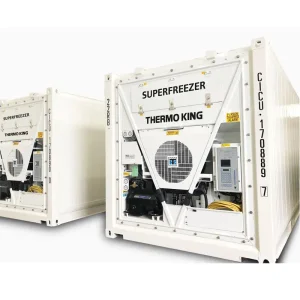
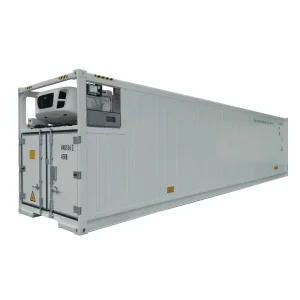
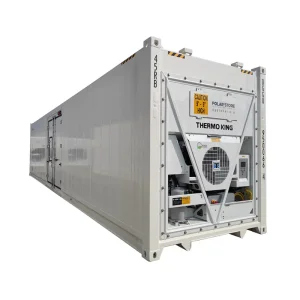
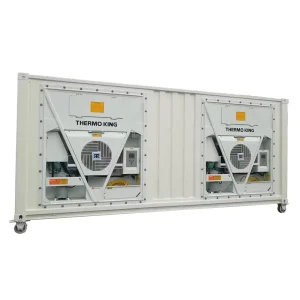
Reefer enclosures seamlessly dock Carrier PrimeLINE, Daikin LXE10E, or Thermo King Magnum Plus high-efficiency scroll compressors. Multi-stage PID controllers maintain temperature consistency within ±0.25°C from -35°C to +30°C, paired with non-HCFC cyclopentane foam injection.
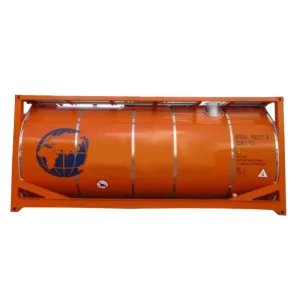
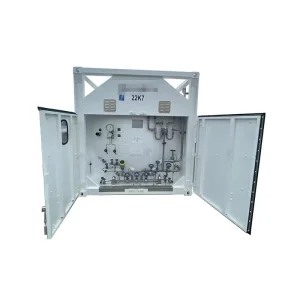
Specialist tank containers utilize vacuum multi-layer insulation wrapping an SA-240 304/316L stainless steel interior cylinder. Tested under rigorous cryogenic conditions for safe long-distance maritime handling of liquid argon, nitrogen, oxygen, and liquefied natural gas (LNG).
| Container Model & Type | Primary Metallurgy / Shell | Tare Weight (kg) | Max Gross Mass (kg) | Certified Standards | Typical Payload Target |
|---|---|---|---|---|---|
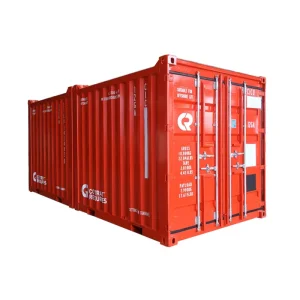
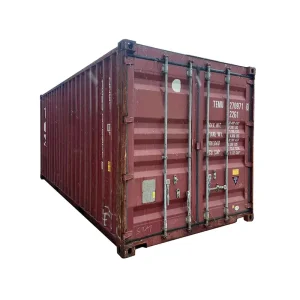
| 20ft Standard Dry ISO | SPA-H Corten Steel (1.6 - 2.0 mm) | 2,180 – 2,250 kg | 30,480 kg | ISO 1496-1 / BV | Dense manufactured freight, minerals, dry retail |
| 40ft High Cube (HC) Dry | SPA-H Corten / Pressed Corrugated | 3,850 – 3,920 kg | 32,500 kg | ISO 668 / TIR / BV | Volumetric consumer goods, textiles, automotive parts |
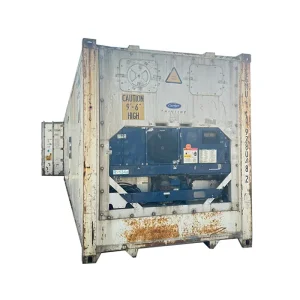
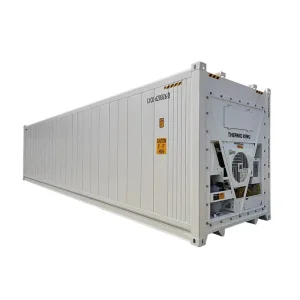
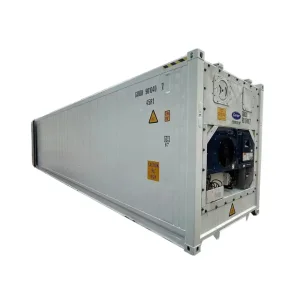
| 40ft HC Certified Reefer | SUS304 Stainless / Alufloor / PU Foam | 4,420 – 4,600 kg | 34,000 kg | ATP / ISO / CE / BV | Pharma, fresh produce, seafood, frozen protein |
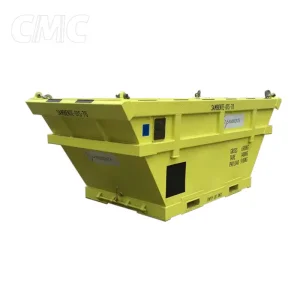
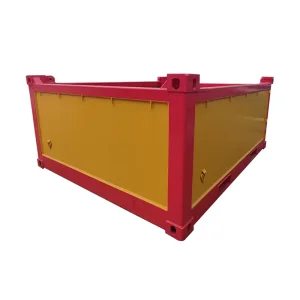
| DNV 2.7-1 Offshore Basket | High-Yield Structural S355 Steel | Project Specific | Project Specific | DNV GL 2.7-1 / EN 12079 | Drill pipes, subsea valves, offshore rigging assets |
| T75 Cryogenic ISO Tank | ASME SA-240 316L / Outer Carbon | 7,800 – 8,200 kg | 36,000 kg | IMDG / ASME / ADR / RID | Cryogenic liquids, industrial gases, LNG, high-purity water |
Intermodal containers engineered by CIMIC perform reliably across diverse operational extremes, from Arctic supply corridors to tropical maritime humidity.
Double-stack rail networks (BNSF, Union Pacific) place extreme stress on bottom side rails and corner castings. CIMIC high-cube dry containers withstand severe longitudinal shock forces during humping operations, fully complying with AAR (Association of American Railroads) mechanical standards.
European pharmaceutical and perishable cargo logistics mandate strict ATP compliance and verifiable temperature datalogging. Our reefers feature remote telematics modules (cellular and satellite) compatible with mainstream Fleet Management Systems (FMS) for end-to-end auditability.
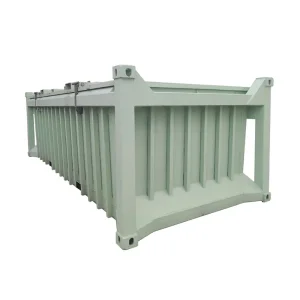
Heavy sea state conditions require DNV 2.7-1 and EN 12079 certified dry cargo offshore units, half-height ore bins, and silt baskets equipped with specialized four-part sling sets to ensure safe dynamic lifting between offshore supply vessels (OSVs) and deepwater drilling rigs.
Railway lines spanning China, Central Asia, Russia, and Europe experience temperature swings from -40°C in Siberia to +35°C in transit. Specialized dual-fuel genset-equipped reefers and thickened insulation dry boxes guarantee thermal stability across multi-gauge track transfers.
Mining camps, agribusiness packhouses, and remote military bases deploy CIMIC side-open and roll-up door reefers as turnkey modular refrigeration hubs, avoiding expensive permanent brick-and-mortar building permits and long construction timelines.
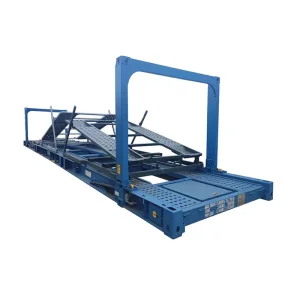
Automobile logistics providers leverage our internal racking 20ft and 40ft car carrier special containers to safely stow 3 to 4 passenger vehicles or EV chassis per container, significantly reducing single-unit transit damage compared to open pure car/truck carriers (PCTC).
Strategic production facilities located within 100 kilometers of Tianjin Xingang and Shanghai/Taicang ports provide unmatched raw material access and vessel dispatch speed.
Proximity to premier Chinese steel mills (HBIS Group, Baosteel) ensures guaranteed allocation of hot-rolled Corten-A coil, specialized corner casting forgings, and marine-grade plywood or bamboowood composite floorings, shielding procurement schedules from worldwide raw material bottlenecks.
Our plants deploy synchronized robotic arc welding systems for side-panel corrugation, roof sheets, and bottom perimeter rail assemblies. This eliminates localized structural stresses, ensures pinhole-free seam integrity, and achieves continuous wind-and-water-tight (WWT) reliability.
With manufacturing facilities positioned ~100 km from major seaport gates, newly built containers bypass domestic rail repositioning dead-legs. Completed equipment is inspected, certified, and transferred straight to port terminals, cutting land transit lead times down to under 24 hours.
Every container manufactured by Tianjin Cimic Imp&Exp Co., Ltd. undergoes rigorous static, dynamic, and non-destructive testing before factory-gate release.
Corner posts and corner castings are tested to withstand 86,400 kg of superimposed static load (equivalent to nine fully loaded 40ft containers stacked above). Transverse and longitudinal racking tests confirm frame rigidity under turbulent sea conditions.
Offshore container models undergo vertical drop tests from 1.5 meters onto a rigid, unyielding surface, followed by multi-angle dynamic snatch lifting tests. Full Non-Destructive Testing (NDT / Dye Penetrant) is performed on all structural padeye welds.
Steel surfaces undergo automated SA 2.5 blast cleaning to remove mill scale, followed immediately by zinc-rich epoxy primer, epoxy intermediate barriers, and acrylic or polyurethane marine finish coats (≥120μm total DFT), backed by 5-year anti-corrosion warranties.
Strategic buyers weigh initial factory acquisition costs against recurring lease overheads, positioning expenses, and local maintenance costs across multi-year operational cycles.
Deploying Shipper Owned Containers (SOC) eliminates demurrage charges that frequently exceed $150 to $300 per day at congested discharge terminals. When transit times lengthen, SOC units protect importers from open-ended container rental liability.
Custom orders can specify anti-theft lockboxes, bamboo-composite floors, roller shutter doors, full-length side access panels, or specific brand livery schemes directly on the factory floor, avoiding expensive post-import modifications.
We accommodate diverse procurement structures: FOB Tianjin / Shanghai, CIF major destination ports, or loaded "one-way export" arrangements where containers carry paying cargo on their maiden voyage, minimizing net landed positioning cost.
From extreme cryogenic vessels to certified pre-owned dry boxes, explore our specialized inventory ready for worldwide export dispatch.
Direct engineering and export insights covering dimensions, certifications, delivery modes, and customization guidelines.
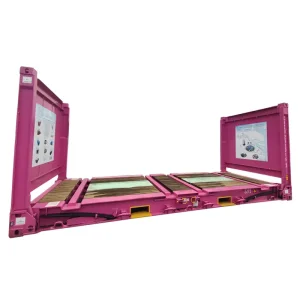
Standard dry and refrigerated containers are supplied in 10ft, 20ft, 20ft High Cube, 40ft, and 40ft High Cube footprints. Specialty engineering covers custom dimensions, side-opening access doors, roll-up shutter portals, half-height ore carrier profiles, platform flats, and DNV offshore units engineered directly to your operational load specifications.
Our active cold-chain containers are equipped with frontline refrigeration units from Thermo King, Daikin, and Carrier. This allows procurement officers to match internal fleet assets with local service station coverage and spare parts networks worldwide.
CIMIC operates under certified ISO 9001 quality management systems and holds marine classification survey approval through Bureau Veritas (BV). Our offshore containers comply with DNV 2.7-1 / EN 12079 dynamic lifting and material traceability protocols.
Yes. Fleet operators can order standardized catalogue units or collaborate directly with our engineering team for bespoke builds: modified door layouts, specific interior insulation thicknesses, ventilation louvers, integrated fuel tanks, sub-floor heating, and customized corporate livery.
New build units ship directly from our dedicated production complexes in Tianjin and Suzhou, located ~100 km from major sea terminals. In addition, certified used containers are maintained across key Chinese coastal shipping ports for rapid dispatch.
MOQs depend on the complexity of structural tooling. Standard new dry and used containers feature flexible, low MOQs, while custom-engineered frames and specialized tank vessels are planned on a project batch basis to maximize factory tooling and freight efficiency.
Connect with CIMIC’s intermodal design team to receive detailed CAD/3D container drawings, structural load calculations, and competitive FOB/CIF quotation schedules within 24 hours.
