
Insulated Unit
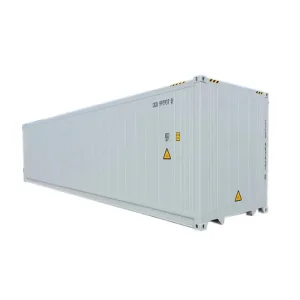
Explore heavy-duty intermodal equipment, cold-chain units, and offshore certified modular solutions manufactured with precision ISO corner castings and heavy-load foot assemblies.
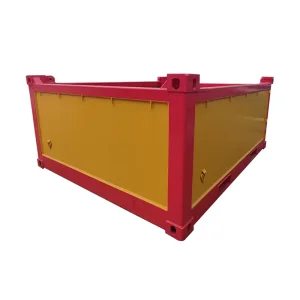
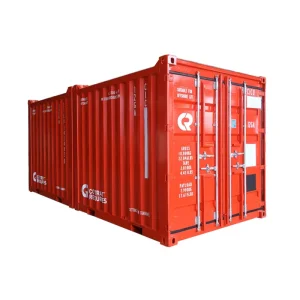
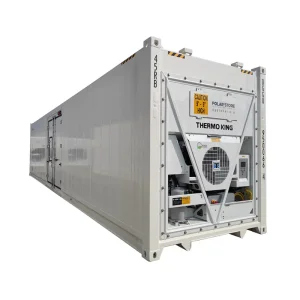
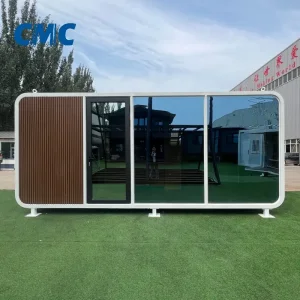
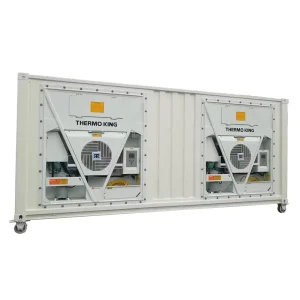
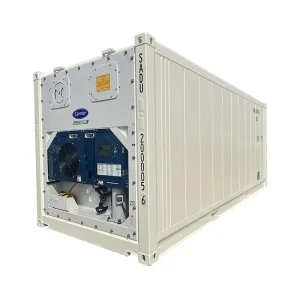
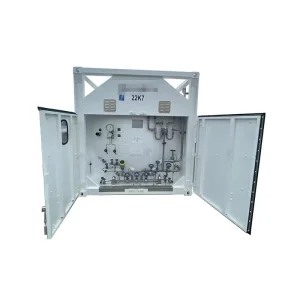
In global multi-modal logistics and modular engineering, the term "shipping container feet" encompasses two vital structural mechanisms: standardized ISO 1161 corner castings (specifically bottom corner blocks where stacking and tie-down loads converge) and heavy-duty leveling foundation feet / jack legs used for static positioning and site integration.
ISO corner feet must withstand dynamic shock loads up to 150 metric tons per corner column during container vessel stacking. Chinese tier-1 foundry operations use deoxidized fine-grain SCW480 cast steel, balanced with manganese and carbon for maximum yield strength (≥ 280 MPa) and tensile durability (≥ 480 MPa).
Standard intermodal hardware risks catastrophic failure when transitioning into sub-arctic shipping lanes or blast freezing facilities. Rigorous metallurgical auditing demands Charpy impact testing exceeding 27 Joules at -40°C, verifying structural integrity under high-frequency rail resonance and arctic ocean roll.
Every corner casting foot interface is machined to strict millimetric tolerances (±1.5mm) in compliance with ISO 668 and ISO 1161 standards. The aperture geometry is calibrated to enable automated twistlock coupling on container ship spreaders, straddle carriers, and intermodal skeletal chassis without jamming.
Over 90% of global container production and structural corner components originate from specialized industrial manufacturing corridors in China. Understanding this supply chain ecosystem allows international purchasers to bypass domestic markup layers.
Our centralized manufacturing hubs in Tianjin and Suzhou are positioned approximately 100 kilometers from tier-1 deepwater berths. This strategic geographical proximity minimizes overland drayage costs, prevents handling damage, and accelerates FOB vessel staging within hours of final quality sign-off.
Direct integration with certified domestic blast-furnace steel mills provides predictable raw steel material allocations. Large-scale bulk processing insulates enterprise buyers from international price volatility and ensures consistent metallurgical traceability across heat numbers.
From CAD drawing release to finite element stress analysis (FEA), mold casting, and full physical testing, custom architectural leveling feet or specialized crane lifting foot plates can be developed and certified in under 25 business days for time-sensitive global bids.
Consistently meeting strict quality requirements for shipping lines, offshore exploration, and infrastructure projects worldwide.
Container foot castings and site anchor systems must meet rigorous international legal, maritime, and life-safety codes. Procuring sub-standard corner feet results in cargo rejection at intermodal rail heads, insurance repudiation, and dangerous structural collapse.
Every casting lot undergoes strict chemical spectrometry analysis and automated magnetic particle flaw detection. Bureau Veritas oversees factory audits, batch material tests, and hydrostatic seal verification to ensure compliance with the International Convention for Safe Containers (CSC).
For harsh marine drilling environments, standard shipping container feet are insufficient. DNV certification requires dynamic lifting evaluations at severe sea states (Hs ≥ 2.5m). Offshore container bottom feet are subjected to rigorous multi-point sling snatch tests and extreme sub-zero impact resistance trials.
When repurposing container units for commercial offices, data centers, or emergency hospital clinics, ground foundation leveling feet must conform to local building regulations (such as US IBC codes and Eurocode 3). Foot baseplates are designed to distribute heavy point loads evenly across concrete piers or compacted gravel.
How container corner feet, leveling pedestals, and anchoring plates serve mission-critical roles across varied industry environments.
Standardized bottom corner castings absorb compressive forces from 9-high container stackings on trans-oceanic vessels and handle lateral g-forces during rail shunting without geometric distortion.
Refrigerated containers require elevated, rust-proof support legs to keep the T-floor clean, assist condensate drainage, protect refrigeration circuits, and ensure dock-height alignment with loading bays.
Cryogenic tank containers (such as T75 liquid gas tanks) use specialized reinforced lower corner feet to isolate the inner vacuum vessel from thermal bridging and road vibrations.
Adjustable screw-jack leveling feet allow rapid installation of flat-pack modules, Apple office pods, and site shelters on uneven grade without the cost of poured concrete foundations.
Match your operational environment, load profile, and certification requirements with the appropriate container feet configuration before issuing an RFP.
| Foot Type / Node Class | Primary Material Grade | Rated Dynamic / Static Load | Key Compliance Standard | Recommended Operating Environment |
|---|---|---|---|---|
| Standard Bottom Castings (BL & BR) | SCW480 Cast Carbon Steel | 150,000 kg Stacking / 30,480 kg Racking | ISO 1161 / CSC | Standard dry freight, intermodal trucking, global sea transport. |
| Offshore DNV Heavy Foot Castings | Low Alloy Cast Steel (Impact -40°C) | Dynamic factor 2.5x to 3.0x WLL | DNV 2.7-1 / EN 12079 | Offshore drilling rigs, subsea operations, FPSO deck modules. |
| Screw-Jack Architectural Leveling Feet | Q235B / Q355B Galvanized Structural Steel | 8,000 kg – 25,000 kg per position | EN 1090 / IBC 2021 | Modular office cabins, container houses, temporary medical pods. |
| Heavy Equipment Demountable Legs | High-Tensile Tubular Steel (Drop-pin) | 12,500 kg per leg (Self-loading) | DIN 70014 / STANAG | Self-loading tactical shelters, mobile generator arrays, job-site field units. |
Key structural engineering innovations transforming modern container corner castings and foundation feet.
New container foundations incorporate built-in piezoelectric load cells and tri-axial vibration accelerometers inside corner nodes. These IoT-enabled feet monitor container deck loads, alert to uneven weight distribution, and detect extreme port impacts in real time.
Modern Chinese foundries use induction electric arc smelting with closed-loop baghouse filtration, reducing carbon intensity per casting ton by over 32%. This sustainable metallurgy helps buyers meet Scope 3 ESG emissions mandates without compromising tensile strength.
For multistory modular construction, new cam-action locking feet eliminate the need for time-consuming on-site welding. These quick-connect anchors deliver verified shear and uplift resistance in earthquake-prone zones and high-wind coastal environments.
Detailed technical answers for procurement managers, freight forwarders, and structural engineers.
ISO corner castings are standardized cast steel blocks welded into all eight corners of a shipping container, manufactured to ISO 1161 standards. They feature standardized apertures for twistlocks, lashing bars, and container chassis pins. Leveling feet, by contrast, are adjustable mechanical screw jacks or pinned pedestals mounted onto the bottom ISO corner castings to level and stabilize the container on uneven terrain for static uses like modular housing, cold rooms, or site offices.
ISO corner feet are typically manufactured from cast carbon steel grade SCW480 (in accordance with JIS G5102) or equivalent ASTM A27 Grade 70-36. The material must provide a minimum yield strength of 280 N/mm² and tensile strength between 480 and 620 N/mm², with an elongation rating exceeding 20% to prevent brittle failure under heavy dynamic shock loads.
No. Standard CSC container corner feet lack the Charpy V-notch low-temperature impact resilience and dynamic fatigue capacity required for offshore lifting. Offshore container feet must be designed and certified to DNV 2.7-1 (or EN 12079 / ISO 10855) standards, which mandate steel grades capable of absorbing shock loads at -20°C or -40°C in high-salinity marine environments.
Leveling feet typically feature an integrated twistlock head that locks into the container's bottom corner aperture. The lower base plate includes pre-drilled holes for anchoring to concrete footings, slab foundations, or helical ground screws using heavy M20/M24 mechanical wedge anchors or chemical epoxy rods, delivering reliable wind uplift and seismic resistance.
Standard ISO 1161 casting sets (sets of 8: 2 TL, 2 TR, 2 BL, 2 BR) are kept in continuous stock with immediate port dispatch. Custom engineered architectural leveling feet or specialized crane lifting foot plates typically require an MOQ of 20 to 50 sets, with production lead times of 15 to 25 days depending on tooling and heat treatment requirements.
Explore heavy-duty side-door units, refurbished reefers, liquid ISO tanks, and offshore half-height carriers engineered for reliable global multi-modal performance.
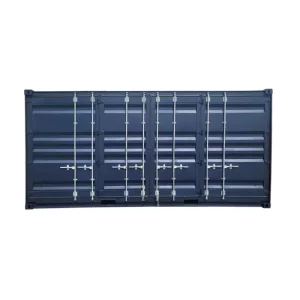
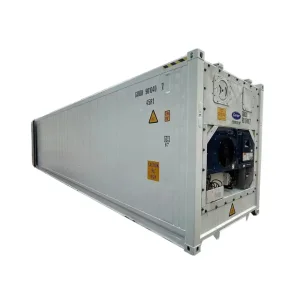
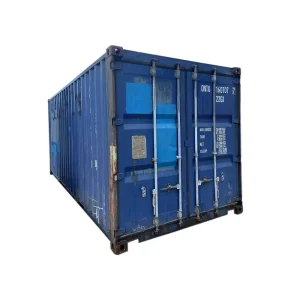
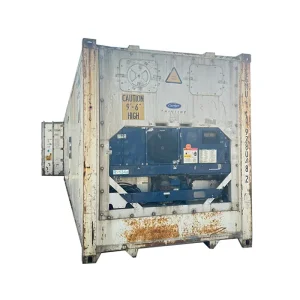
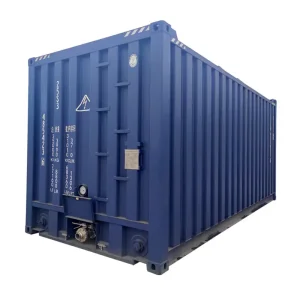
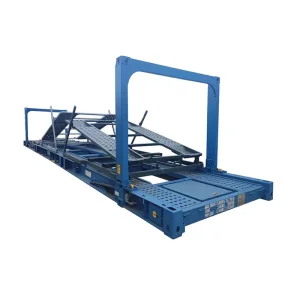
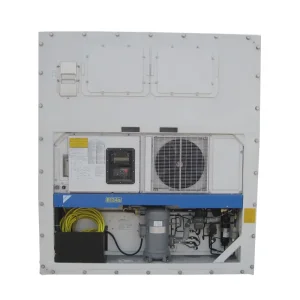
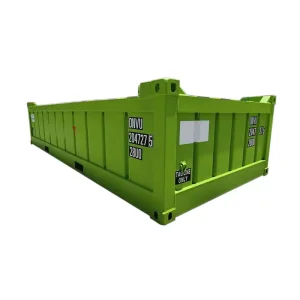
Connect with our sales engineering team in Tianjin. We provide CAD drawings, material mill certificates, and FOB/CIF ocean freight schedules for standard ISO corner feet and custom modular leveling systems.