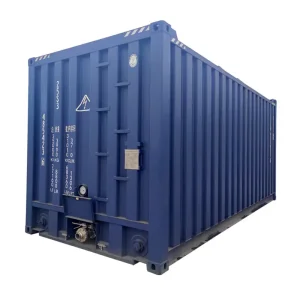
Immediate deployment units manufactured to ISO 1496/CCC standards. Engineered with standardized 20-foot and 40-foot structural profiles for heavy-load shipping and dynamic temperature control.
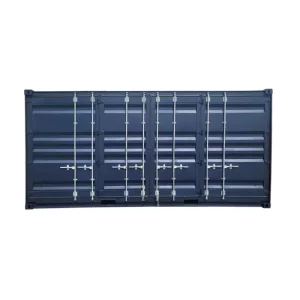
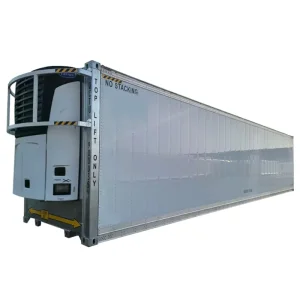
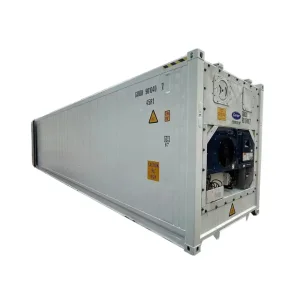
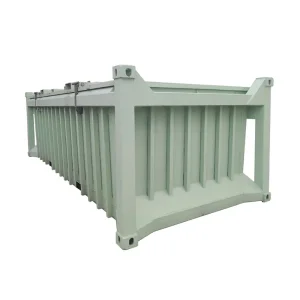
Standardization under ISO 668 redefined commercial maritime economics. In the modern era, container length is no longer just a dimensional constraint—it is a critical lever for supply chain automation and transport physics.
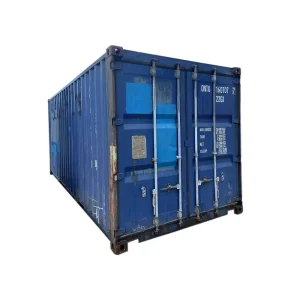
The standard 20-foot container (internal length 5,898 mm) remains the uncontested gold standard for high-density, heavy-deadweight cargo such as industrial machinery, raw chemicals, liquid concentrates, and mineral concentrates. With high structural rigidities, 20-foot units maximize axle-load thresholds without inducing structural frame racking during harsh intermodal transitions.
Accounting for more than 70% of trans-oceanic retail volume, the 40-foot length (12,032 mm internal) and its High Cube variant (2,896 mm outer height) govern consumer electronics, garments, and temperature-controlled logistics. The 40HC profile elevates cubic volume to 76.4 m³, reducing landed freight cost per volumetric ton across global mega-containerships.
Modern supply networks require non-linear solutions. Compact 10ft modules allow agile city distribution and offshore maintenance operations where deck footprints are restricted. Meanwhile, 45ft pallet-wide containers bridge short-sea European corridors, accommodating 33 Euro pallets side-by-side to outcompete traditional road semi-trailers.
In contemporary maritime logistics, choosing between a 20ft and a 40ft container is not merely a matter of length. It represents a mathematically balanced trade-off between the Stowage Factor (volume per weight unit) and deadweight limits imposed by port cranes and rail bogies. China's leading exporters engineer chassis profiles with advanced stress simulations to optimize tare weight while maintaining dynamic load resistance.
Multinational freight consolidators, defense organizations, offshore energy platforms, and refrigerated logistics operators have transitioned from transactional purchases to life-cycle asset management.
Procurement directors scrutinize steel composition. High-grade SPA-H weathering steel resists marine chloride pitting, ensuring a 15-to-25 year operational lifespan. This durability minimizes depreciation cycles under extreme trans-Pacific atmospheric conditions.
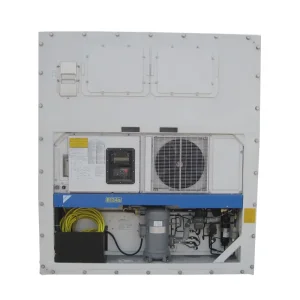
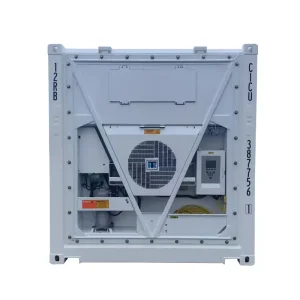
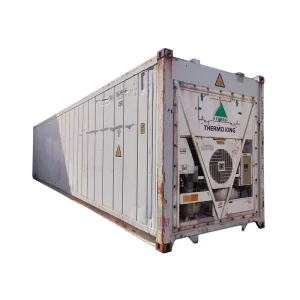
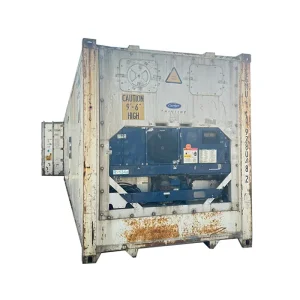
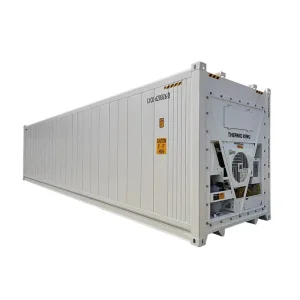
For refrigerated containers, cold chain buyers balance unit brand compatibility. Selecting between Carrier Transicold, Daikin, and Thermo King involves evaluating the Coefficient of Performance (COP), global technician network density, and refrigerant transitions to low-GWP agents.
Offshore procurement teams require verified impact resistance. High-seas transfers demand dynamic padeye structural validation, non-destructive weld testing (NDT), and specialized sling set certifications capable of withstanding lateral sea shocks.
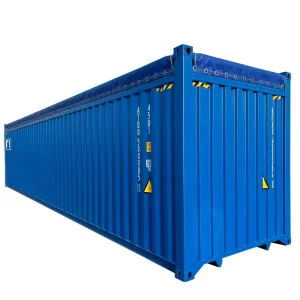
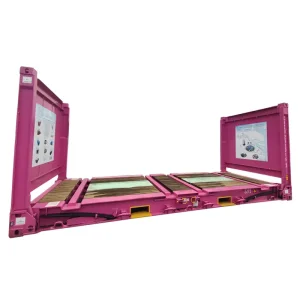
Equipment imbalance fees are critical. Fleet managers combine purchases of standardized 20ft and 40ft units with specialized open-top, platform-frame, and soft-top configurations to secure balanced return loads across regional trade lanes.
Manufacturing cargo containers is an exacting exercise in metallurgical engineering, automated fabrication, and high-throughput coating chemistry. China produces over 90% of global intermodal equipment through automated production hubs.
Tianjin and Suzhou manufacturing hubs deploy multi-axis robotic arc welders with vision tracking. Continuous automated seam welding prevents moisture penetration at the bottom rails and side panel corrugation joints, eliminating weld porosity and fatigue cracking.
Full-profile automated shot-blasting achieves Swedish Standard SA 2.5 cleanliness before primer application. Fully closed eco-coating lines apply zinc-rich waterborne epoxy primers and acrylic topcoats, meeting stringent global VOC regulations while maintaining 1,000+ hour salt-spray resistance.
Situated within 100 kilometers of the primary maritime deepwater terminals of Tianjin and Shanghai/Taicang, production sites eliminate extensive inland rail positioning costs. New production lines transition from factory floor to ship berthing bays within 24 to 48 hours of inspection sign-off.
| ISO Length Designation | External Dimensions (L × W × H) | Internal Dimensions (L × W × H) | Max Gross Mass (MGM) | Tare Weight (Avg) | Internal Cubic Volume | Primary Industrial Application |
|---|---|---|---|---|---|---|
| 10ft Standard | 2,991 × 2,438 × 2,591 mm | 2,831 × 2,352 × 2,393 mm | 10,000 kg | 1,300 kg | 15.9 m³ | Urban storage, mini-reefer logistics, modular gen-sets |
| 20ft Standard Dry (1 TEU) | 6,058 × 2,438 × 2,591 mm | 5,898 × 2,352 × 2,393 mm | 30,480 kg | 2,230 kg | 33.2 m³ | Heavy steel, chemicals, minerals, base industrial goods |
| 20ft High-Cube Reefer | 6,058 × 2,438 × 2,896 mm | 5,444 × 2,290 × 2,535 mm | 30,480 kg | 3,080 kg | 28.3 m³ | High-density cold storage, medical pharmaceuticals |
| 40ft Standard Dry (2 TEU) | 12,192 × 2,438 × 2,591 mm | 12,032 × 2,352 × 2,393 mm | 32,500 kg | 3,700 kg | 67.7 m³ | General transoceanic manufactured cargo, pallet freight |
| 40ft High-Cube Dry (40HC) | 12,192 × 2,438 × 2,896 mm | 12,032 × 2,352 × 2,698 mm | 32,500 kg | 3,900 kg | 76.4 m³ | E-commerce, consumer appliances, apparel, bulky goods |
| 40ft High-Cube Reefer | 12,192 × 2,438 × 2,896 mm | 11,583 × 2,290 × 2,557 mm | 34,000 kg | 4,480 kg | 67.9 m³ | Perishable fruits, meats, seafood, biopharma cargo |
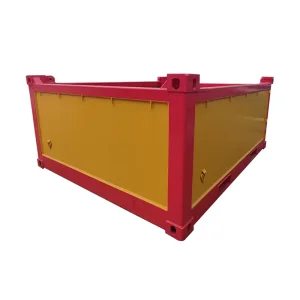
| Half-Height 20ft Ore | 6,058 × 2,438 × 1,295 mm | 5,898 × 2,352 × 1,050 mm | 32,000 kg | 2,150 kg | 14.5 m³ | Dense metal ores, concentrates, mining ballast |
Modern cargo container architecture extends beyond ship cargo holds. Customized container length modifications support critical operational requirements across diverse operating environments.
Offshore exploration rigs in the North Sea, Gulf of Guinea, and South China Sea require specialized DNV 2.7-1/EN 12079 certified half-height and open basket containers. Engineered with high-strength structural profiles, these units handle equipment, drill bits, and subsea assemblies through dynamic crane lifts in sea states up to 6 meters.
Temperature-critical distribution demands consistent thermal control. Our 40ft High-Cube reefer systems integrate Carrier and Daikin microprocessors, variable-speed scroll compressors, and polyisocyanurate (PIR) insulated paneling to maintain set points between -35°C and +30°C across transcontinental shipping corridors.
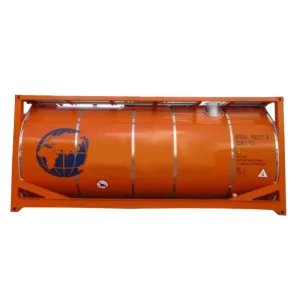
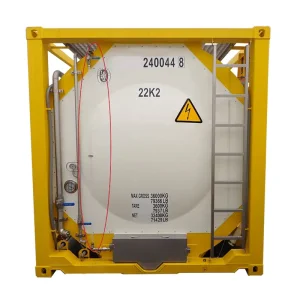
Specialized 20ft ISO tank containers utilize 316L stainless steel pressure vessels surrounded by structural steel frames. Suitable for food-grade alcohols or hazardous chemical transport, these 20-foot units safely transfer liquids between road, rail, and sea without container transfers.
Standardized 20ft and 40ft container profiles provide turn-key enclosures for grid-scale lithium-ion battery arrays. Factory pre-engineering incorporates structural reinforcements, HVAC chillers, gas-suppression fire protection, and clean floor-loading designs ready for high-voltage energy storage applications.
The China-Europe rail corridors rely on structural durability across broad-gauge rail networks. High-cube 40ft containers withstand continuous cyclic accelerations and sub-zero Siberian transitions down to -40°C without weld embrittlement or seal integrity failures.
Standard containers can risk sidewall failure under concentrated mineral loads. Half-height open-top containers focus weight along lower bottom side rails and corner castings, allowing mechanical rotators to unload high-density ores cleanly at industrial blast furnaces.
Direct answers from our engineering and export team covering dimension parameters, international structural standards, customization, and factory logistics.
Heavy-duty transport enclosures manufactured for specialized chemical, mining, open-top, and platform logistics. Fully documented to ISO, DNV, and IMDG global shipping standards.