Engineered to rigorous Bureau Veritas (BV), ISO 1496-1, and CSC international standards for heavy-duty multimodal logistics.
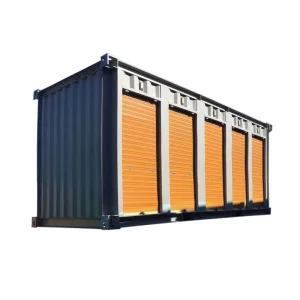
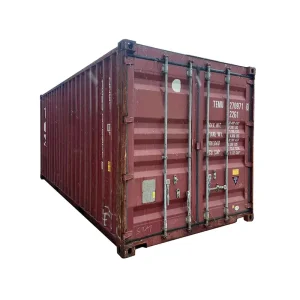
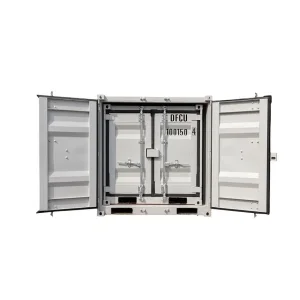
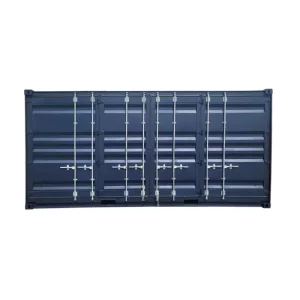
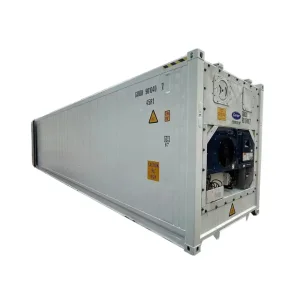
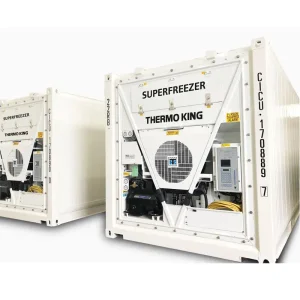
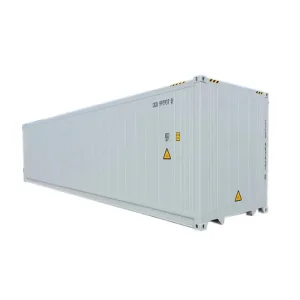
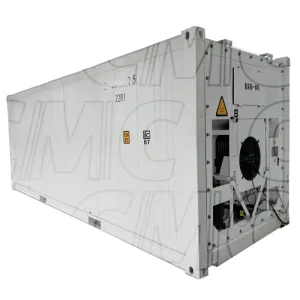
Standard containers are no longer basic corrugated steel shells; they represent highly engineered, precision-tolerance intermodal structural units designed to withstand intense dynamic ocean forces, sub-zero railway routes, and heavy terminal automation.
Every standard dry freight and reefer container produced within premier Chinese facilities utilizes high-tensile Corten-grade SPA-H / SPA-C alloy steel. When exposed to harsh marine salt-fog environments, this metallurgical alloy develops an autonomous, non-porous passivation layer that dramatically impedes oxidation and structural corrosion.
To ensure uniform tensile performance under ISO racking limits exceeding 150 kN, our standard manufacturing hubs incorporate multi-axis robotic arc-welding rigs. This eliminates thermal deformity across bottom longitudinal rails, crossmembers, and high-stress corner castings.
Modern sustainability standards mandate zero-VOC or ultra-low waterborne paint lines coupled with dual-phase shot-blasting to SA 2.5 purity. Multi-coat systems consist of zinc-rich epoxy primers, high-build intermediate epoxy barriers, and UV-stabilized polyurethane topcoats delivering a verified 10-year anti-blister lifespan.
Why leading ocean liners, 3PL logistics corporations, and industrial leasing conglomerates source over 90% of the world's intermodal equipment from China's coastal manufacturing cluster.
Tianjin and Suzhou manufacturing corridors host fully integrated industrial clusters. Within an 80-kilometer operational radius, standard container facilities access raw hot-rolled Corten coil, cast steel corner fittings, marine-grade bamboo/hardwood ply, EPDM double-lip door gaskets, and zinc chromate fasteners without international transit exposure.
Our key production facilities in Tianjin and Suzhou are situated within roughly 100 kilometers of northern and eastern deepwater container terminals. This geographical advantage eliminates inland repositioning dead-freight, drastically mitigates chassis drayage expenses, and facilitates immediate vessel loading on direct liner sailings.
Smart, modular tooling jigs allow high-volume automated lines to convert from ISO 20ft/40ft standard dry boxes to specialized configurations—such as open-top, flat racks, bulk liquids, roll-up shutter access, or deep-freeze cold storage—with minimal retooling down-time, supporting both large batch and bespoke projects.
| Container Model Class | Primary ISO Dimensions (L x W x H) | Tare Weight (kg) | Max Gross Mass (MGM) | Structural Core Spec | Primary Industrial Application |
|---|---|---|---|---|---|
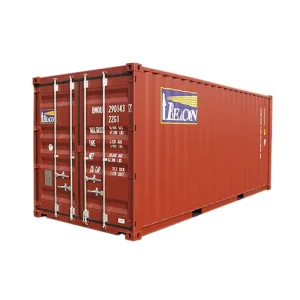
| 20ft Standard Dry Van | 6,058 x 2,438 x 2,591 mm | 2,180 - 2,250 kg | 30,480 kg (67,200 lbs) | SPA-H Corten, 28mm Plywood | General ocean freight, machinery, mineral sacks |
| 40ft High Cube (HC) Dry | 12,192 x 2,438 x 2,896 mm | 3,800 - 3,950 kg | 32,500 kg (71,650 lbs) | SPA-H Corrugated Sheets, Bamboo | Volumetric consumer goods, e-commerce cargo, rail bridge |
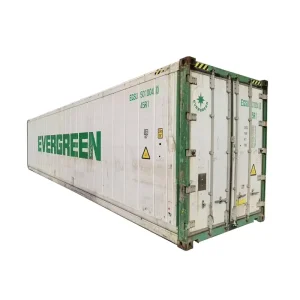
| 40ft High Cube Active Reefer | 12,192 x 2,438 x 2,896 mm | 4,520 - 4,780 kg | 34,000 kg (74,950 lbs) | SUS304 Inner, Polyurethane, Al T-Floor | Pharmaceuticals, perishables, active controlled cold storage |
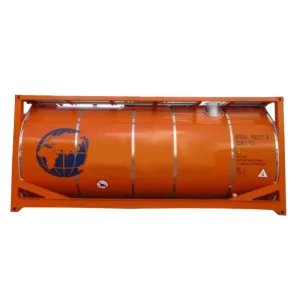
| 20ft ISO Liquid Tank | 6,058 x 2,438 x 2,591 mm | 3,450 - 3,700 kg | 36,000 kg (79,360 lbs) | 316L Stainless Vessel, ISO Frame | Potable bulk liquids, specialty chemicals, liquid foodstuff |
| DNV Offshore Container | Project Specific / 10ft / 20ft | Engineered dynamically | Certified per EN 12079 / DNV 2.7-1 | Impact Tested Steel (-20°C Charpy) | Harsh offshore oil/gas rigs, marine mining exploration |
The standard container is transforming into an intelligent, digitized, and decarbonized intermodal node. Examine the fundamental technological shifts driving container factory fabrication.
Standard containers are increasingly factory-fitted with flush-mounted, ATEX-certified telematics units. These autonomous systems log internal ambient temperature, relative humidity, door openings, structural tri-axial shock vectors, and GPS coordinates transmitted via satellite and low-power cellular networks.
In response to international deforestation mandates and strict biosecurity regulations, standard container factories have pioneered composite flooring alternatives. High-strength bamboo-veneer composites, galvanized corrugation-sandwich plates, and recycled polymers provide superior bending modulus while eliminating tropical hardwood dependency.
For reefer and cold-chain manufacturing, the frontier focuses on micro-cellular polyurethane foam formulations blown with zero-ODP/GWP hydrofluoroolefins (HFOs). Combined with integrated rooftop solar skins and 220V inverter DC drive compressors, units maintain tight tolerances from -40°C to +30°C with reduced shore-power draws.
Electric Arc Furnace (EAF) steelmaking powered by clean energy is increasingly integrated into container assembly schedules. This shift reduces the embedded Scope 3 greenhouse gas emissions of container shells by over 38%, assisting ocean freight consortiums in meeting Science Based Targets (SBTi).
Intermodal containers bridge marine vessels, national railway networks, long-haul highway transit, and temporary worksite infrastructure without cargo restowage.
Engineered to ISO 1496-1 specifications, our dry freight standard containers undergo testing for 9-high container vessel stacking with total stack masses exceeding 216,000 kg. Corner castings, fabricated from normalized cast steel, undergo automated non-destructive magnetic particle inspection to eliminate risk of micro-fractures under heavy swell moments.
Trans-continental rail routes between China, Central Asia, and Europe experience sharp temperature swings from -45°C to +40°C. Standard dry and insulated containers feature cold-tough steel grades and synthetic siliconized rubber seals that maintain flexibility, preventing brittle failure and keeping moisture out during multi-week transits.
Beyond traditional cargo logistics, standard container frames serve as the primary structural envelope for utility-scale battery energy storage systems (BESS). Factory customization includes structural floor reinforcement, specialized thermal partition bulkheads, fire-suppression access glands, and integrated explosion-relief venting doors.
A standard container is only as dependable as the regulatory stamps riveted to its CSC data plate. Our factories operate under third-party marine surveyor surveillance.
Every standard container batch undergoes mandatory type testing witnessed by international classification societies—including Bureau Veritas (BV), American Bureau of Shipping (ABS), and Lloyd's Register. Structural evaluations verify compliance with ISO 1496-1 (Dry Cargo) and ISO 1496-2 (Reefer Containers).
Containers are fitted with stainless steel International Convention for Safe Containers (CSC) safety approval plates detailing structural permissions, permissible gross weight, racking loads, and timber quarantine treatment codes (e.g., Australian DAFF / TCT requirements). Fully certified Customs TIR compliance prevents border transit delays.
For specialized offshore transport equipment, our dedicated engineering division produces containers complying with DNV 2.7-1 and EN 12079 / ISO 10855. Fabrication requires full material traceability down to steel heat batches, Charpy V-notch impact testing at -20°C, and dedicated primary lifting sling pad-eye proofs.
Enterprise asset managers evaluate container procurement on a lifecycle value basis. Balancing initial CapEx, maintenance frequencies, and residual resale values is critical.
While new builds provide 12 to 15 years of maintenance-free service on active ocean loops, certified used units inspected to IICL-6 (Institute of International Container Lessors) criteria provide immediate cost reductions for domestic storage, job-site warehousing, and one-way export programs.
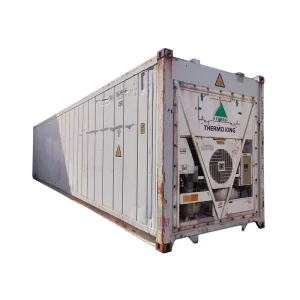
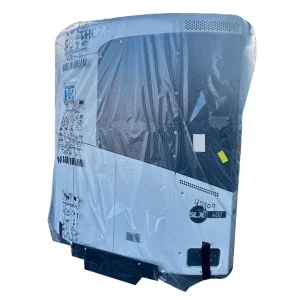
For cold-chain fleets, refrigeration drive selection should align with the regional maintenance network of target ports. Our assembly facilities work directly with Carrier Transicold, Thermo King, and Daikin to pre-install and factory-commission units according to route-specific spare part availability.
Procuring new empty containers from Chinese factories often incurs empty repositioning freight fees. We offer one-way cargo loading coordination, filling your newly built containers with commercial dry export freight destined for your local discharge port, significantly offsetting delivery transit costs.
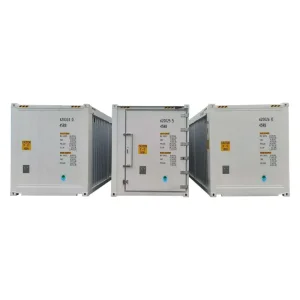
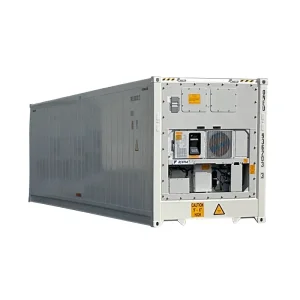
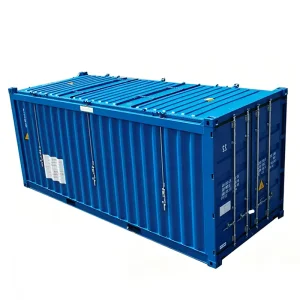
Explore specialized industrial machinery, multi-temperature reefer configurations, open-top heavy handling units, and hazardous liquid ISO tanks.
Authoritative technical answers directly from our structural engineers and export documentation compliance team.
Standard ISO containers rely on high-yield, anti-corrosive SPA-H atmospheric corrosion-resisting steel (or equivalent Corten A) for side/roof corrugated panels and crossmembers. Critical high-stress load members—such as front and rear corner posts—use cold-formed high-strength structural steel with minimum yield strengths of 345 MPa to 460 MPa.
Every newly fabricated production batch carries a comprehensive classification package typically issued by Bureau Veritas (BV), ABS, or CCS. This documentation covers raw material mill certificates, welding procedure specifications (WPS), non-destructive testing (NDT) records, CSC safety approval plates, and Customs seal conformity.
Active refrigerated units undergo a pre-trip inspection (PTI) and thermal balancing test. This includes automated vacuum hold evaluations, leak testing using high-sensitivity sniffers, insulation foam core density verifications, and continuous temperature pull-down cycles from +20°C down to -25°C under external load simulation.
Our standard coating application begins with automated centrifugal steel-grit blasting to SA 2.5 standard. The exterior system incorporates a 30-micron zinc-rich epoxy primer, a 40-micron high-build epoxy intermediate coat, and a 40-micron polyurethane or acrylic waterborne finish, achieving a minimum total dry film thickness (DFT) of 110–130 microns.
Yes. Many ISO standard units are engineered specifically for OEM adaptation into Battery Energy Storage Systems (BESS) or modular structures. Modifications include internal structural unistrut channels, high-density non-combustible rockwool lining, recessed cable penetration ports, structural floor pan reinforcements, and pre-cut louvers.
For standard 20ft and 40ft dry freight containers, standard production runs start around 5 to 10 units for customized paint and graphics, while bespoke engineered builds (such as multi-door or offshore models) are quoted on a project basis. Factory capacity allows standard orders of 50 to 500 units to roll off the line within 3 to 4 weeks.
