Manufactured 100km from primary deep-water sea terminals in Tianjin and Suzhou. These certified units are ready for global marine deployment under BV, ISO, and DNV marine compliance frameworks.
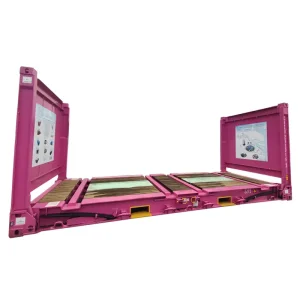
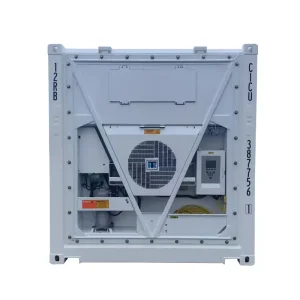
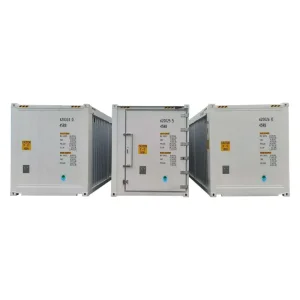
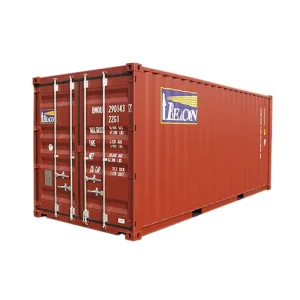
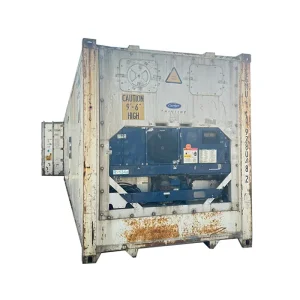
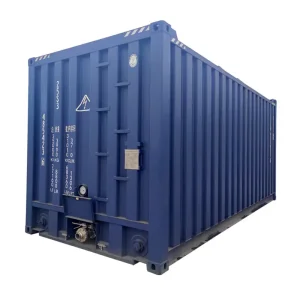
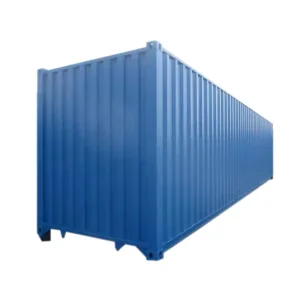
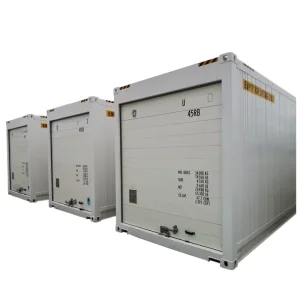
The global steamship container economy demands rigorous engineering compliance, extreme structural durability, and tight thermal tolerances. Modern trade lanes across North America, Europe, Africa, and Latin America rely on industrial equipment engineered in Chinese maritime clusters.
Situated within 100 kilometers of the world-class deepwater facilities of Tianjin and Shanghai/Suzhou, our production complexes minimize inland drayage, eliminate multimodal dwell times, and accelerate direct vessel staging for rapid dispatch worldwide.
Standard ocean steamship containers suffer severe electrolytic oxidation under salt-spray conditions. Our structures exclusively utilize atmospheric corrosion-resistant SPA-H Corten steel, engineered to generate a self-passivating protective patina.
All dry freight, offshore baskets, insulated reefers, and ISO tanks carry stringent classification society certifications verified by third-party surveyors, guaranteeing absolute structural integrity across high-sea operations.
Steamship operations subject container fleets to violent racking forces, six-tier vertical stack loads, and rapid thermal shocks. Below is our engineering baseline applied across ISO-standard and tailored OEM/ODM builds.
| Structural Parameter | Dry Freight Cargo Spec | High-Cube Cold Chain Reefer | DNV 2.7-1 Offshore Unit | ISO Liquid Tank Container |
|---|---|---|---|---|
| Base Metallurgy | SPA-H Corten Steel (Cor-Ten A) | Stainless Steel (SUS304 / MG) | Fine Grain Low Temp Structural Steel | SS316L / Titanium Lined Inner Vessel |
| Corner Casting Spec | ISO 1161 Standard (Cast Steel) | ISO 1161 / Cryogenic Grade Cast Steel | DNV Certified High Impact Castings | Reinforced Corner Blocks with Cradle |
| Internal Lining / Floor | 28mm Keruing Hardwood Plywood | Extruded Aluminum T-Floor Profile | Heavy-Duty Anti-Skid Steel Grating | Electropolished Internal 0.4µm Ra |
| Stacking Test Capacity | 216,000 kg (9-High Laden Stack) | 216,000 kg (Fully Loaded Stacking) | Dynamic 4-Point Dynamic Pad-Eye Rig | Stackable 9-High with ISO Corner Locks |
| Operating Range | -40°C to +70°C Dynamic Range | -35°C to +30°C Ultra-Precision | -20°C to +50°C Harsh Offshore Seas | -40°C to +130°C (Steam/Glycol Heated) |
| Thermal Insulation | Optional Thermal Composite Mats | High-Density PUR Foam (K-factor <0.018) | Fire-Resistant Mineral Wool Batts | 50mm Vacuum Rockwool Insulation |
Sovereign logistics operators, mineral extraction syndicates, and cold-chain distributors face unpredictable supply volatility. CIMIC provides tailored operational strategies that solve acute multi-industry transport challenges.
Navigating the transition between ocean vessels and transcontinental rail requires reinforced corner castings, double-end doors, and certified side-wall load ratings that prevent frame twisting during heavy rail shuntings.
Our 20ft and 40ft units comply with UIC 592 and ISO 1496/1 intermodal requirements, enabling direct transition between Tianjin container quays and the Eurasian rail networks.
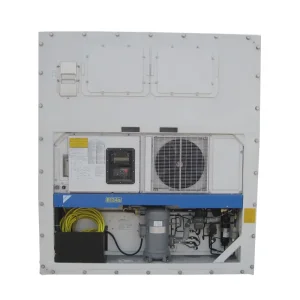
Temperature fluctuations of even 0.5°C can destroy pharmaceutical vaccines, biological reagents, or premium fruit harvests. We integrate frontline cooling hardware from Thermo King, Carrier, and Daikin.
Equipped with dual microprocessors, real-time wireless telemetry, and controlled atmosphere (CA) options to regulate oxygen and carbon dioxide levels throughout prolonged sea voyages.
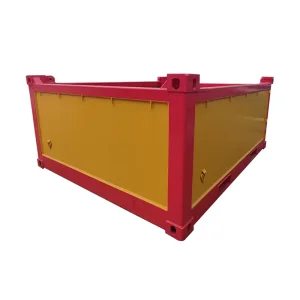
Offshore drillships and production platforms demand containerized assets capable of withstanding massive sea acceleration, shock loads, and deep marine corrosion.
Every offshore dry cargo basket, cargo box, and offshore reefer is engineered with certified pad-eyes, heavy lifting slings, and Charpy V-notch impact-tested steel rated down to -20°C.
Maritime container engineering is undergoing a generational shift towards autonomous telemetry, environmental decarbonization, and extreme thermal efficiency.
Addressing fuel consumption and diesel generator reliance, our smart chain solar refrigerated containers integrate roof-mounted photovoltaic arrays connected to high-efficiency DC inverter compressors.
Reduces auxiliary power consumption by up to 34% in stationary port yards and intermodal distribution points across high-solar-irradiance trade routes.
Modern steamship containers function as connected edge data points. CIMIC incorporates multi-constellation GPS/Galileo transceivers, interior cellular sensors, and door-tampering detectors.
Fleet operators maintain end-to-end visibility of internal humidity, cargo temperature drift, refrigeration unit fault codes, and real-time geographic location across open oceans.
In full compliance with Kigali Amendment mandates and European F-Gas regulations, our research team is deploying advanced refrigerants including R-513A and transcritical CO2 (R-744) units.
This slashes Global Warming Potential (GWP) by over 90% compared to legacy R-134a systems while delivering unmatched coefficient of performance (COP) in extreme ambient heat.
Explore heavy-duty soft tops, specialized offshore baskets, liquid transport vessels, and modular refrigeration machinery precision-built to your project's technical blueprints.
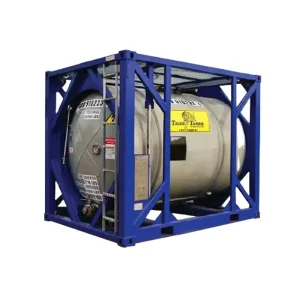
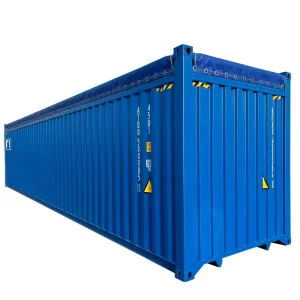
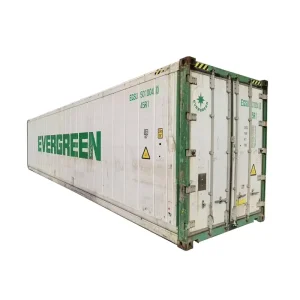
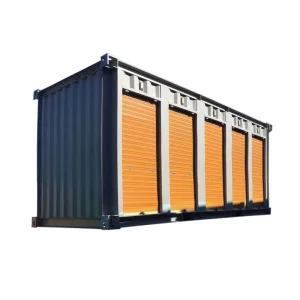
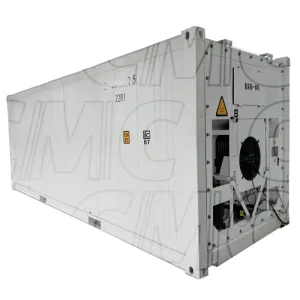
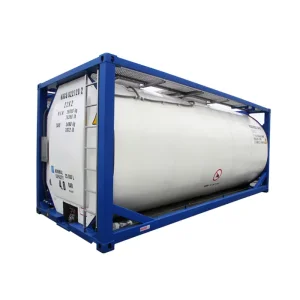
A maritime container is an engineered pressure and structural asset subjected to intense international scrutiny. Every CIMIC build is certified to cross any customs border and ocean trade lane without administrative delay.
Every dry, open-top, and refrigerated unit carries a valid International Convention for Safe Containers (CSC) safety plate, validating maximum operating gross weight, allowable stacking weight (typically 216,000 kg), and transverse racking test values.
Constructed in strict accordance with the Customs Convention on the International Transport of Goods Under Cover of TIR Carnets. All door locking bars, hinge pins, and keeper plates are engineered with tamper-proof seal protection.
Offshore baskets and equipment modules comply with DNVGL-ST-E271 (DNV 2.7-1) and BS EN 12079. Testing includes multi-faceted vertical impact, 2.5x payload lifting tests, and extensive Charpy V-notch weld metallurgy analysis.
Direct answers from our senior engineering and export operations division regarding technical configurations, international marine certifications, and manufacturing lifecycles.
Our dry freight and custom containers are fabricated from heavy-gauge SPA-H Corten steel (JIS G3125 standard), an atmospheric corrosion-resistant alloy enriched with copper, chromium, and nickel. When exposed to ocean marine environments, it forms an impermeable oxide layer (patina) that halts deeper corrosion, providing decades of durability on long-haul sea routes.
We supply and integrate factory-certified cooling units from Carrier Transicold (ThinLINE, PrimeLINE), Daikin (LXE series), and Thermo King (Magnum Plus). This ensures your field engineers and regional cold chains can easily access OEM spare parts, global warranty coverage, and certified service depots in over 120 global ports.
Standard ISO containers are engineered for vertical stacking via corner castings within guided vessel cell guides. Offshore containers (built to DNV 2.7-1 / EN 12079) are designed for open-sea crane lifting to and from floating vessels in hostile sea states. They feature certified lifting pad-eyes, low-temperature structural steels (-20°C resilience), and strict non-destructive testing (NDT) on structural welds.
Standard ISO dry containers (20ft, 40ft HC) held in port stock can be dispatched in under 7 business days. For customized OEM/ODM projects (such as combination reefers, side open-door units, or insulated modifications), production lead times typically range from 20 to 35 calendar days following drawing sign-off. MOQ varies from 1 custom unit to large 500+ TEU liner contracts.
Our production campuses in Tianjin and Suzhou are located within 100 kilometers of northern China's and eastern China's deepest container terminals. This proximity slashes domestic drayage expenses by up to $300–$500 per TEU compared to inland factories, while eliminating intermediate transshipment delays and port gate congestions.
We execute a multi-tier C5-M marine paint process. Surfaces undergo automated shot-blasting to Sa 2.5 purity, followed immediately by a zinc-rich epoxy primer (minimum 30µm), a high-build epoxy intermediate barrier coat (40µm), and a durable aliphatic polyurethane exterior topcoat (40µm), ensuring 1,500+ hours of continuous salt-spray resistance.
