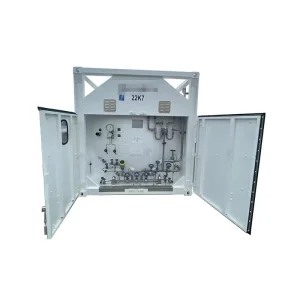
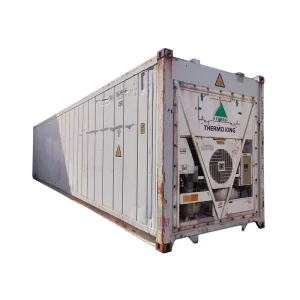
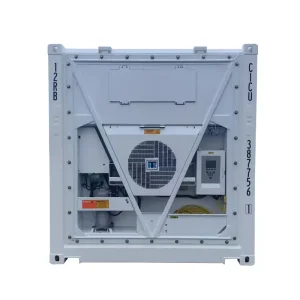
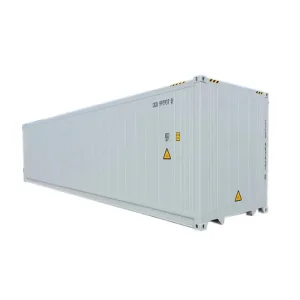
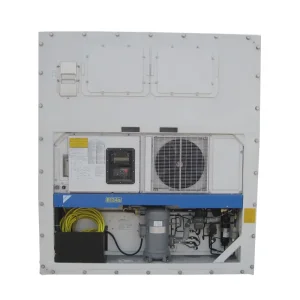
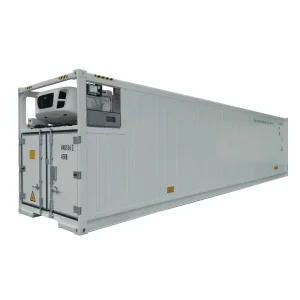
Direct deployment capabilities from certified manufacturing yards. BV, ISO, and DNV accredited engineered modular containers, cryogenic systems, and high-cube reefer units.
From static steel intermodal boxes to smart, connected industrial infrastructure. How next-generation 20 Cntr s are reshaping global modularity and supply integrity.
Modern 20 Cntr s are transforming into edge-computing telemetry nodes. Integrated dual-spectrum GPS, micro-shock accelerometers, digital pressure transducers, and interior thermal profiling systems stream real-time operational metrics across satellite and 5G low-latency corridors, mitigating cargo disruption risks before landfall.
Through finite element analysis (FEA) and high-strength anti-corrosive SPA-H Corten steel formulations, factories achieve significant tare weight reductions without sacrificing stacking structural thresholds (up to 216,000 kg 9-high stacking criteria under ISO 1496-1). This weight engineering provides substantial dry cargo payload margins.
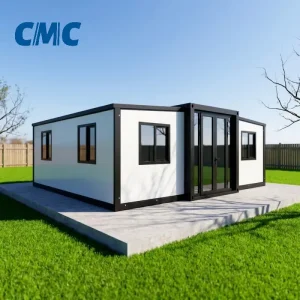
The standard 20 Cntr footprint has emerged as the global structural baseline for off-grid battery energy storage systems (BESS), mobile hyperscale compute pods, water filtration modules, and deployable clinical enclosures, accelerating modular container adaptation across renewable and industrial engineering fronts.
Evaluating automated tooling, robotic continuous welding, and multi-tier port logistics that empower Chinese container manufacturers to supply global operations efficiently.
Automated multi-axis robotic stations maintain consistent welding depth across corner castings, sill plates, and corrugated corten side walls, eliminating microporosities and stress concentration points.
Automated shot blasting prepares steel profiles to SA 2.5 cleanliness standards, instantly primed with waterborne zinc-rich primers and resilient polyurethane marine coatings exceeding 1,500 hours of salt spray exposure testing.
Proximity to first-tier domestic mills guarantees unhindered raw stock availability. Structural channels, marine-grade timber, polyurethane insulation, and casting accessories are sourced within tight industrial radii.
Strategic yard configurations within 100km of primary international terminals—including Tianjin and Shanghai/Suzhou—enable streamlined yard-to-berth drayage and rapid export dispatch on regular vessel rotations.
Comparative technical metrics cross-referencing industry standard ISO dry freight specifications against heavy-duty cryogenic, offshore, and reefer container configurations.
| Classification | Structural Specification | Tare Weight (Avg) | Max Payload | Key Certifications | Primary Industrial Use-Case |
|---|---|---|---|---|---|
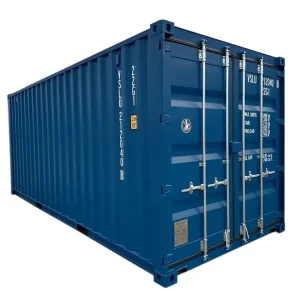
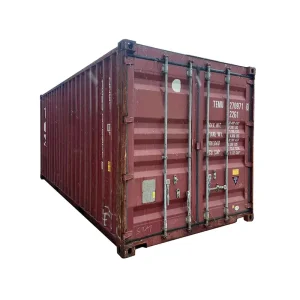
| 20ft Standard Dry Cargo (GP) | SPA-H Corten Steel / 28mm Marine Plywood | 2,200 kg (4,850 lbs) | 28,280 kg (62,350 lbs) | ISO 1496-1 / BV / CSC | Breakbulk, electronics, general manufacturing trade |
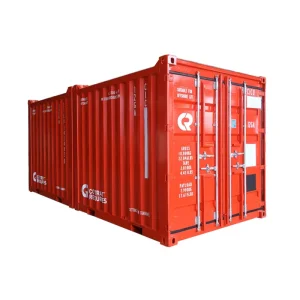
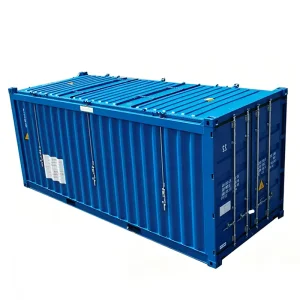
| 20ft Double Door Dry Cargo | Dual End Access / Reinforced Corner Posts | 2,380 kg (5,247 lbs) | 28,100 kg (61,950 lbs) | ISO / BV / CSC | Palletized distribution, cross-dock transit, site gear |
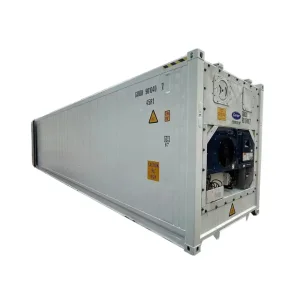
| 20ft Offshore Reefer Unit | 316L Stainless Interior / DNV Lifting Eyes | 3,850 kg (8,487 lbs) | 16,150 kg (35,604 lbs) | DNV 2.7-1 / EN 12079 | Deep-sea oil & gas rigs, platform food logistics |
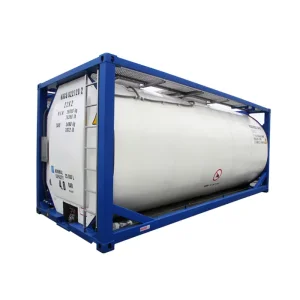
| 20ft T75 Cryogenic ISO Tank | Austenitic SS Vessel / Multi-layer Vacuum | 7,900 kg (17,416 lbs) | 26,100 kg (57,540 lbs) | ASME / IMDG / ADR / RID | Liquid Nitrogen, Argon, Oxygen, LNG transport |
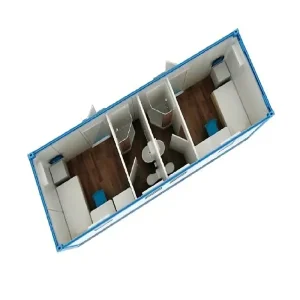
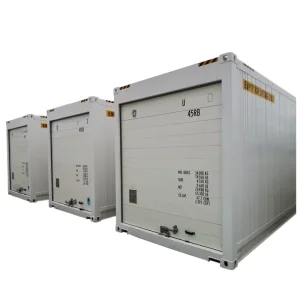
| 20ft Modular Equipment Pod | Insulated PU Rockwool / Integrated Frame | 3,100 kg (6,834 lbs) | Custom Calibrated | CE / ISO 9001 / NFPA | BESS Battery Storage, edge server pods, control cabins |
Evaluating how tailored 20-foot configurations adapt to extreme thermal, chemical, and physical stresses across multi-modal supply routes.
Navigating the Belt and Road intermodal routes across Siberia and Central Asia requires specialized cold-climate steels and insulated reefer shells. Standard seals become brittle at -40°C; our formulations utilize low-temperature impact-tested Corten steel and specialized fluoropolymer compound gaskets to maintain envelope hermeticity during multi-day rail transfers.
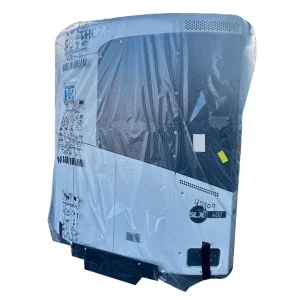
High ambient conditions (+50°C) demand high-efficiency reflective outer coatings and thickened polyurethane foam insulation to minimize compressor thermal cycling in reefer operations. Deploying scroll compressors with intelligent digital control saves power on shore power connections and mobile trailer gensets.
Dynamic wave actions and saline environments demand DNV 2.7-1 certified frames. Welded pad eyes, offshore container sling sets, reinforced vertical framing, and 3-coat heavy marine coating systems safeguard structural integrity during deck handling under rough open-sea conditions.
Direct guidance from our structural engineering and international compliance directors covering design tolerances, lifecycle maintenance, and international certifications.
SPA-H steel contains alloy additions of copper, chromium, and nickel that catalyze the formation of an adhering, dense oxide patina when exposed to atmospheric humidity. This layer seals the base steel substrate, reducing corrosion rates to a fraction of standard carbon steel and preventing structural flaking during ocean transit.
Any structural modifications (such as side openings, reinforced roll-up frames, or cable entry points) void baseline type approval. The unit must undergo static testing per ISO 1496-1: floor integrity load tests, transverse racking, longitudinal end-wall/side-wall strength tests, and vertical stacking testing, supervised by classification society surveyors (e.g., BV, LR, ABS).
While standard ISO containers rely on four corner castings for spreader lifts and assume support during transport, DNV 2.7-1 units are engineered for dynamic snatch loads experienced during vessel-to-rig crane transfers. They feature integrated lifting lugs, structural steels certified down to -20°C, non-destructive weld testing, and dedicated rated multi-leg chain slings.
T75 tanks feature an inner pressure vessel suspended within an outer carbon steel vacuum jacket. Insulation utilizes multi-layer vacuum super-insulation (MLI) combined with chemical getters. Factory QA verifies holding times via helium mass spectrometer leak detection and cold nitrogen boil-off metrics to guarantee transport windows up to 45 days.
Passive thickened-foam containers eliminate generator fuel consumption, compressor mechanical failures, and electrical maintenance overhead. On transport routes under 7 to 10 days with pre-conditioned freight, passive thermal retention provides up to a 60% operational expenditure reduction compared to active reefer power systems.
Yes. Contemporary configurations employ dual-mode hybrid telematics. While dockside or inland, transceivers communicate across local LTE/5G cellular bands. When deep sea out of cellular reach, the system switches to Iridium or L-band satellite uplinks, maintaining continuous cold-chain audit logs without data blind spots.
Explore our heavy-duty offshore equipment, modular housings, and specialized dry cargo configurations engineered to international quality standards.