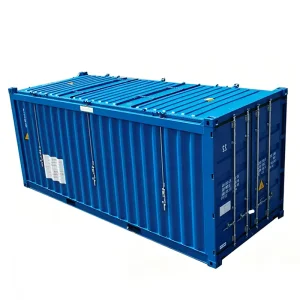
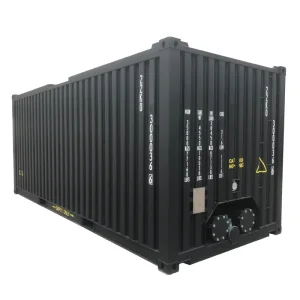
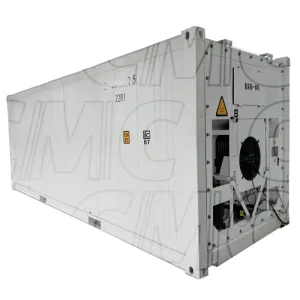
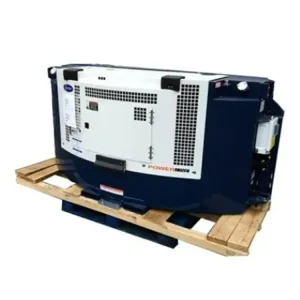
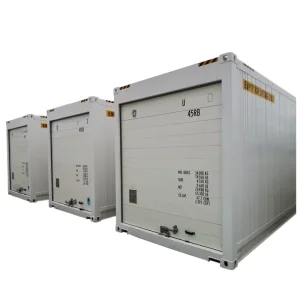
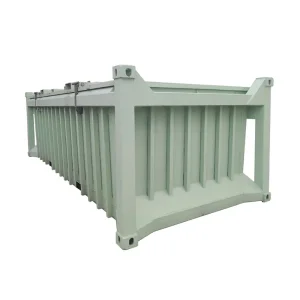
Precision-engineered intermodal containers, foldable rapid-deployment architectures, certified reefer units, and specialized dry cargo units fabricated to ISO 1496-1 and maritime standards.
Factory-gate pricing dynamics (FOB Tianjin / Shanghai) based on SPA-H Corten steel costs, unit insulation densities, refrigeration machinery (Carrier, Thermo King, Daikin), and international classification certifications.
| Container Classification | Standard Dimensions (L×W×H) | Structural Metallurgy / Core Specs | Tare Wt. / Max Payload | Indicative Price Range (USD) | Compliance & Certifications |
|---|---|---|---|---|---|
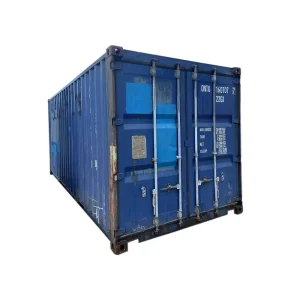
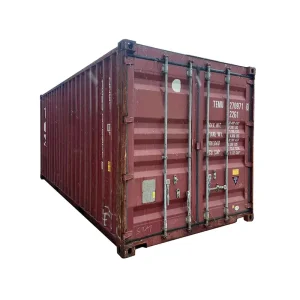
| 20ft Standard Dry ISO | 6,058 × 2,438 × 2,591 mm | SPA-H Corten Steel, 28mm Marine Plywood Floor | 2,200 kg / 28,280 kg | $1,850 – $2,350 | ISO 1496-1, CSC, BV, ABS |
| 30ft Specialized High-Cube Dry | 9,125 × 2,438 × 2,896 mm | Reinforced Corner Castings, Anti-Rack Barricades | 3,100 kg / 31,900 kg | $3,400 – $4,200 | ISO 668, UIC 592, CSC |
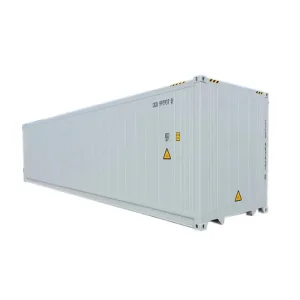
| 40ft High Cube Dry Intermodal | 12,192 × 2,438 × 2,896 mm | Corten Structural Steel, Gooseneck Tunnel Profile | 3,900 kg / 28,600 kg | $2,950 – $3,650 | ISO 1496-1, TIR, CSC, Lloyd's |
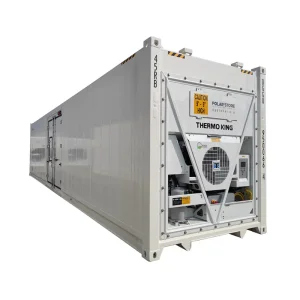
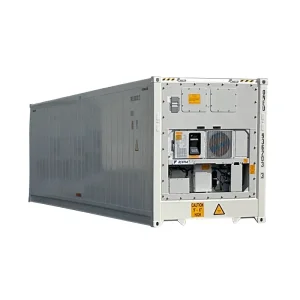
| 40ft HC Side-Door Opening Reefer | 12,192 × 2,438 × 2,896 mm | SUS304 Stainless Interior, Cyclopentane PU Core | 4,680 kg / 29,320 kg | $14,500 – $18,200 | ATP Type Class C, BV, DNV-GL |
| New 40ft Daikin Freezer (-35°C) | 12,192 × 2,438 × 2,896 mm | Daikin LXE10E Scroll Inverter, T-Floor Airflow | 4,450 kg / 29,550 kg | $16,000 – $20,500 | ISO, CE, CSC Safety Approval |
| DNV 2.7-1 / EN 12079 Offshore | Project Specific / 10ft – 20ft | Impact Tested Structural Steel (-20°C Charpy-V) | 4,100 kg / 10,900 kg | $7,800 – $11,500 | DNV 2.7-1, EN 12079, IMO MSC |
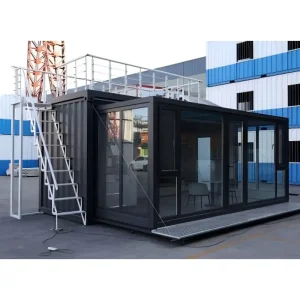
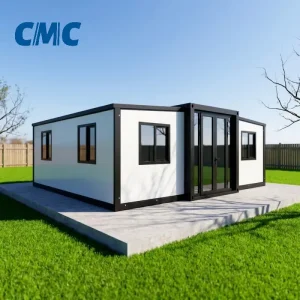
| 20ft Modular Expandable House | 5,900 × 6,300 × 2,480 mm (Open) | Galvanized Light Gauge Steel, EPS/PU/Rockwool | 3,850 kg / High Live Load | $5,800 – $8,900 | CE, AS/NZS Building Standards |
| T11 ISO Petrochemical Tank | 6,058 × 2,438 × 2,591 mm | 316L Stainless Steel Vessel, Steam Heating Glycol | 3,650 kg / 24,000 Liters | $18,500 – $24,000 | IMDG, ASME, RID/ADR, CSC |
How 30 distinct container configurations adapt to stringent regional payloads, harsh arctic climatics, equatorial high-salinity zones, and multimodal road-rail interchanges.
For railway corridors connecting East Asia to Central and Western Europe, specialized 30ft and 40ft High Cube containers resolve dynamic shunting forces. Engineered with reinforced lower side rails and corner castings tested for repeated rail hoist cycle stresses, these containers mitigate torsion along non-standard tracks and transshipment gauge shifts.
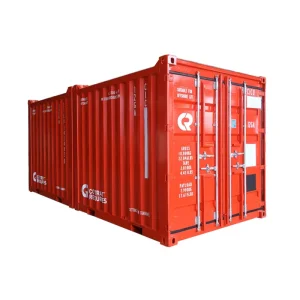
Extreme ocean environments demand DNV 2.7-1 and EN 12079 compliance. Offshore cargo containers and half-height ore carries are fabricated with Charpy V-notch impact-tested structural steels operating at -20°C. Certified lifting slings, pad-eyes welded directly into structural corner posts, and multi-coat marine polyurethane prevent subsea atmospheric embrittlement.
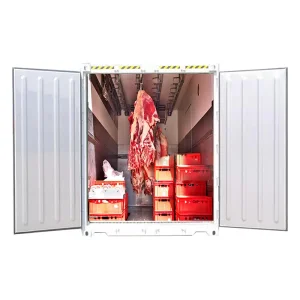
From fresh Atlantic salmon to temperature-sensitive biopharmaceuticals, our active reefer and passive thickened foam insulation containers maintain micro-climatic stability from -35°C to +30°C. Equipped with micro-channel condensers, programmable defrost cycles, and digital atmospheric recorders, temperature fluctuations stay strictly within ±0.25°C tolerances.
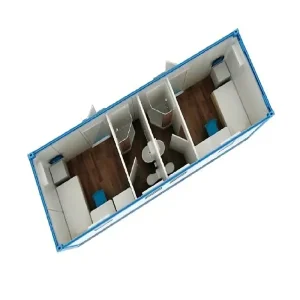
Rapid modular homes and expandable container units bridge civil construction voids across African and Australian remote extraction sites. Flat-pack and folding mechanisms enable four complete modules to pack into a standard ISO footprint, slashing ocean deadweight freight and delivering immediate turnkey living quarters equipped with integrated sanitization.
Heated asphalt containers and specialized tank container units overcome the crystallization and coagulation of raw crude fractions and chemicals during extended maritime legs. High-efficiency internal longitudinal steam pipes, thermal trace channels, and rock-wool outer cladding allow rapid dockside reheating and viscous-free fluid offloading.
Side-open door configurations and automated roll-up door reefers empower regional hyper-markets and parcel depots to load and strip Euro-pallets within minutes. By converting structural walls into bi-folding doors, lateral forklift loading bypasses traditional rear docking queues, reducing turn-around detention penalties by over 60%.
How our advanced coastal manufacturing hubs in Tianjin and Suzhou leverage industrial clustering, blast-coating robotics, raw Corten availability, and port-side synergy.
Positioned adjacent to China's leading metallurgical mills (Ansteel and Baosteel), our production lines procure certified atmospheric corrosion-resistant SPA-H Corten steel directly in wide coils. This eliminates intermediate distribution margins and mitigates international raw material price volatility.
Continuous submerged arc and CO2 shielded welding robots execute precise, uniform seam bonds across roof panels, corrugated side walls, and corner casting interfaces. Zero weld porosity eliminates saltwater ingress risks, elevating structural yield strength past 345 MPa.
Automated shot-blasting reaches SA 2.5 cleanliness, followed immediately by water-borne zinc-rich primers, epoxy barrier mid-coats, and high-solid polyurethane finishes. The resulting coating surpasses 250 microns dry film thickness (DFT), guaranteeing 15+ years of resistance against salt mist exposure.
Our Tianjin and Suzhou bases reside within 100km of Tier-1 international deep-water terminals. Finished containers roll straight from production into container freight stations (CFS), allowing one-way "cabotage" domestic cargo loading to zero-out empty repositioning dead-freight costs.
Strategic market analysis on containerization rates, fleet repositioning economics, specialized equipment demand, and cold-chain infrastructure growth across six continents.
Global maritime liners are tilting asset books toward long-term leasing and direct factory procurement of non-standard units (Open Tops, Hard Tops, Side Doors). By operating equipment engineered specifically for cargo density variations, forwarders achieve up to 18% higher revenue per TEU slot.
Perishable agricultural trades and global vaccine logistics demand strict unbroken temperature traceability. Active reefer container shipments are projected to outpace dry box fleet additions by 3.2% CAGR through 2030, driven by micro-channel refrigeration efficiency and solar auxiliary integration.
With over 100,000+ retired maritime boxes entering secondary markets annually, the industrial conversion sector has shifted from ad-hoc site sheds to modular data centers, battery energy storage systems (BESS), and rapid civil disaster housing, accelerating sustainability metrics and embodied carbon reuse.
Integrating next-generation industrial Internet of Things (IIoT), low-GWP drop-in refrigerants, composite metallurgies, and automated fleet tracking algorithms into industrial container manufacturing.
Smart reefer and dry containers feature low-profile solar satellite transceivers that relay container coordinates, internal humidity, multi-axis g-force shock impacts, and door-opening security events via 5G and LEO satellite constellations without external shore power dependencies.
Aligning with the Kigali Amendment and European F-Gas regulations, our research roadmaps incorporate Natural Refrigerants (R-744 / CO2) and low-GWP formulations (R-1234yf, R-452A), slashing carbon footprints while boosting low-temperature coefficient of performance (COP) in tropical ocean routes.
Next-tier insulated and refrigerated containers integrate silica aerogel barrier blankets within high-density polyurethane sandwiches. This drops thermal wall conductivity (λ-value) to under 0.018 W/m·K, shrinking compressor duty cycles by up to 28% and preventing boundary thermal bridging.
Rigorous factory testing, third-party classification verification, and end-to-end documentation ensure seamless customs clearance and operational safety worldwide.
Every container batch undergoes witness inspection and structural destructive stress tests by Bureau Veritas (BV), American Bureau of Shipping (ABS), or DNV. Full Type Approval certificates, CSC safety plates, and TIR customs seals are factory-affixed prior to outbound ocean loading.
Active reefer units utilize authentic Carrier Transicold, Thermo King, and Daikin machinery supported by global depot networks across 120+ countries. Buyers can access authorized field technicians, genuine warranty spare parts, and pre-trip inspections (PTI) at virtually all major container terminals.
Every exported equipment unit is delivered alongside complete mill test certificates (MTC) for steel chemistries, 3D structural CAD drawings, floor wood treatment phytosanitary seals (TCT Australian compliance), paint batch DFT records, and pressure relief calibration certificates for tanks.
Essential clarifications on minimum order quantities, manufacturing tolerances, marine coatings, one-way repositioning, and refrigeration maintenance from our export engineering department.
Standard dry shipping containers (20ft, 40ft) are typically delivered within 2 to 3 weeks for batch orders. Custom builds involving specialized structural engineering, side-open door layouts, or DNV offshore specifications require 30 to 45 business days, including engineering prototype review, third-party classification testing, and final marine blast coating.
We operate direct coordination with international shipping lines and major freight forwarders. Newly completed containers leaving Tianjin or Suzhou can be dispatched with dry, non-damaging export cargo destined for your destination port (SOC - Shipper's Own Container). This arrangement subsidizes or completely covers ocean transportation costs, saving buyers thousands in dead-freight positioning.
Active reefer containers feature integrated electric scroll/piston refrigeration units (Daikin, Thermo King, Carrier) requiring 380V/440V 3-phase power to actively maintain cargo temperatures from -35°C to +30°C. Thickened foam insulated containers provide passive thermal containment without machinery, ideal for temperature-sensitive cargo on shorter transit loops or operations with budget constraints.
All structural members are fabricated exclusively with SPA-H high-strength atmospheric corrosion-resistant Corten steel. Corner castings are forged to ISO 1161 standards using normalized cast steel (SCW480). Exterior coatings employ a three-tier system: zinc-rich primer (30μm), epoxy micaceous iron oxide mid-coat (40μm), and acrylic polyurethane topcoat (50μm), exceeding 200+ μm total DFT.
Yes. We offer complete OEM customization. Clients can specify RAL exterior paint codes, customized heavy-duty steel shelving, explosion-proof interior lighting, T-bar or flat aluminum flooring, side escape hatches, integrated personnel doors, and factory-applied vinyl fleet graphics or silk-screen logos prior to departure.
Each batch is shipped with original Classification Society Type Approval (BV, ABS, DNV, or LR), CSC (International Convention for Safe Containers) safety approval plates, Australian Quarantine and Inspection Service (AQIS/TCT) wood floor fumigation certificates, and manufacturer certificates of conformity (CoC).
High-performance open-top cargo containers, diesel generator reefer gensets, asphalt heating platforms, modular accommodations, and specialized cold chain meat rail transporters.
Connect directly with our senior container naval architects and export sales engineers. We review payload parameters, route dynamics, and classification mandates to deliver formal quotations within 24 hours.