Direct manufacturer supply certified under Bureau Veritas (BV), ISO 1496/1, and DNV 2.7-1 offshore standards for worldwide project logistics.
Quantitative benchmarks reflecting production throughput, fleet longevity, structural safety tolerances, and intermodal connectivity.
A rigorous review of how standardization disrupted international trade, elevated metallurgy, and generated the modern multi-billion dollar manufacturing complex.
Before standard containers, cargo handling was dominated by break-bulk operations where longshoremen loaded individual sacks, barrels, and crates. Malcolm McLean’s converted tanker, the Ideal-X, demonstrated that separating the vehicular chassis from the cargo hold reduced vessel port dwell times from days to hours, slashing transport costs by more than 85%.
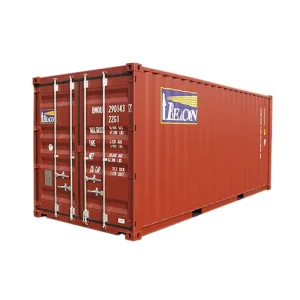
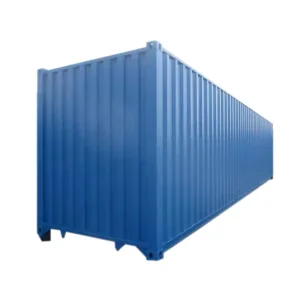
The International Organization for Standardization formulated ISO 668 and ISO 1496/1, formalizing the 20-foot (1 TEU) and 40-foot (2 TEU) envelopes with uniform corner castings. This engineering convergence allowed gantry cranes, rail spine cars, and cellular containerships to interface universally without manual re-lashing or cargo transfers across geopolitical borders.
Early containers fabricated from mild carbon steel suffered rapid salt-spray galvanic corrosion, compromising structural corner posts during stacking. The widespread adoption of JIS G3125 SPA-H (Corten-A weathering steel) formed a self-passivating oxide layer, boosting container life expectancies past 15 to 25 years under brutal maritime conditions.
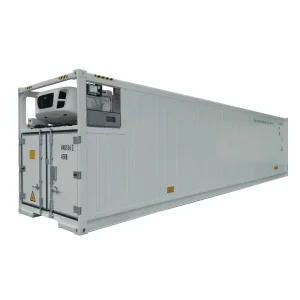
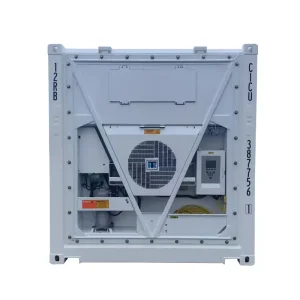
Passive ice bunker boxcars gave way to active closed-loop reefer containers powered by Carrier Transicold, Thermo King, and Daikin refrigeration plants. Microprocessor-driven thermal management algorithms with PID-loop control now maintain cargo temperatures to ±0.25°C across -35°C to +30°C, enabling high-value pharmaceutical and fresh produce trade over trans-oceanic transit corridors.
Dynamic wave-induced shock loads on offshore supply vessels demanded structural integrity far beyond standard CSC conventions. DNV 2.7-1 / EN 12079 introduced mandatory low-temperature Charpy impact-tested structural steel, integral four-point pad eyes, and non-destructive weld testing (NDT) to prevent cataclysmic drops during deep-sea supply operations.
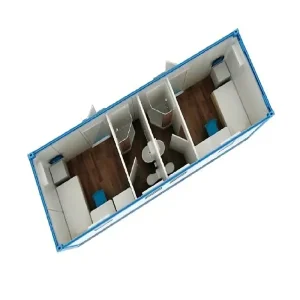
The rigid structural load-bearing capacity of shipping containers (allowing nine-high stacking loaded to 30,480 kg each) catalyzed modern prefabricated construction. Expandable folding modules, remote workforce accommodation camps, and off-grid generator battery housings now rely on modified ISO shells for rapid global deployment.
The convergence of upstream metallurgy, robotic line automation, deepwater port infrastructure, and integrated supply chains creates an unbeatable efficiency profile.
Chinese production bases in Tianjin, Hebei, and Jiangsu operate in tight geographic proximity to state-of-the-art blast furnaces and hot-rolled coil mills. High-grade SPA-H Corten steel, heavy floor sill pressings, and cast-steel corner fixtures are processed with minimal domestic freight overhead, securing rock-solid delivery times and lower unit costs.
Advanced Chinese container fabrication facilities leverage multi-axis automated seam welders, digital robotic paint cells, and waterborne zinc-rich epoxy paint application booths. This automated cadence yields consistent weld penetration, prevents structural void micro-cracks, and meets strict environmental VOC reduction mandates.
CIMIC’s core manufacturing lines in Tianjin and Suzhou are located within 100 kilometers of the world's most active container berths. New containers can be routed for immediate "one-way export cargo positioning," significantly offsetting or eliminating empty repositioning ocean tariffs for foreign buyers.
Beyond standard dry freight, specialized container designs solve complex transport, storage, and thermal challenges in harsh marine and industrial environments.
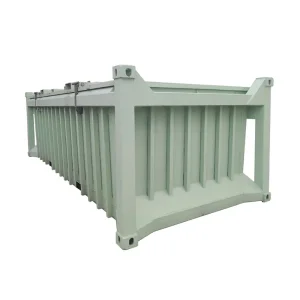
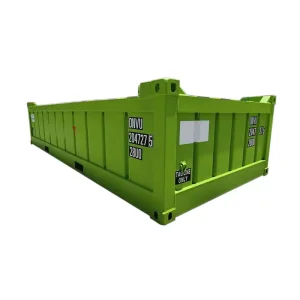
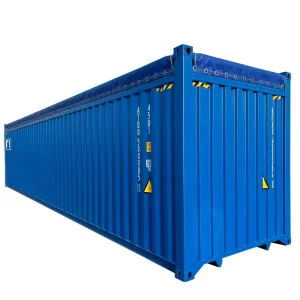
Dense mineral concentrates (such as bauxite, iron ore fines, and copper concentrate) overload the floor beams of standard 20ft dry containers. Half-height open-top ore containers lower the cargo's center of gravity, feature reinforced bottom sills, and enable 360-degree rotary tippler unloading at port terminals, increasing bulk loading efficiency fourfold.
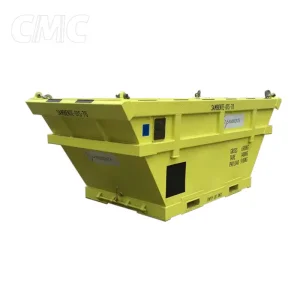
Working in the North Sea, Gulf of Mexico, or West Africa requires equipment that can handle rough waters and salt corrosion. Certified DNV 2.7-1 / ISO 10855 silt baskets and mini-tanks include integrated wire-rope slings, pad eyes tested to 2.5x design gross weight, and marine-grade anti-corrosive paint that resists constant salt spray.
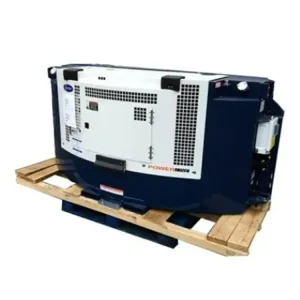
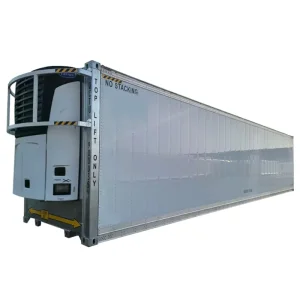
Long rail trips across the Belt and Road Eurasian corridors pass through extreme temperatures from -40°C to +45°C. Integrated clip-on diesel generator sets (gensets) paired with Carrier X4 or Thermo King reefer systems supply independent 460V 3-phase electric power, keeping temperatures constant even when trains stop in remote regions.
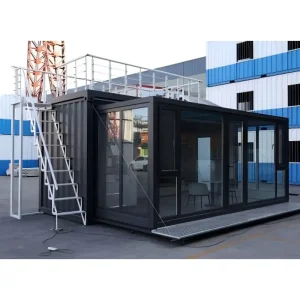
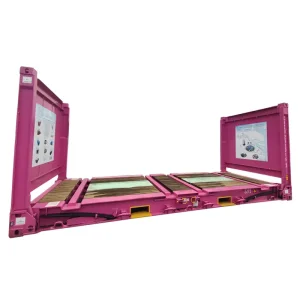
Folding modular structures and ISO-based container conversions deliver turn-key solutions for construction worker camps, emergency field clinics, and remote industrial offices. Factory-fitted fire-rated rockwool panels, plumbing, and electrical lines mean units can be unpacked, erected, and connected to utilities in just hours.
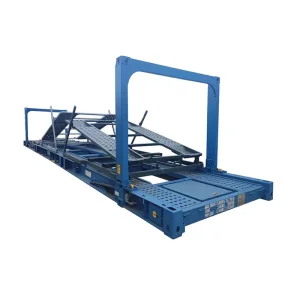
Standard roll-on/roll-off (Ro-Ro) vessels face tight schedules and route bottlenecks. 20ft and 40ft High Cube car-carrier containers use built-in hydraulic or mechanical hoisting ramps to securely load two to four vehicles per box, protecting automobiles from salt air, weather exposure, and terminal handling damage.
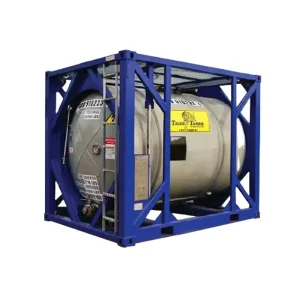
Shipping bulk chemical precursors, liquified gasses, and food syrups safely calls for certified UN Portable Tank (T-Code) containers. Built with 316L stainless steel pressure vessels inside Corten framework, these units handle high pressure, thermal expansion, and repeated steam cleaning without cargo contamination.
Compare baseline technical specs across our most popular standard, reefer, and offshore container builds before finalizing project tenders.
| Container Model Class | Primary Metallurgy | Max Gross Mass (R) | Tare Mass (±2%) | Certified Standards | Primary Industrial Use-Case |
|---|---|---|---|---|---|
| 20ft GP Standard Dry Cargo | SPA-H Corten Steel (1.6–2.0mm) | 30,480 kg (67,200 lbs) | 2,180 kg | ISO 1496/1, BV, CSC | High-density dry goods, machinery, regional ocean routes |
| 40ft HC High Cube Dry Cargo | SPA-H Corten Steel + Bamboo Floor | 32,500 kg (71,650 lbs) | 3,800 kg | ISO 1496/1, ABS, CCS | Volumetric consumer goods, e-commerce freight, site storage |
| 40ft HC Active Reefer Container | MGSS / Al-Alloy / Polyurethane Foam | 34,000 kg (74,950 lbs) | 4,480 kg | ATP, ISO 1496/2, BV | Frozen meats, seafood, vaccines, fresh agricultural produce |
| New Half-Height Ore Carrier | Q355D / Corten Reinforced Sills | 35,000 kg (77,160 lbs) | 2,950 kg | CSC, ISO 1496/1, CCS | Heavy mineral concentrates, bauxite, scrap metal, gravel |
| 10ft / 20ft Offshore Dry Container | Charpy V-Notch Tested Low-Temp Steel | 10,000–16,000 kg | 1,850–3,100 kg | DNV 2.7-1 / EN 12079 | Offshore platform supply, subsea exploration, marine drilling |
| Foldable Modular Housing Shell | Lightweight Galvanized Steel Q235B | Dynamic Structural Rating | 1,250 kg | ISO 9001, CE, BV | Rapid construction site offices, disaster relief housing |
How decarbonization rules, smart IoT sensors, and composite materials are shaping the next generation of intermodal logistics equipment.
Modern fleets are switching from passive dry boxes to smart, connected containers. Low-power satellite and 5G cellular sensors mounted in the door recess track GPS coordinates, door-opening alerts, humidity, g-force impact spikes, and internal temperature in real time, giving fleet owners full visibility across sea and rail legs.
With the IMO's Carbon Intensity Indicator (CII) and EU ETS carbon pricing taking effect, reefer equipment buyers are moving away from older refrigerants like R-134a. New builds are standardizing on R-513A and natural CO2 (R-744) units, using variable-speed inverter compressors that drop operating electrical load by more than 30% per voyage.
Traditional apitong hardwood flooring harvested from tropical rainforests is being replaced by high-density hot-pressed bamboo composite panels and reinforced thermoplastic floor systems. These eco-friendly alternatives offer higher flexural strength, better chemical resistance, and withstand 7,260 kg forklift axle test loads effortlessly.
Learn the core pricing elements that go into factory-direct container quotes to help you negotiate better contracts and run accurate project estimates.
Weathering steel makes up roughly 55% to 65% of an empty dry container's empty tare weight. Factory quotes fluctuate with weekly domestic benchmark prices for hot-rolled Corten coil (SPA-H), so locking in steel purchase windows is essential for large production batches.
For reefer and generator builds, the cooling machinery, diesel power package, and micro-controller account for the majority of equipment cost. Equipment spec (Carrier PrimELINE, Thermo King Magnum Plus, or Daikin LXE) directly dictates your capital expenditure baseline.
Standard CSC safety approvals conducted through Bureau Veritas (BV), ABS, or CCS carry moderate per-lot audit costs. In contrast, offshore certifications (DNV 2.7-1 / EN 12079) require comprehensive material traceability, 100% NDT inspection records, and witnessed lift testing, which is reflected in the final engineering quote.
Buyers can often reduce ocean delivery tariffs by authorizing the factory to license newly built boxes to shipping lines for "one-way revenue cargo positioning." The carrier moves commercial freight in your new containers directly to your destination port, offsetting a substantial portion of transit fees.
Direct technical answers from CIMIC’s marine engineers to help supply chain directors evaluate fleet orders and container performance.
Standard ISO 1496/1 containers rely on eight corner castings engineered for twistlocks and stacked compression within ship container cell guides. DNV 2.7-1 units are built for open-ocean dynamic lifts via crane padeyes and 4-point wire rope slings. They feature low-temperature Charpy-tested structural steel (resistant to brittle fracture down to -20°C) and undergo non-destructive examination (NDE) on all major structural welds.
SPA-H contains small amounts of copper, chromium, and nickel alloy additions. When exposed to ocean salt air and marine humidity, it creates a tight, self-protecting patina that seals out oxygen and moisture. This oxidation barrier slows down core metal loss significantly compared to regular mild carbon steel (Q235), extending the structural life of container walls and floor beams.
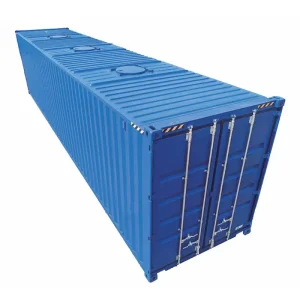
A 45-foot rail container is sized specifically to maximize intermodal pallet space (fitting 33 Euro pallets vs. 25 in a standard 40ft container). It includes a reinforced front sub-assembly built to mount clip-on diesel generator sets (gensets) with extended fuel tanks, providing continuous 460V power along multi-day Silk Road railway runs without grid hookups.
Every seaworthy export container must carry a stainless steel CSC Safety Approval Plate mounted on the left door. This plate lists its maximum gross mass (kg/lbs), allowable stacking weight (typically 216,000 kg for 9-high stacking), and transverse racking test values, stamped and verified by an authorized classification body such as Bureau Veritas (BV), ABS, Lloyd's Register (LR), or CCS.
Standard ISO 20ft and 40ft dry containers run on rolling schedules, with production typically taking 15 to 25 days from drawing sign-off. Highly customized orders (such as DNV offshore baskets, side-opening units, or integrated generator enclosures) generally take 30 to 45 business days to cover prototype fitting, welding, painting, factory testing, and third-party inspection sign-offs.
In a one-way positioning setup, your newly manufactured container is placed in a shipping line's pool at Tianjin, Qingdao, or Shanghai. The carrier fills it with dry export cargo destined for your local port. Once it arrives and cargo is stripped, the container is released directly to your local depot, saving you substantial ocean dead-freight costs.
Factory-direct pricing on certified platform frames, accommodation structures, bulk cargo containers, and heavy open-top boxes.
Leverage four decades of industrial manufacturing experience, Bureau Veritas-certified quality control, and direct-to-port access from our Tianjin and Suzhou production centers.
Work directly with our design engineers to customize internal dimensions, reinforcement sills, side roll-up doors, interior thermal insulation, or custom brand paint schemes to match your cargo requirements.
Every batch comes with official survey certificates from BV, ABS, or CCS. For offshore equipment, full DNV 2.7-1 / EN 12079 compliance packages with low-temperature impact tests are supplied with your delivery.
Get in touch with our export sales engineering desk for project drawings, bill-of-materials analysis, and formal price quotes. Inquiries are typically reviewed and answered within 24 business hours.
