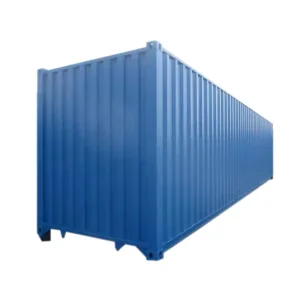
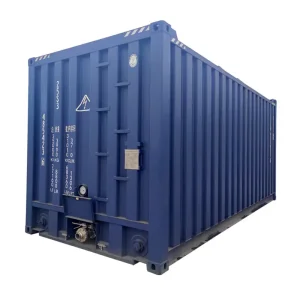
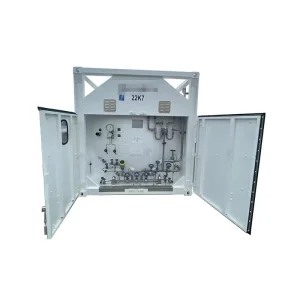
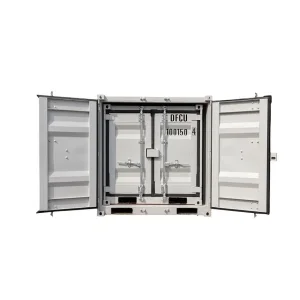
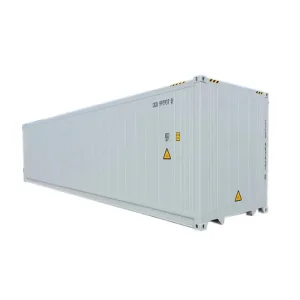
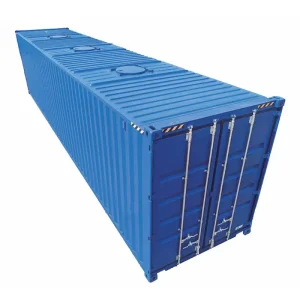
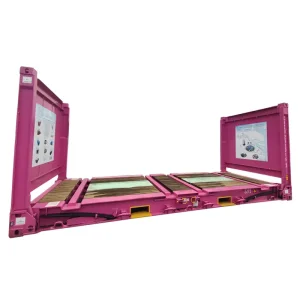
Direct manufacturer supply spanning certified modular infrastructure, alcohol-grade tank containers, bulk dry cargo units, and engineered cold storage platforms.
Navigating the strategic shift toward high-barrier polymeric linings, corrosion prevention, and cleanroom-grade logistics across global chemical and food supply chains.
In modern industrial logistics, standard Corten steel shipping containers are no longer sufficient for moving high-value, highly corrosive, or contamination-sensitive products. As global supply chains face stricter regulatory hurdles—such as REACH, the European Union's Food Contact Framework Regulation (EC 1935/2004), and FDA Chapter 21 requirements—the intermodal market has pivoted rapidly toward internally lined and surface-engineered containers. Lined container units serve two fundamental industrial objectives: preserving structural asset integrity against aggressive cargo (such as technical-grade hydrochloric acid, hazardous agrochemicals, and industrial solvents) and preserving ultra-pure payloads from metallic micro-leaching (such as semiconductor-grade chemicals, high-grade ethyl alcohol, and pharmaceutical active ingredients).
Historically, transporting bulk liquids and moisture-sensitive dry powders relied on unlined carbon-steel drums or single-trip ISO tank liners, both of which created recurring secondary waste, high labor overhead, and unacceptable puncturing risks. Today's global chemical manufacturers and shipping consortia leverage precision fluoropolymer-lined tanks (including PTFE, PFA, and ETFE roto-molded linings), specialized cross-linked elastomeric systems, and heavy-duty, co-extruded woven polyolefin dry bulk liners mounted inside certified 20ft and 40ft intermodal frames. This paradigm reduces lifecycle ownership expenses while establishing absolute compliance with UN Portable Tank guidelines (T11 to T75) and International Maritime Dangerous Goods (IMDG) standards.
As enterprise procurement authorities reassess supply continuity, Chinese manufacturing clusters centered in Tianjin and the Yangtze River Delta have established end-to-end production models. By combining port-adjacent fabrication bases—often positioned less than 100 kilometers from international terminals—with fully integrated robotic welding, vacuum leak verification, and automated coating plants, tier-1 producers provide a dependable supply bridge for global buyers across Africa, the Americas, Europe, and Asia-Pacific.
Standardized evaluation criteria designed by senior logistics engineers for cross-verifying container liner metallurgy, polymer permeability, and operational safety tolerances.
| Containment Classification | Primary Barrier / Liner Chemistry | Payload Profile & Chemical Aggression | Certifications & Test Regimes | Structural Frame / Vessel Spec |
|---|---|---|---|---|
| Acid & Caustic Chemical Tank | Fluoropolymer (ETFE / PFA / PTFE Roto-Lining) 3.0mm–4.5mm | Hydrochloric Acid, Nitric blends, Phosphoric, Caustic Soda | IMDG Chapter 6.7, ADR/RID, BV Certified, ASME VIII Div 1 | ISO 20ft Full Frame, 316L / Q345R Vessel Shell |
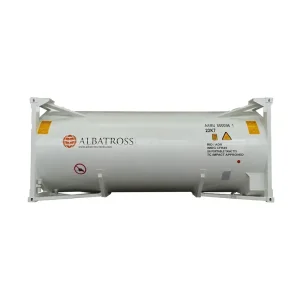
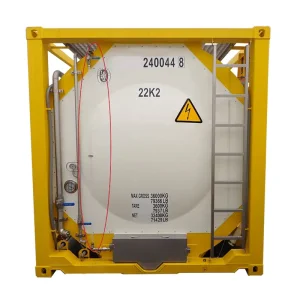
| High-Purity Alcohol & Solvent | Passivated Electro-Polished 316L or Ultra-Clean Polymeric Seal | Pharma Ethanol, Isopropanol (IPA), Specialty Esters | FDA 21 CFR, EC 1935/2004, ISO 1496-3, Spark Tested >15kV | ISO 20ft Beam Tank / Square Liquid Cube Module |
| Intermodal Dry Bulk Liner | Co-extruded Virgin Polyethylene (PE) & Woven PP (120–250 gsm) | Agricultural Grains, Sugar, Resin Pellets, Mineral Powders | CSC International Approval, REACH Compliant, Food Grade | 20ft / 40ft High-Cube Standard Dry Container Shell |
| Cryogenic & Specialized Gas | Multi-Layer Vacuum Insulation (Perlite/Superinsulation) | LNG, Liquid Ethylene, Liquid Argon, Industrial Nitrogen | T75 UN Portable Tank, DNV 2.7-1, EN 12079, Lloyd's Register | Austenitic Stainless Inner Vessel / Carbon Steel Outer |
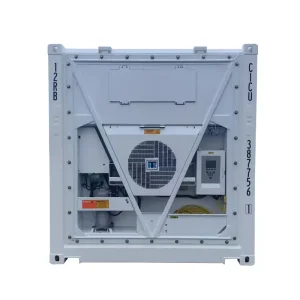
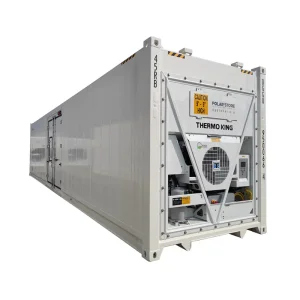
| Temperature-Controlled Cold Chain | High-Density Rigid PU Foam Core with Stainless/GRP Interior | Frozen Meats, Pharmaceuticals, Biologics, Reagents | ATP Certified, BV Class Approval, TIR, ISO 1496-2 | Thermo King / Carrier / Daikin Active Systems, 40ft HC |
Polymeric and fluoropolymer internal linings undergo strict High-Voltage Spark Testing (NACE SP0188) at up to 20,000 volts to identify microscopic pinholes, porosity faults, or joint thinning prior to dispatch, guaranteeing zero shell degradation under high vapor pressure.
FEA computational stress modeling validates that container frame cross-members and shell mounting saddles dissipate g-force shock during ocean swell lashing and humping shocks in transcontinental rail maneuvers without stress cracking the inner chemical barrier.
High-gloss hydrophobic and oleophobic internal surfaces limit residual heel adhesion down to less than 0.05% of volume. This accelerates automated CIP (Clean-in-Place) wash cycles, cuts down hazardous rinse-water disposal fees, and maximizes fleet rotation velocity.
Engineered containment setups tailored to withstand aggressive maritime transit, harsh desert operating theaters, and sterile cleanroom loading bays.
Heavy chemical processors operating in North America, Western Europe, and East Asia rely on our roto-lined ISO tank solutions for corrosive reagent transport. By replacing expensive Hastelloy or titanium tanks with high-adhesion ETFE/PTFE-lined carbon steel, plant operators save up to 45% in capital procurement while matching chemical resistance against corrosive chlorides, sulfuric compounds, and hydrofluoric derivatives.
Transporting potable spirits, liquid sugars, fruit juice concentrates, and edible oils demands zero contamination risk. Our dedicated 20ft alcohol tank containers and food-approved bulk container liners utilize FDA-certified virgin polymer substrates. Integrated aseptic breathing vents, bottom-discharge butterfly valves, and optional thermal blankets ensure temperature stability and preserve product purity during long sea journeys.
The global battery manufacturing boom requires safe delivery of moisture-reactive lithium hexafluorophosphate (LiPF6) and corrosive battery chemicals. Lined container systems engineered with ultra-high purity electropolished stainless interiors and inert argon blanket padding prevent micro-particulate shedding and atmospheric moisture absorption, maintaining parts-per-billion purity standards.
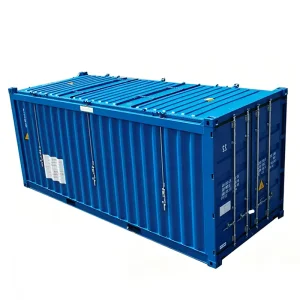
Offshore exploration and open-pit mining demand extreme structural resilience. Built to DNV 2.7-1 and EN 12079 offshore certification standards, our heavy-duty half-height ore containers and rugged offshore reefers endure rough handling, dynamic wave impacts, and dense mineral payloads in corrosive open-ocean conditions.
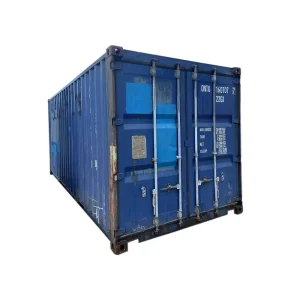
By fitting standard 20ft and 40ft dry cargo shipping containers with custom food-grade polyolefin dry bulk liners, agricultural exporters convert regular freight boxes into sealed bulk transport units. This approach eliminates bagging costs, shields malt, grain, and plastic pellets from humidity, and enables fast discharge via container tipping chassis.
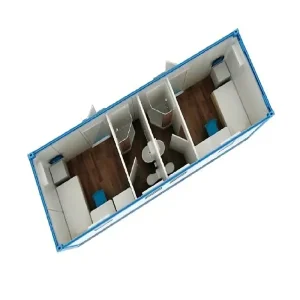
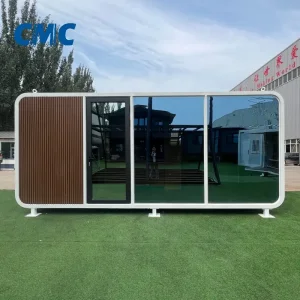
Beyond bulk freight, modular lined container buildings—including insulated living pods, offshore crew accommodation, and climate-shielded work spaces—provide turnkey housing and operations support. Featuring pre-fitted plumbing, thermal insulation, and fire-resistant wallboards, these modular units ship ready for quick setup in remote environments.
The intersection of advanced polymer science, industrial IoT telemetry, and digital twins in modern fleet asset preservation.
The industry's first critical technological upgrade embeds conductive sensing grids directly into multi-layer fluoropolymer and composite container linings. When transporting hazardous Class 8 corrosive substances, any mechanical damage, internal stress-cracking, or micro-permeation closes an electrical micro-circuit before the corrosive fluid can reach the outer steel shell. Integrated satellite-linked ATEX Zone 0 IoT transmitters ping GPS position, internal temperature profiles, vessel ullage pressures, and early-warning containment breach alerts straight to enterprise asset management platforms.
Environmental regulations and corporate decarbonization targets are reshaping liner fabrication chemistry. Research initiatives focus on substituting petroleum-derived polyolefins with bio-circular PE resins synthesized from renewable feedstocks, without compromising tensile elongation or tear resistance. Meanwhile, introducing low-percentage graphene nanoplatelets into fluoropolymer matrices significantly improves thermal conductivity, speeds up external steam-heating cycles for viscous liquids, and reduces gas-vapor permeation rates by over 60% compared to standard ETFE roto-linings.
The future of intermodal container refurbishment will rely on fully autonomous depot workflows. Laser-guided surface preparation robots will strip depleted internal linings, clean surfaces to ISO Sa 3 standards, and apply plasma-sprayed fluoropolymer coats with sub-millimeter precision. Every container's complete maintenance history, including hydro-testing reports, lining thickness scans, and chemical cargo records, will be tracked in an immutable digital twin to simplify certification renewals and preserve secondary asset valuation.
Every container and specialized lined module is designed, produced, and inspected in strict accordance with leading maritime and classification bodies.
Every dry, insulated, and tank container batch passes third-party classification checks by Bureau Veritas. Inspections confirm corner-casting dimensions, weld penetration profiles, corner post load ratings, and full CSC safety compliance for seamless handling on global container lines.
Our production facilities in Tianjin and Suzhou operate under formal ISO 9001 and ISO 14001 systems. Comprehensive material tracking logs mill test reports, steel plate heats, shot-blasting surface profiles, and robotic weld data for 100% component trace verification.
Containers built for offshore exploration platforms and rig supply comply fully with DNV 2.7-1 and EN 12079 structural standards. Each offshore unit includes heavy-duty pad-eyes, certified 4-point wire rope lifting slings, and impact-resistant structural steel for cold-weather marine handling.
Clear, direct answers from our engineering and export departments on lining options, chemical compatibility, inspection protocols, and logistics planning.
Explore our extended lineup of certified dry cargo boxes, liquid tank containers, cryogenic gas equipment, and modular offshore housing.