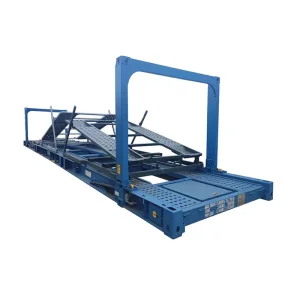
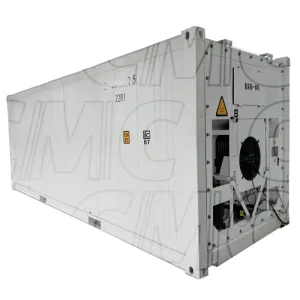
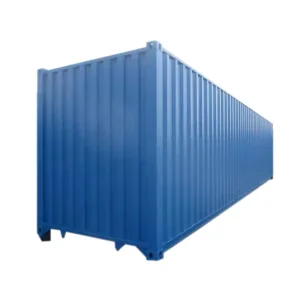
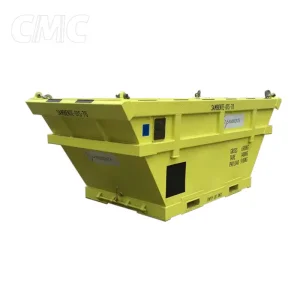
Direct from Tier-1 Tianjin and Suzhou manufacturing facilities. Certified under BV, ISO, and DNV maritime classifications with engineered high-tensile securing interfaces.
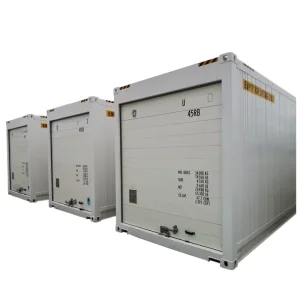
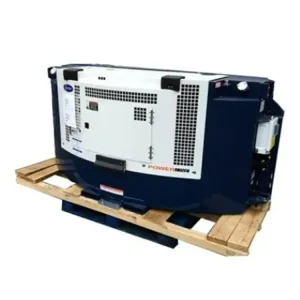
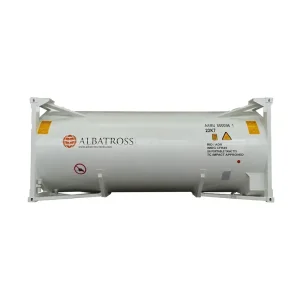
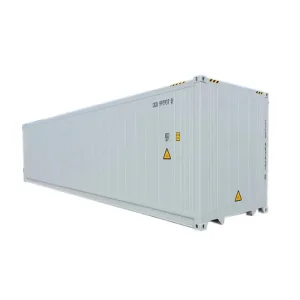
Understanding the multi-axis forces in intermodal freight and why factory-engineered securing fixtures form the cornerstone of global maritime safety.
In intermodal container logistics, securing a shipping container is not merely an operational checklist; it is an exacting branch of structural engineering governed by international maritime law, physics, and metallurgical integrity. When a 30.48-tonne ISO container navigates open oceanic sea routes, it is subjected to six degrees of spatial acceleration: pitch, roll, yaw, heave, sway, and surge. Under high sea states (Beaufort force 8 and above), dynamic transverse racking loads can rapidly exceed hundreds of kilonewtons. Without precision-cast ISO corner castings and certified lashing systems, stack collapse and loss of cargo become imminent threats.
At CIMIC (Tianjin Cimic Imp&Exp Co., Ltd.), container fabrication processes incorporate heavy Corten steel (SPA-H / Q345D grade) frames welded to precision-machined ISO 1161 corner fittings. These components represent the standardized structural nodal points where every securing device—such as intermediate semi-automatic twistlocks, transverse bridge fittings, base foundation twistlocks, and deck lashing rods—exerts its mechanical restraint. Failure to match certified hardware with calibrated factory tolerances leads to premature shear failure, micro-cracking under cyclic loading, and catastrophic cargo shifts.
Manual and semi-automatic twistlocks lock vertical stacks directly through ISO top and bottom apertures, resisting upward vertical heave and roll tipping moments exceeding 420 kN of tension.
High-tensile forged turnbuckles and lashing rods anchor corner castings to deck D-rings at 45-degree angles, countering dynamic lateral shear forces that cause container racking deformation.
Bridge clamps and fittings horizontally interconnect adjacent container tiers, equalizing acceleration burdens across the cellular matrix and eliminating localized torsional stress concentrations.
Hardened alloy steel lock boxes, high-security barrier bolt seals compliant with ISO 17712, and integrated tamper-proof hidden deadbolts protect static and transit inventory against illicit access.
Direct factory cost breakdowns for intermodal securing hardware, ISO specialized containers, and certified marine accessories based on Q1/Q2 production batches.
Global procurement teams operating in intermodal transportation, offshore energy exploration, and cold chain distribution require total cost transparency. The cost of securing containers encompasses both the structural build of the container itself and the specialized rigging and securing hardware. The table below represents realistic factory benchmarks (FOB Tianjin/Shanghai/Qingdao) from qualified Tier-1 manufacturing sources, detailing load thresholds and procurement volume tiers.
| Equipment / Hardware Category | Technical Specification & Standard | Proof / Working Load (SWL) | Material / Surface Finish | Factory FOB Price (USD) | Order Lead Time |
|---|---|---|---|---|---|
| Semi-Automatic Twistlock | Dual-cone ISO deck interlock, Class BV certified | Tension: 500 kN / Shear: 420 kN | Forged Alloy Steel, Hot-Dip Galvanized | $28.50 – $38.00 / pc | In Stock (3-5 Days) |
| Manual Intermediate Twistlock | Standard left/right locking handle mechanism | Tension: 500 kN / Shear: 380 kN | Drop Forged Cast Steel, HDG | $19.50 – $26.00 / pc | In Stock (3-5 Days) |
| Container Bridge Fitting | Transverse clamping, adjustable 260mm–380mm | Proof Load: 100 kN | High Tensile Cast Steel, Galvanized | $14.00 – $22.50 / pc | In Stock (3-5 Days) |
| Container Lashing Rod & Turnbuckle | Knob type / eye head rod with acme thread body | Breaking Load: 500 kN | Forged Q345 Steel, Electro-Galvanized | $42.00 – $68.00 / set | 7 - 10 Days |
| Weldable Deck D-Ring Foundation | Single/double lashing ring with base plate | MBL: 500 kN / SWL: 250 kN | C-Mn Marine Grade Steel, Self-Color/Zinc | $11.50 – $18.00 / pc | In Stock (3-5 Days) |
| ISO 1161 Corner Castings (Full Set) | 8 pcs (2 TL, 2 TR, 2 BL, 2 BR), ABS / BV cert | Designed for 848 kN stacking load | Cast Steel SCW480 / ASTM A27 Grade 70-36 | $160.00 – $240.00 / set | Ready to Ship |
| Heavy Duty Container Lock Box | Tamper-resistant hooded padlock housing | Exceeds ASTM F883 anti-drill tests | Heavy Gauge Corten Plate, Powder Coated | $35.00 – $55.00 / pc | Immediate Dispatch |
| DNV 2.7-1 Offshore Rigging Sling | 4-part wire rope sling with master link & shackles | Calibrated to 1.5x - 3x Gross Dynamic Weight | Grade 80 / 100 Galvanized Wire Rope | $380.00 – $850.00 / set | 10 - 14 Days |
| Standard 20ft Dry Cargo Container | ISO 1496-1, Corten SPA-H steel, wooden floor | Max Gross Weight: 30,480 kg | Zinc-rich primer + Polyurethane topcoat | $1,850 – $2,350 / unit | 14 - 20 Days |
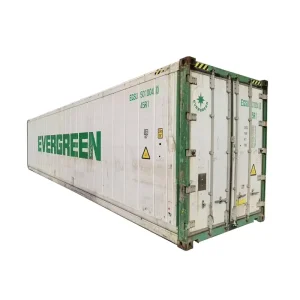
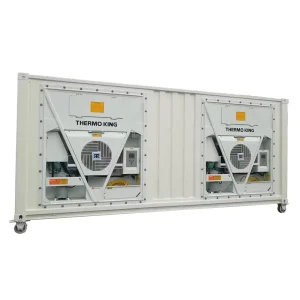
| 40ft High Cube Certified Reefer | Stainless steel inner lining, Daikin/Carrier unit | Temp range: -30°C to +30°C | Muffler grade SS interior, MGW 34,000 kg | $12,500 – $16,800 / unit | 15 - 25 Days |
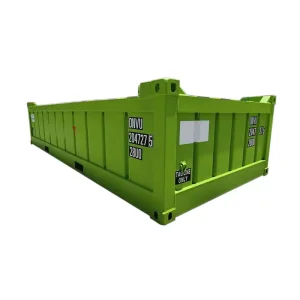
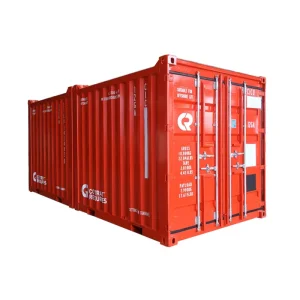
| DNV 2.7-1 Offshore Dry Container | Heavy-duty certified offshore lifting unit | Designed for dynamic offshore lifting | Full DNV marine paint, pad eyes included | $5,200 – $7,900 / unit | 20 - 30 Days |
* Note: Prices reflect wholesale B2B pricing bands for minimum commercial quantities. Customized RAL color, brand silk-screening, modified floorings (bamboo, steel checker-plate), and third-party inspection fees (ABS/BV/Lloyd's Register) are subject to project engineering review.
How global infrastructure, chemical processing, cold-chain logistics, and offshore exploration secure assets across high-risk corridors.
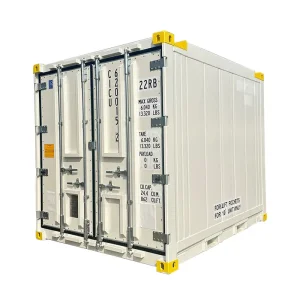
Pharmaceuticals and perishables depend on refrigerated containers with integrated telemetry and lock-rod immobilizers. Active temperature monitoring prevents cold-chain disruption while tamper-evident seals eliminate cargo diversion risks.
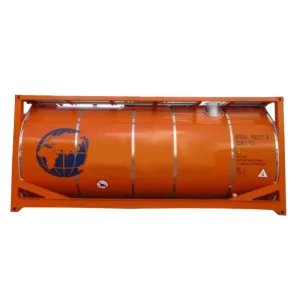
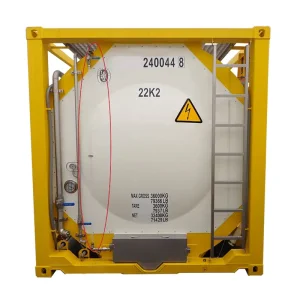
Transporting alcohols, LNG, and petrochemicals requires ISO tank containers engineered within high-tensile crash-tested skeletal frames. Intermediate twistlocks and ISO bottom chassis locks ensure absolute stability during sudden rail shunts.
Harsh marine environments governed by DNV 2.7-1 and EN 12079 demand integrated four-point pad-eyes welded directly into structural corner posts. Dynamic crane snatch loading requires certified wire-rope slings and load-tested safety bow shackles.
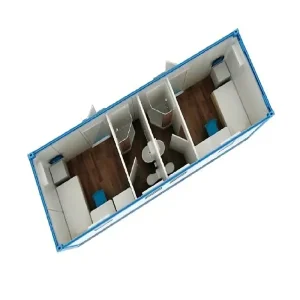
Modular accommodation units, containerized generators, and site tool vaults require ground anchor systems and mechanical twistlock footings to resist catastrophic microburst winds, seismic tremors, and unauthorized forced entry.
The transition from passive mechanical securing mechanisms to autonomous, digitally verified, and sensor-monitored intermodal security ecosystems.
The container manufacturing and securing industry is undergoing an unprecedented technological shift driven by automation, decarbonization, and supply-chain digitization. CIMIC's engineering division collaborates with global marine research bodies to develop next-generation securing architectures that combine advanced metallurgic treatments with autonomous sensing nodes.
Real-time micro-sensors embedded inside interbox twistlocks actively transmit tension and shear data across shipboard LoRaWAN networks, warning bridge personnel of impending stack failure before structural rupture occurs.
Eliminating conventional plastic seals, automated RFID/NFC E-seals generate asymmetric cryptographic timestamps upon door closure, transmitting satellite alarms if door aperture integrity is compromised in international waters.
CIMIC is pioneering graphene-infused epoxy primer systems on high-stress securing anchor points, achieving over 3,000 hours of continuous ASTM B117 salt-spray resistance—doubling the operational lifespan in offshore marine zones.
Next-generation solar reefers utilize integrated DC inverter systems coupled with continuous smart door electromagnetic locks, running indefinitely in unpowered depots without relying on external diesel generators.
How Tier-1 Chinese manufacturing yards in Tianjin and Suzhou ensure zero-defect fabrication through destructive testing and non-destructive examination (NDE).
For international buyers, auditing a Chinese container manufacturing plant involves far more than reviewing commercial business licenses. It requires rigorous technical oversight of weld geometries, metallurgical traceability, and destructive testing methodologies. CIMIC adheres to an uncompromising, multi-stage Quality Assurance & Quality Control (QA/QC) workflow certified by Bureau Veritas and ISO 9001.
Every batch of Corten steel plate and SCW480 cast steel corner castings is matched with EN 10204 3.1 chemical analysis and tensile yield certificates, validating phosphorus and copper alloying for atmospheric corrosion resistance.
All critical load-bearing joints between the ISO corner castings, front corner posts, and bottom side rails undergo Magnetic Particle Inspection (MPI) and Ultrasonic Testing (UT) to detect subsurface inclusions or lack of fusion.
Under ISO 1496-1 testing protocols, prototype boxes are subjected to 150 kN of static lateral force applied directly to the top corner castings, verifying that maximum deflections remain within certified elastic deformation limits.
Every newly built container receives a permanent stainless steel CSC (International Convention for Safe Containers) safety approval plate, certified on-site by Bureau Veritas, Lloyd's Register, or DNV classification surveyors.
Ensuring compliance with IMO CSS Codes, SOLAS VGM requirements, and customs cross-border clearance protocols.
Securing containers across multimodal corridors is heavily governed by strict international treaties. Non-compliant lashing or faulty securing mechanisms lead to port-state detentions, immediate cargo rejection, and severe financial penalties under maritime insurance clauses.
Under the International Maritime Organization's SOLAS Chapter VI amendment, the Verified Gross Mass (VGM) must be certified prior to loading. Factory calibrated corner-casting scales ensure calibrated weight documentation.
With fabrication hubs in Tianjin and Suzhou located approximately 100 kilometers from prime deep-water container terminals, CIMIC achieves swift dispatch onto mainline carrier vessels, reducing secondary drayage risks.
To eliminate prolonged lead times for global freight forwarders, CIMIC maintains certified one-trip and inspected cargo-worthy used containers stored across major Chinese seaports for same-week export readiness.
Every specialized container build (roll-up reefer, half-height ore carrier, accommodation pod) is paired with CAD structural drawings, lashing plan schematics, and class certification documentation for seamless port clearance.
Direct technical answers from CIMIC senior mechanical engineers on hardware tolerances, factory minimums, and intermodal transport security.
Specialized heavy haulage, offshore containers, certified tank transports, and temperature-controlled solutions engineered for global industrial reliability.