Direct manufacturer deployment with full classification society approvals (BV, ISO, DNV) and global freight readiness.



Why 10-foot containers possess a distinct pricing dynamic compared to 20ft and 40ft units across primary commercial and industrial markets.
Because maritime shipping slots are standardized around 20ft and 40ft cells, dedicated 10-foot units are manufactured and interlocked as modular pairs ("duopacks") using ISO corner casting couplers to allow standard sea freight without slot penalties.
A 10ft container requires almost 70% of the high-tensile SPA-H Corten steel, welding steps, and robotic sandblasting/marine paint cycles of a 20ft unit, despite having only 50% of the internal volume. This creates a higher cost-per-cubic-meter ratio.
Standard ISO 1496-1 certifications and specialized offshore DNV 2.7-1 / EN 12079 lift standards demand stringent cyclic drop tests, non-destructive weld examinations, and pad-eye load calculations, directly impacting base manufacturing costs.
| Container Classification | Typical Dimension (L × W × H) | Structural Compliance | Estimated Direct Factory Cost | Core Application Profile |
|---|---|---|---|---|
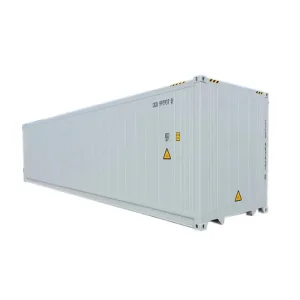
| 10ft Standard Dry Cargo (New) | 2,991 × 2,438 × 2,591 mm | ISO 1496-1, CSC Approved, BV Certified | $2,100 – $3,200 | Urban storage, mining secure tools, utility enclosures |
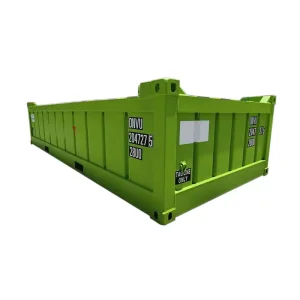
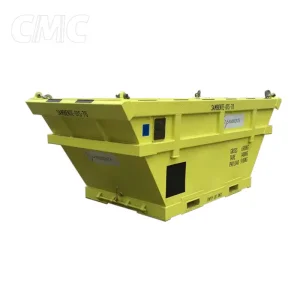
| 10ft DNV Offshore Cargo Unit | 2,991 × 2,438 × 2,591 / 2,896 mm | DNV 2.7-1, EN 12079, Marine Sling Set | $4,800 – $7,500 | Subsea rigs, FPSO supply, chemical deck transport |
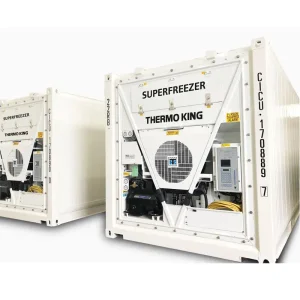
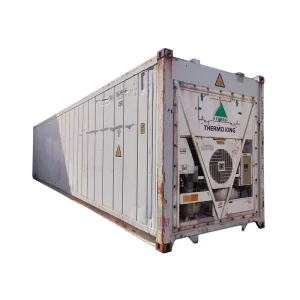
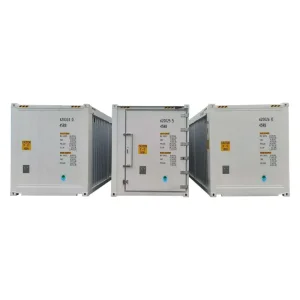
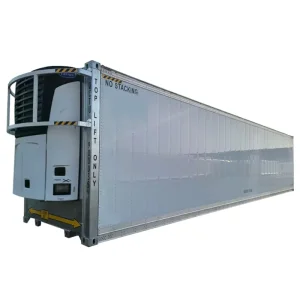
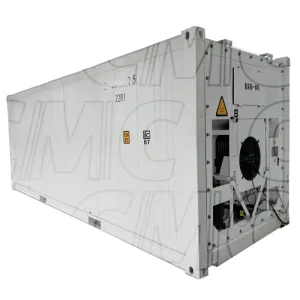
| 10ft Active Reefer (Carrier/Thermo King) | 2,991 × 2,438 × 2,591 mm | ISO 1496-2, Food Grade Stainless Interior | $8,500 – $13,200 | Pharma storage, biomedical cold storage, localized event catering |
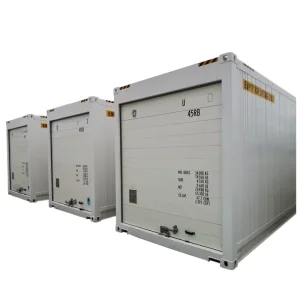
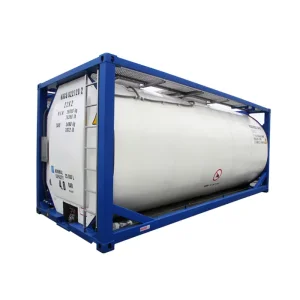
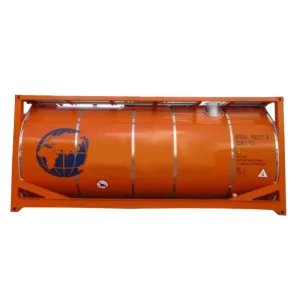
| 10ft Hazardous Chemical / Tank Shell | Project Specific / ISO Frame | ASME VIII, IMDG Code, ADR/RID | $9,000 – $16,500 | Industrial fluids, petrochemical site reagents, remote refueling |
How CIMIC leverages port-adjacent automated fabrication to eliminate double handling and optimize total landed costs for overseas buyers.
High-speed roll forming of corrugated side panels and roof profiles ensures dimensional stability within sub-millimeter tolerances, ensuring interchangeable parts and leak-free perimeter seals.
Steel assemblies are stripped of mill scale and pre-treated to standard SA 2.5 profile prior to the application of zinc-rich primers, high-build epoxy barriers, and polyurethane exterior finishes.
Direct rail and low-bed haulage corridors from Tianjin and Suzhou production plants bypass regional transfer yards, eliminating drayage markups and slashing dispatch cycles by 3 to 7 working days.
10-foot containers solve spatial constraints where conventional 20ft/40ft units cannot navigate or operate efficiently.
DNV-certified 10ft half-height and dry tool containers fit tightly congested platform crane paths and supply-vessel deck configurations under extreme sea states.
Utilized as compact structural housings for Battery Energy Storage Systems (BESS), solar inverter hubs, and modular telecom micro-data stations in remote regions.
Metropolitan sites with restricted access lanes demand 10ft units for lockable tool security, pedestrian bypass tunnels, and compartmentalized self-storage facilities.
Equipped with Carrier, Daikin, or Thermo King refrigeration units to provide decentralized temperature-controlled staging for pharmaceuticals, seafood docks, and fresh distribution.
How engineering innovations and circular economy initiatives are redefining compact intermodal manufacturing through 2030.
Enterprise buyers are transitioning from passive steel boxes to intelligent sensor-integrated containers featuring real-time GPS tracking, internal volumetric scanning, door status alarms, and digital temperature telematics.
Regulatory pressures across Europe and North America have accelerated the elimination of tropical hardwood flooring in favor of sustainably farmed bamboo composites, polyurethane hybrid floors, and waterborne anti-corrosion barrier coatings.
Rather than performing aftermarket modifications locally, procurement teams order turnkey custom factory units outfitted with acoustic louvers, explosion-proof electrical harnesses, fire-suppression manifolds, and custom insulation batts directly from Tianjin.
Key information regarding international compliance, payload capabilities, shipping logistics, and custom manufacturing.
10ft containers are joined end-to-end using certified horizontal twistlocks and coupling blocks to create a standard 20ft ISO footprint ("duopack"). This enables ocean carriers to lift, stow, and stack them within ordinary container ship cells without out-of-gauge surcharges.
A standard 10ft ISO container typically features a maximum gross weight rating of 10,000 kg to 12,000 kg. With a tare weight of roughly 1,300 kg to 1,500 kg, it provides a functional payload capacity of around 8,700 kg to 10,500 kg, engineered with high structural rigidity.
Standard ISO containers are engineered for smooth multimodal shipping and vertical stacking. DNV 2.7-1 units are built for harsh offshore marine duty, featuring structural steel with verified low-temperature Charpy impact toughness (-20°C or lower), specialized pad-eyes, and certified lifting slings.
Yes. As an OEM/ODM manufacturer, we fabricate custom door configurations (full-side opening, hydraulic hatches, roll-up shutters), internal thermal insulation (PU spray foam, rockwool, PIR panels), and ventilation setups based on client project drawings.
While standard builds can be sourced in small batches or as duopacks, highly customized engineering orders typically require an MOQ of 2 to 4 units (or 1 to 2 duopacks) to optimize automated tooling, laser cutting sequences, and classification witness testing.
Our standard export coating process utilizes a three-tier marine paint scheme: a zinc-rich epoxy primer (30μm), an epoxy intermediate barrier coat (40μm), and a polyurethane or acrylic topcoat (40μm), achieving over 110μm total dry film thickness (DFT) for C5-M marine exposure.
Engineered for global deployment across road, rail, mining sites, marine transport, and temperature-controlled trade channels.