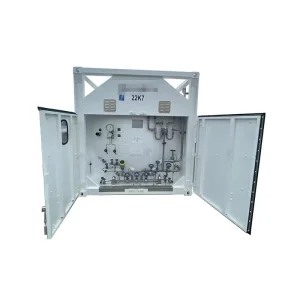
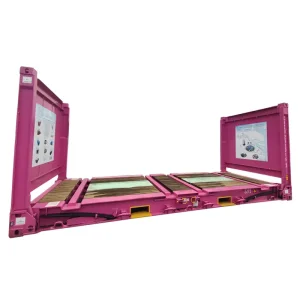
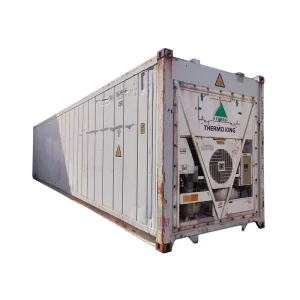
Explore certified dry cargo, high-cube refrigeration, cryogenic tank, and offshore container units engineered for optimal volumetric payload efficiency.
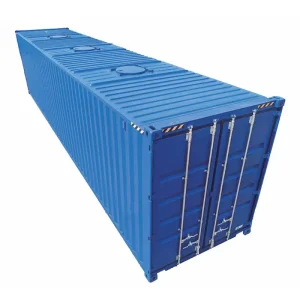
In multimodal freight optimization, precise cubic foot quantification directly dictates stowage factor analysis and TEU rate yields.
| ISO Container Classification | Nominal Volume (Cu. Ft.) | Metric Volume (CBM) | Internal Dimensions (L × W × H) | Tare Weight Range | Max Usable Payload |
|---|---|---|---|---|---|
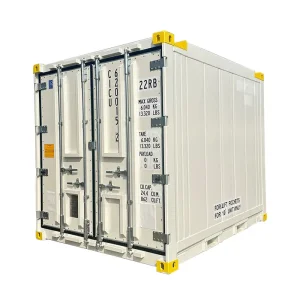
| 10ft Standard Dry / Reefer | 560 – 580 cu. ft. | 15.8 – 16.4 m³ | 2.84m × 2.35m × 2.39m | 1,200 – 1,900 kg | 8,800 – 10,000 kg |
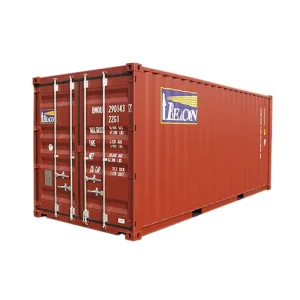
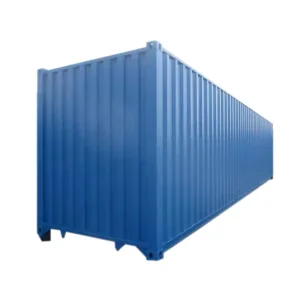
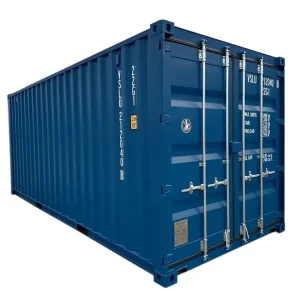
| 20ft Standard Dry (GP) | 1,172 cu. ft. | 33.2 m³ | 5.898m × 2.352m × 2.393m | 2,200 – 2,350 kg | 28,130 kg |
| 20ft High Cube (HC) | 1,320 cu. ft. | 37.4 m³ | 5.898m × 2.352m × 2.698m | 2,380 – 2,500 kg | 28,100 kg |
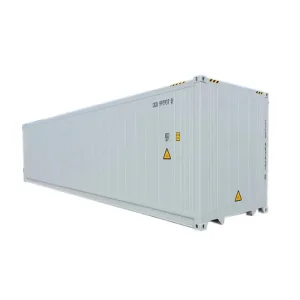
| 40ft Standard Dry (GP) | 2,390 cu. ft. | 67.7 m³ | 12.032m × 2.352m × 2.393m | 3,750 – 3,900 kg | 26,730 kg |
| 40ft High Cube (HC) | 2,694 – 2,700 cu. ft. | 76.2 – 76.4 m³ | 12.032m × 2.352m × 2.698m | 3,900 – 4,150 kg | 28,350 kg |
| 40ft HC Thickened Foam Reefer | 2,380 cu. ft. | 67.3 m³ | 11.583m × 2.290m × 2.540m | 4,480 – 4,700 kg | 29,500 kg |
*Note: Usable internal cubic feet for active reefer or insulated containers depends on the duct line, T-bar flooring depth, and inner baffle tolerances. Engineering CAD files provide certified payload boundaries.
Global logistics engineering has moved beyond basic dimensional fabrication into smart, dynamic, and maximized volumetric infrastructure.
By shifting to structural micro-alloyed corten steel (SPA-H), side-wall corrugations can be narrowed by up to 12mm without compromising ISO 1496-1 transverse stacking rigidity, creating up to 45 additional usable cubic feet in standard 40ft HC profiles.
Modern reefer configurations replace conventional, bulky 100mm polyurethane panels with nanostructured aerogel/VIP composite barriers. This delivers thermal resistance equal to traditional specs while reclaiming over 85 cubic feet of internal cargo volume.
Enterprise smart containers now feature roof-mounted LiDaR and ultrasonic sensor grids. Logistics teams receive real-time visibility into actual space consumption, volumetric load shifting, and ambient atmosphere across multi-carrier intermodal journeys.
Procurement leaders evaluate total freight efficiency beyond the initial steel unit cost, focusing closely on volumetric return on investment.
Global FMCG and consumer electronics shippers prioritize internal clear envelope ratios. Maximizing usable cubic capacity minimizes broken stowage, directly lowering ocean freight costs per unit moved.
Procurement teams require unified compliance packages—including CSC (Container Safety Convention), Bureau Veritas (BV), ISO 9001/14001, and DNV-GL offshore certifications—for intermodal clearance without border inspection bottlenecks.
Extreme maritime salinity demands advanced zinc-rich epoxy primers, high-solid polyurethane coatings, and automated seam-welding to ensure containers maintain their structural volume and weather-tight seal across a 15-year lifecycle.
Our smart manufacturing hubs in Tianjin and Suzhou deploy automated robotic assembly lines and digital twins to deliver structural precision, rapid lead times, and global cost advantages.
China's container manufacturing supply chain provides full backward integration—from high-tensile structural steel blast processing to robotic roll-forming and eco-friendly paint lines. Facilities situated ~100 km from Tianjin and Suzhou deepwater ports reduce inland repositioning costs, shield buyers from drayage delays, and provide agile dispatch for standard configurations, high-cube models, and custom builds.
Custom cubic foot layouts engineered for real-world environmental stress, industrial operating conditions, and cargo requirements.
Reinforced corner posts and understructure allow high-density dynamic stacking on cross-border rail links. Temperature-controlled reefers maintain reliable internal cubic temperatures through severe Siberian cold and Central Asian heat waves.
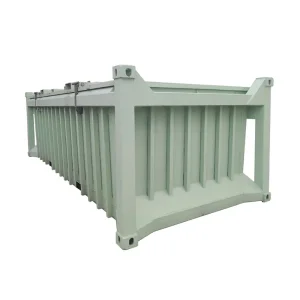
DNV-certified half-height and dry containers with integrated pad-eyes and dynamic sling assemblies. Built to handle rough sea conditions while carrying heavy tools, high-density ore, and critical deepwater supplies.
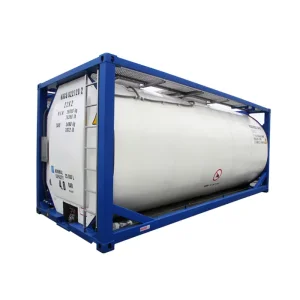
T75 ISO tank containers are engineered to transport LNG, liquid oxygen, and chemicals. Vacuum multi-layer insulation systems maintain low boil-off rates across ocean and truck legs without requiring external power.
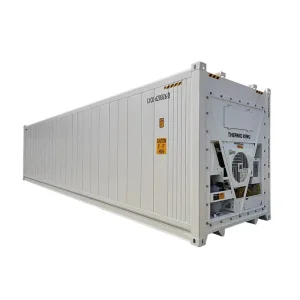
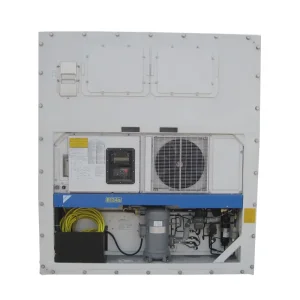
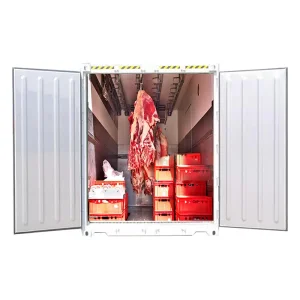
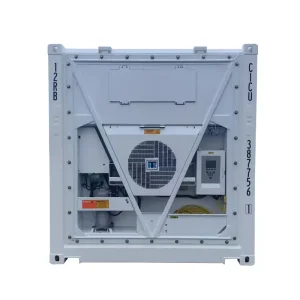
Meat-hanging rails and optimized internal T-floors maximize air circulation. Paired with Carrier, Daikin, or Thermo King machinery, these units protect temperature integrity across multi-week sea transit.
Authoritative answers addressing technical sizing, fabrication, classification, and volume calculations.
Gross exterior volume is calculated from outer corner castings (e.g., standard 40ft: 40' × 8' × 8.5' = 2,720 gross cubic feet). True internal usable cubic feet accounts for structural corrugations (typically 2" wall recesses), marine plywood flooring, and door opening clearances, resulting in 2,390 cu. ft. for a standard 40ft dry unit and 2,694 cu. ft. for a 40ft High Cube.
A 40ft High Cube adds 1 foot of vertical clearance (9'6" vs 8'6"), providing roughly 304 extra cubic feet (~12% more volume) with minimal weight impact. Shippers carrying lightweight or high-volume freight significantly reduce cost per cubic meter by maximizing the taller envelope.
Standard 40ft reefer units use 70mm to 100mm rigid polyurethane foam insulation, reducing internal usable volume to ~2,380 cu. ft. compared to dry containers. Our vacuum insulated panel (VIP) composites reduce wall thickness to 50mm, returning up to 80 cu. ft. of usable space while maintaining strict thermal values.
Our container units comply with ISO 668, ISO 1496-1, and CSC requirements, backed by testing and certification from Bureau Veritas (BV). Offshore units meet DNV GL (DNV 2.7-1 / EN 12079) standards for offshore dynamic lifting and harsh open-sea operations.
We partner with leading global refrigeration brands—Thermo King, Carrier, and Daikin. Customers select models matching their regional service presence to ensure easy access to warranty support, field service, and certified spare parts at destination ports.
Unit prices depend on steel indices (SPA-H corten), customization details (such as dual end-doors, side roll-up doors, and interior hanging systems), insulation type, refrigeration model, and order volume. We provide clear FOB and CIF cost breakdowns to help buyers balance capital expenditure and long-term operating costs.
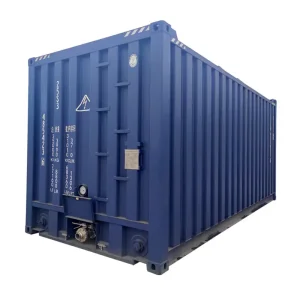
Engineered intermodal containers designed for bulk liquid, heavy ore, mining cargo, and specialized transport applications.