Engineered to withstand rigorous international marine transit, extreme payloads, and continuous operation in demanding environments.
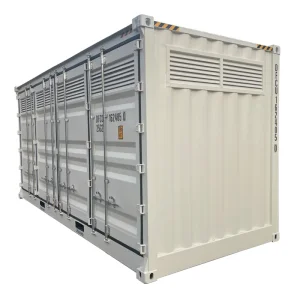
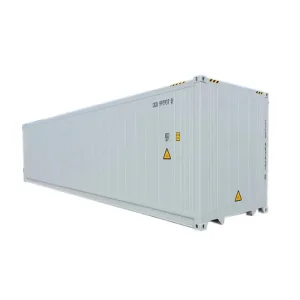
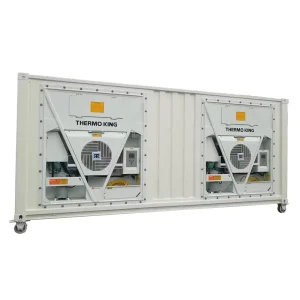
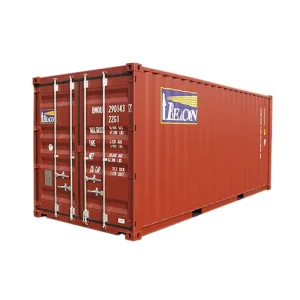
How the structural evolution of High Top (High Cube) containers has reshaped modern logistics throughput across marine, intermodal, and remote cold chains.
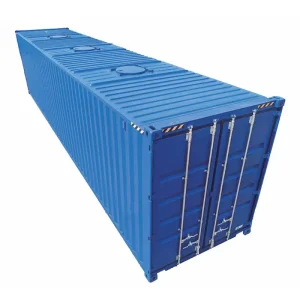
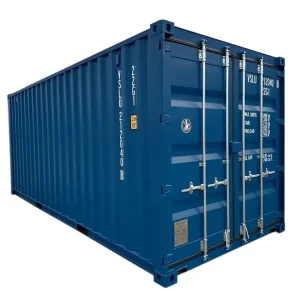
Standard High Top containers provide an additional 30 cm (approx. 1 foot) of vertical clearance over standard-height units. This extra space delivers an incremental 12% to 15% internal volume, reducing ocean freight costs per cubic meter for low-density, high-cube commodities such as consumer goods, packaged foodstuffs, and bulky automotive parts.
Global supply chains now demand longer operational life cycles. Fabricated with Corten-A weathering steel, fully welded roof assemblies, and marine-grade anti-corrosive epoxy primers, modern high-cube enclosures resist saline degradation during extended open-deck ocean transits and heavy monsoon transport.
By fitting optimal payload volumes on standard railway and road chassis platforms, high top units directly lower fuel burn and ton-kilometer carbon footprints. This aligns with Tier-1 freight operators targeting strict ESG benchmarks along inland rail and trucking corridors.
Positioned within 100 kilometers of the world's most capable container berths in Tianjin and Suzhou, our manufacturing processes unify raw material integration with swift dispatch.
Automated longitudinal seam welding, robotic corner-casting jigs, and multi-axis plasma plate profiling yield tolerances within sub-millimeter margins. This ensures exact alignment with twist locks, ship cells, and modular intermodal chassis without physical binding.
Operating manufacturing facilities roughly 100 km from Tianjin Port allows immediate terminal gating without domestic drayage delays. Importers avoid long highway transfers, bottlenecks, and pre-loading demurrage penalties, achieving predictable shipping schedules.
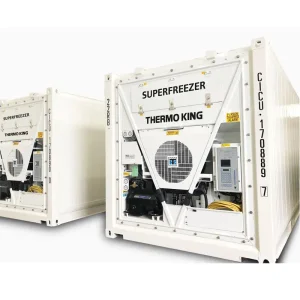
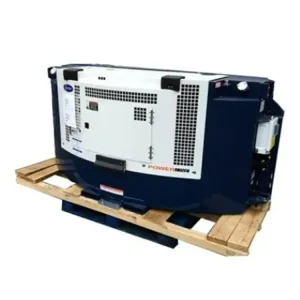
Our reefer and climate-controlled high cubes integrate verified systems from industry leaders like Carrier, Daikin, and Thermo King. This provides end users with worldwide warranty access, factory-backed troubleshooting, and readily available spare parts in over 120 countries.
Reference technical metrics compiled by senior engineering personnel to guide industrial procurement decisions.
| Container Classification | External Dimensions (L x W x H) | Internal Volume | Max Gross Mass (Payload) | Primary Industrial Use Case |
|---|---|---|---|---|
| 20ft High Cube Standard Dry | 6,058 x 2,438 x 2,896 mm | 37.4 m³ (1,320 cu ft) | 30,480 kg (28,300 kg payload) | Dense industrial equipment, tool kits, and regional intermodal hub cargo. |
| 40ft High Cube Corten Dry | 12,192 x 2,438 x 2,896 mm | 76.4 m³ (2,700 cu ft) | 32,500 kg (28,620 kg payload) | Standard oceanic transit, high-volume consumer goods, and commercial pallet freight. |
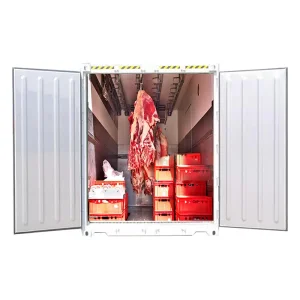
| 40ft HC Integrated Reefer | 12,192 x 2,438 x 2,896 mm | 67.9 m³ (2,398 cu ft) | 34,000 kg (29,520 kg payload) | Cold-chain meat transshipment, temperature-sensitive pharmaceuticals (-30°C to +30°C). |
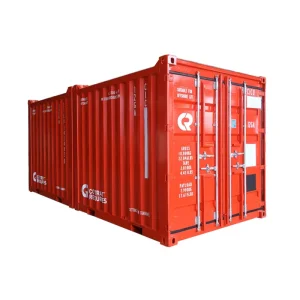
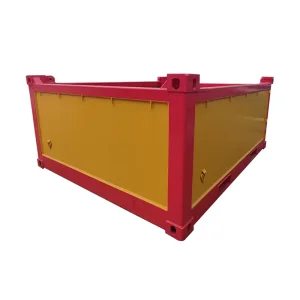
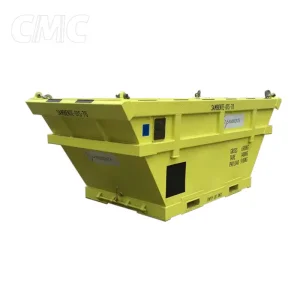
| DNV 2.7-1 / ISO 10855 Offshore | Custom / Standard 10ft & 20ft | Variable per build | Certified up to 18,000 kg dynamic | Offshore oil & gas rigs, silt/drill basket lifting, and subsea maintenance equipment. |
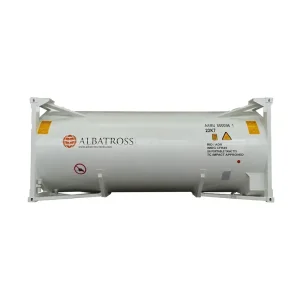
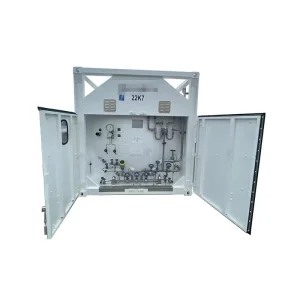
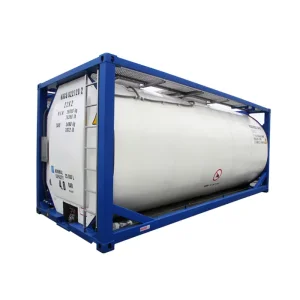
| T75 Cryogenic ISO Tank | 6,058 x 2,438 x 2,591 mm | 22,000 L | 36,000 kg gross | Bulk cryogenic fluids, liquefied natural gas (LNG), industrial argon, and liquid oxygen. |
Configured for reliable operation across distinct sectors and challenging global operating environments.
Offshore silt baskets and DNV-certified open-top modules provide structural strength during high-swell deck lifts. Tested under sub-zero conditions, these units resist shock stress and saltwater washdown on platforms in the North Sea, West Africa, and Southeast Asia.
Hanging meat hooks, aluminum T-floors, and thick polyurethane foam insulation provide stable airflow and temperature control for high-value proteins, fresh fruits, and biological supplies across trans-Pacific and overland rail routes.
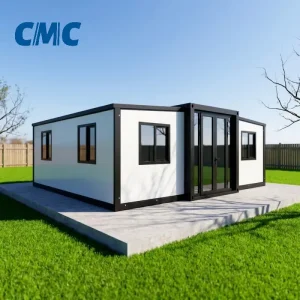
High top containers serve as structural building blocks for modular field offices, power generation rooms, telecommunication centers, and emergency field hospitals, requiring minimal site preparation before commissioning.
Emerging structural, digital, and environmental demands guiding procurement teams through 2030.
Modern high cubes are increasingly specified with factory-integrated real-time tracking, internal atmosphere monitoring (O2/CO2 levels), and remote compressor diagnostics. This helps reduce cargo spoilage and supports automated supply chain monitoring.
Global environmental mandates have accelerated the shift toward waterborne paint systems and VOC-free protective sealants. These systems reduce environmental impact during manufacturing while maintaining durability against maritime weather.
Procurement for high cubes extends beyond traditional freight. Specialized orders increasingly serve as enclosures for containerized battery energy storage systems (BESS), mobile server arrays, and water purification units, using the added height for air routing and overhead cabling.
Key information regarding international logistics standards, manufacturing capabilities, and order processes.
Heavy-duty, temperature-controlled, cryogenic, and modular container designs engineered to demanding commercial criteria.