Manufactured to rigorous international maritime standards, our specialized freight containers guarantee structural resilience, maximum volumetric efficiency, and full cargo protection for global trade corridors.


Modern ocean freight relies on highly standardized yet operationally tailored intermodal units capable of surviving severe dynamic shear stress and corrosive marine atmospheres.
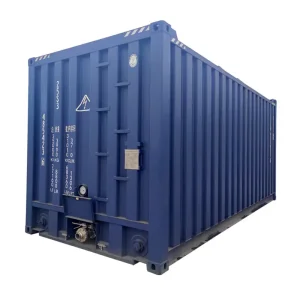
Global sea freight routes require equipment that withstands multi-tier stacking (up to 9-high laden stacks) under variable maritime swell. Factory metallurgy must deploy anti-corrosive Corten steel (SPA-H) to limit oxidative decay in saline conditions.
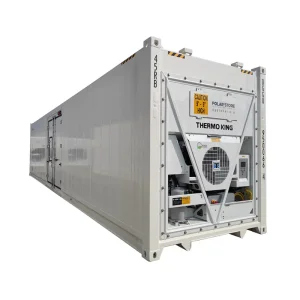
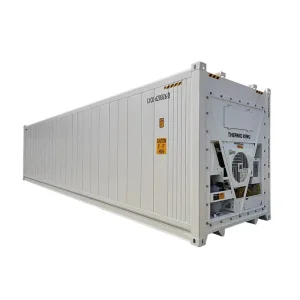
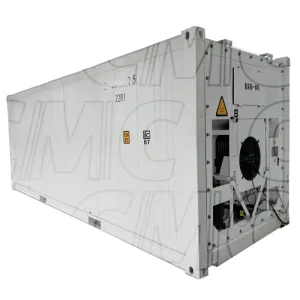
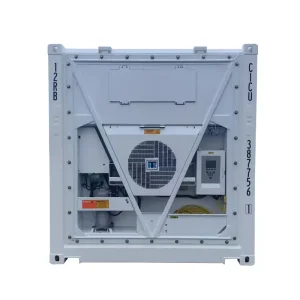
With high-value pharmaceuticals and perishables driving modern trade, active refrigeration utilizing Carrier, Daikin, and Thermo King machinery ensures digital micro-climate modulation across trans-oceanic transit times surpassing 45 days.
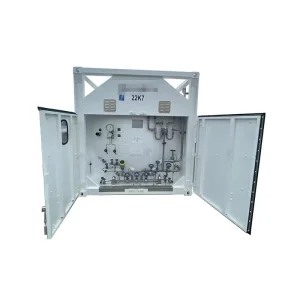
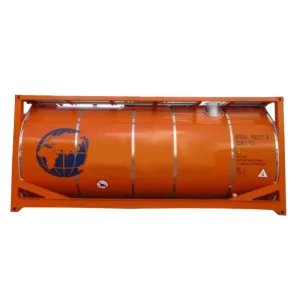
ISO tank containers (T-code series like T75 cryogenic units) replace drum-based shipping. They optimize chemical safety under IMDG and ASME guidelines, decreasing cross-contamination hazards and streamlining intermodal valve-controlled decanting.
Meeting regional border requirements guarantees non-disruptive cargo transition across Europe, the Americas, Africa, and Asia-Pacific ports.
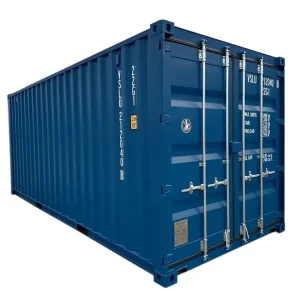
Every dry cargo and reefer container built in our Tianjin and Suzhou facilities carries a full International Convention for Safe Containers (CSC) safety approval plate. ISO 668, ISO 1496-1, and ISO 1161 structural frameworks certify structural readiness for intermodal cranes and vessel cell guides.
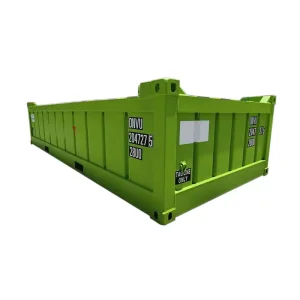
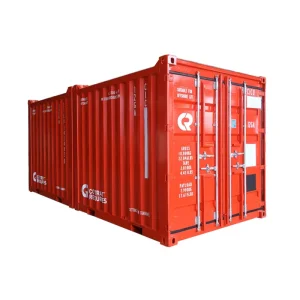
Offshore container series, including half-height ore carriers and offshore baskets, are designed specifically to resist dynamic snatch loads experienced during open-ocean crane lifts onto drilling rigs, backed by strict NDT weld inspections and material impact tests down to -20°C.
From FDA-compliant liners for liquid food-grade tankers to REACH-compliant internal sealants and solvent-free waterborne paints, our containers eliminate volatile emissions, preventing regulatory customs detentions in Europe and North America.
Container logistics must bridge divergent multi-modal environments without cargo repackaging. Below are standard industrial deployment paths.
Seamlessly shifted from container vessels onto rail flatcars for Eurasian and North American cross-continental networks. Reinforced floor crossmembers absorb dynamic road vibrations while dual-end opening options facilitate fast staging.
Reefer containers equipped with high-efficiency scroll compressors and controlled atmosphere (CA) systems modify oxygen and CO2 levels, delaying ripening and preserving agricultural shelf life on journeys across tropical sea routes.
Half-height heavy containers engineered for high-density payloads such as copper concentrates, bauxite, and heavy subsea components allow high payloads without exceeding center-of-gravity or tare-weight limitations.
The shipping container is advancing from a passive structural box into an active, cloud-connected, data-emitting asset that enhances fleet visibility and operational efficiency.
Integrated GPS, accelerometers, and thermal sensors transmit live container health, unlatching alerts, and vibration data via low-orbit satellite links, giving cargo owners granular real-time custody validation across sea transits.
By blending ultra-high-strength thin-gauge steel with structural composite floorings and vacuum-insulated panels (VIP), tare weights can drop by up to 15%, reducing fuel burn per deadweight cargo ton across modern containership fleets.
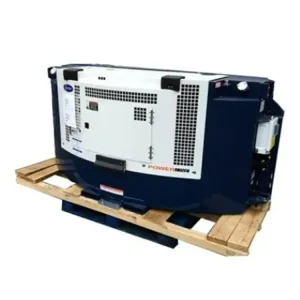
Roof-integrated, explosion-proof photovoltaic arrays coupled with DC inverter power packs decrease active reefer reliance on chassis-mounted diesel generator units during inland distribution, cutting cold-chain carbon output.
Review additional commercial container models manufactured by CIMIC, available in custom production batches or for prompt dispatch directly from our coastal stockyards.


Key technical and procurement details addressed directly by our senior intermodal engineering staff.
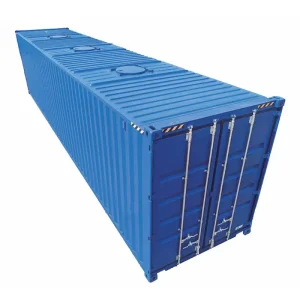
We supply standard ISO dimensions including 10ft, 20ft, 20ft High Cube, 40ft, and 40ft High Cube. Beyond standardized sizes, we manufacture project-specific footprints including 45ft/53ft intermodal units, half-height ore containers, side-opening configurations, roll-up units, and custom modular architectural bases.
Our reefer containers integrate Carrier Transicold (e.g., PrimeLINE), Daikin (e.g., ZePHIR, LXE10E), and Thermo King (e.g., Magnum PLUS) systems. Customers can specify machinery based on regional spare parts availability, corporate maintenance familiarity, and target cargo temperature parameters down to -60°C.
CIMIC operates under an audited ISO 9001 quality management framework. Units are surveyed, tested, and certified by Bureau Veritas (BV), ABS, or LR, meeting full CSC guidelines. Offshore units follow DNV GL (DNV 2.7-1 / EN 12079) certifications with complete material tractability.
Yes. Our engineering division works directly from buyer schematics or formulates clean-sheet designs. Custom parameters encompass structural steel grade, specialized door seals, internal tie-down ring capacities, hazardous floor basins, thermal insulation ratings, electrical pass-throughs, and custom fleet livery.
New builds originate from our dedicated manufacturing locations in Tianjin and Suzhou, strategically sited within 100 kilometers of deepwater ports (Tianjin Port and Shanghai Port). Used inventory is distributed across China's commercial coastal container depots, cutting transit times for international repositioning.
Standard ISO dry and refrigerated models have flexible order thresholds, starting from individual container units up to full liner carrier batches. Custom or specialized containers typically require batch coordination to optimize tooling and fabrication lines. Our engineering sales team assists with custom quote evaluation.
