Heavy-duty, ISO-certified reefers, soft-tops, cryogenic vessels, and modular haulage systems designed for high-stress freight fleets.



A macroeconomic analysis of containerized drayage, port congestion mitigation, chassis structural dynamics, and cross-border regulatory harmonization.
The contemporary shipping container truck industry occupies the critical intersection between deep-sea liner trade and inland industrial clusters. Modern port terminals face acute dwell-time constraints, placing high demands on container chassis, semi-trailers, and multi-axle heavy tractors. Achieving rapid turnaround requires high-tensile steel twist-lock mechanisms, automated landing legs, and tare-weight optimized container chassis that allow operators to maximize revenue payload within legal axle-weight boundaries.
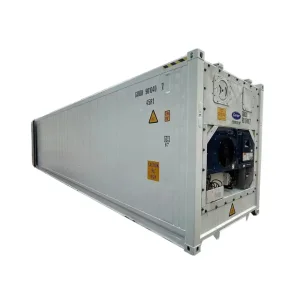
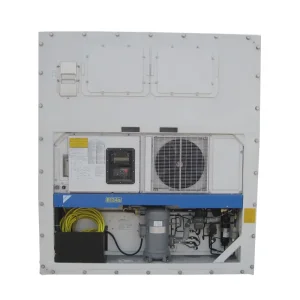
The transportation of biologics, deep-frozen seafood, and perishable produce demands specialized reefer truck-trailer architectures. Container trucks handling active units—such as Thermo King, Carrier, and Daikin—must integrate continuous generator sets (gensets), micro-climate sensors, and redundant telematics. A variation of even 1.5°C over transit distances exceeding 1,500 kilometers can compromise sensitive cargo, driving fleets toward advanced smart-reefer containers.
Intermodal haulers operate within fragmented regulatory frameworks across continents. From North America’s Bridge Formula (FMCSA) and European modular systems (EMS) to Oceania’s Performance-Based Standards (PBS), manufacturers must engineer semi-trailers and skeletal container carriers with variable pin configurations, sliding bogeys, and lift axles to prevent severe overloading penalties and infrastructural wear.
Engineered adaptations for harsh climates, specialized chemical supply chains, offshore maritime extraction, and remote mining sites.
Long-distance haulage across unimproved roads from coastal ports (e.g., Mombasa, Durban, Djibouti) to landlocked nations demands heavy-duty chassis chassis reinforcements. CIMIC’s container truck transport packages feature double-web mainframe I-beams, mechanical multi-leaf heavy suspension arrays, high-clearance landing gear, and anti-corrosive primer systems capable of resisting red-laterite road abrasions and high ambient temperatures.
European intermodal logistics strictly regulates noise, axle weights, and carbon output. For urban hub distribution and rail-head transshipment, lightweight high-tensile skeletal trailers accommodate 20ft, 40ft, and 45ft high-cube containers. Built with roll-up rear shutters and low-noise electro-hydraulic side loaders, these units enable safe, compact offloading in constrained industrial estates.
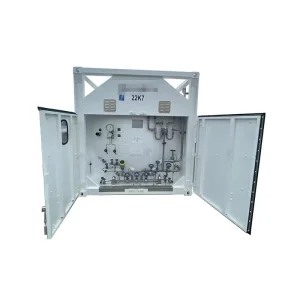
Navigating chemical ports and offshore transfer staging areas requires DNV 2.7-1 / EN 12079 and ASME-certified container tank systems. Hauling cryogenic liquid gasses, corrosive chemicals, and drilling fluids demands specialized low-center-of-gravity drop-neck trailers, explosion-proof electrical harnesses, and stainless steel catch basins to manage hazardous materials reliably.
The transition toward autonomous driving corridors, lightweight composite materials, hydrogen fuel-cell tractors, and AI-driven container tracking.
Transitioning primary frame structural steel to thermomechanically rolled high-yield micro-alloyed grades. Minimizing unladen chassis weight by up to 800 kg per 40ft combination allows fleets to haul more freight within strict gross vehicular weight limits.
Deploying smart container locks with remote GPS, seal-tamper sensors, thermal imaging, and electronic bill-of-lading (eBL) blockchain integration. Truck drivers and dispatchers receive real-time structural and environmental cargo status.
Implementing trailer-axle kinetic energy recovery systems (e-axles) that capture braking force to recharge high-capacity lithium iron phosphate (LiFePO4) battery packs, powering reefer units and auxiliary systems without drawing from the tractor fuel supply.
Engineering autonomous drayage chassis with V2X (Vehicle-to-Everything) communications, automated electronic coupling, brake-by-wire controls, and dynamic hitch positioning for automated container terminal operations.
Holistic procurement, engineering, and maintenance systems designed to minimize Total Cost of Ownership (TCO) for global supply chain leaders.
Situated within 100 kilometers of the deepwater maritime ports of Tianjin and Suzhou, CIMIC accelerates export dispatch. By eliminating long overland transport to outbound docks, our facilities reduce logistics transit costs, support bulk vessel container stowage, and shorten container factory-to-ship lead times for international fleet operators.
We provide full-spectrum engineering support from initial blueprinting and FEA structural stress modeling to physical proof-load certification. Whether designing side-door configurations for urban operations, insulated blast freezers, or hazardous chemical ISO tanks, our direct manufacturing access streamlines custom engineering while maintaining ISO 9001 and Bureau Veritas standards.
Sustaining intermodal freight assets requires responsive spare parts availability. CIMIC aligns reefer container cooling units with globally established service networks, including Carrier, Daikin, and Thermo King. This standardization ensures fleet operators can readily access parts, certified technicians, and repair warranties across major global freight hubs.
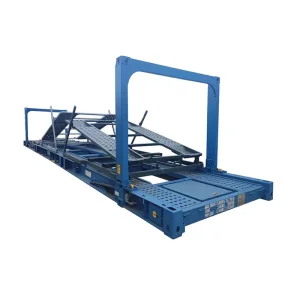
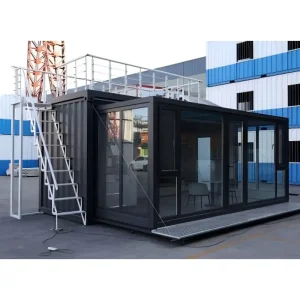
Offshore logistics baskets, flatbed platform chassis, automotive transport racks, and expandable modular shelters for field deployment.



Detailed technical, compliance, and logistical guidance curated by our senior export engineers.
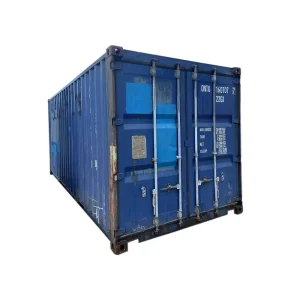
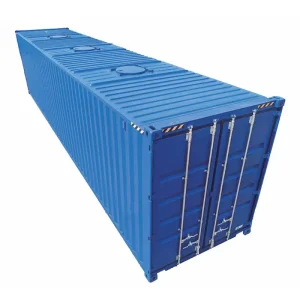
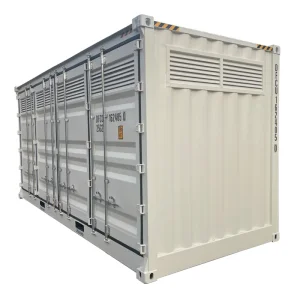
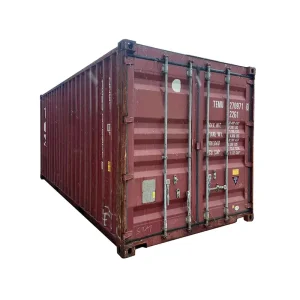
We supply standardized ISO dry and refrigerated freight units across 10ft, 20ft, 20ft High Cube, 40ft, and 40ft High Cube profiles. Our road haulage semi-trailers and skeletal container truck chassis accommodate single 40ft, dual 20ft, or single 20ft center-loaded containers. Specialty configurations—including open-top, flat-rack platform frames, hazardous chemical side-door containers, and DNV-certified offshore baskets—are engineered to specific customer axle-load requirements.
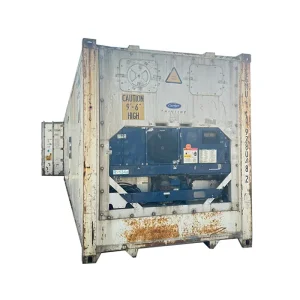
Our reefer range integrates tier-one marine refrigeration units, including Thermo King, Daikin, and Carrier Transicold. This ensures stable temperature regulation across chilled and frozen cargo ranges (-35°C to +30°C) and allows international logistics operators to utilize established local technician networks, diagnostic tools, and OEM spare parts availability in global port cities.
All shipping container equipment conforms to ISO quality standards (ISO 9001, ISO 1496-1 for freight containers). Units feature third-party Bureau Veritas (BV) or classification society seaworthiness certification. Offshore shipping and transport units are manufactured and tested in compliance with DNV 2.7-1 / EN 12079 dynamic lifting and material toughness criteria.
Yes. Beyond standard production, our in-house engineering department supports customized dimensioning, specialized door and side-access layouts, thermal insulation upgrades (such as high-density thickened polyurethane foam), integrated fuel tanks for gensets, reinforced floor materials, and custom corporate livery. CAD drawings and structural calculations are reviewed with clients prior to factory tooling.
New builds are produced at our specialized manufacturing facilities in Tianjin and Suzhou, situated approximately 100 kilometers from two of China's largest container shipping terminals. This proximity minimizes inland freight legs. Certified pre-owned used containers are also stored across several domestic coastal port depots for expedited dispatch.
MOQ varies by customization level: standard dry storage and cargo units can be ordered in low unit volumes (including 1–2 TEU sample validation batches), whereas tailored OEM container semi-trailers, custom side-access units, or dedicated tank containers typically follow production run lots. Typical manufacturing turnarounds range from 15 to 30 calendar days following technical sign-off.
