Featured intermodal platform units, heavy-duty offshore baskets, vehicle carriers, and temperature-controlled logistics modules ready for global offshore energy deployment.
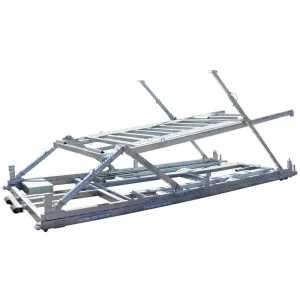
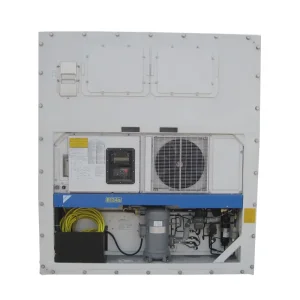

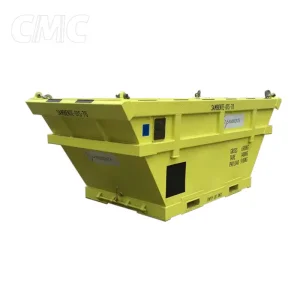
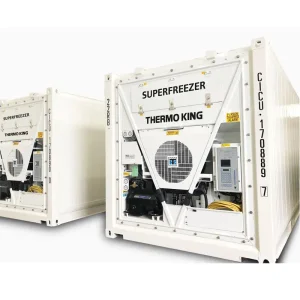

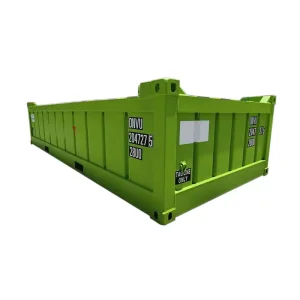
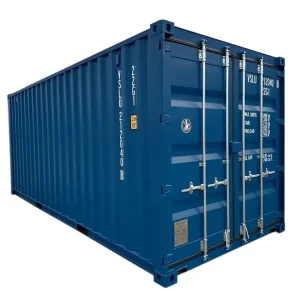
A rigorous review of structural dynamics, materials science, pressure vessel thermodynamics, and dynamic lifting criteria governing offshore chemical logistics in marine environments.
Unlike standard ISO containers designed strictly for static container ship cell guides and gantry cranes, offshore tank containers undergo dynamic loading during sea-to-platform transfers. Certified under DNV 2.7-1 and ISO 10855, our structural frames withstand 3-axis dynamic accelerations, 2.5G vertical snatch forces, and low-temperature Charpy V-notch impact toughness requirements down to -40°C.
Offshore chemical injection processes require containment vessels fabricated from superior metallurgical grades. We engineer pressure shells utilizing 316L austenitic stainless steel, 2205 duplex, 2507 super duplex, and titanium alloys. For severe service fluids such as hydrofluoric acid (HF) and concentrated hydrochloric blends, internal fluoropolymer linings including PFA, PTFE, and vulcanized rubber are precision applied.
Offshore liquid surges pose extreme capsizing and hull-fatigue risks during dynamic crane hoists. Our cylindrical and beam-type pressure vessels feature computer-simulated transverse surge baffles engineered to reduce dynamic fluid sloshing forces by over 85%, ensuring stable horizontal center-of-gravity during critical supply vessel offloading in sea states 4 to 6.
Standard ISO tanks are certified exclusively for intermodal freight transportation where lifting occurs by vertical corner castings. When operated on offshore supply vessels (OSVs) and semi-submersible rigs, tanks must hold unified type-approval under DNVGL-ST-E271, featuring integrated padeyes welded directly to the primary structural frame, rated four-point wire rope slings, master links, and certified shackles capable of enduring sudden snatch lifts from churning waves.
How our port-adjacent manufacturing infrastructure delivers high-integrity pressure containment equipment with structural precision, competitive cost economics, and rapid dispatch timelines.
Direct tier-1 strategic procurement partnerships with leading mills (Baosteel, TISCO) guarantee immediate access to certified mill-test heat numbers, fully traceable low-carbon cryogenic steel plates, and defect-free alloy stocks.
Automated Submerged Arc Welding (SAW), robotic longitudinal and circumferential seam manipulators, coupled with computerized plasma cutting machines, maintain weld porosity below class-acceptance thresholds.
Every single offshore pressure vessel is subjected to rigorous Radiographic Testing (RT), Ultrasonic Testing (UT), Magnetic Particle Inspection (MPI), Liquid Penetrant Testing (PT), and hydrostatic pressure witness tests at 1.5x design pressure.
Strategically situated within 100 km of deepwater marine terminals in Tianjin and Suzhou, our manufacturing bases bypass inland trucking bottlenecks, drastically cutting ocean-bound freight and export turnaround.
Navigating strict regional maritime mandates, dual-certificate approvals, and risk mitigation strategies required by tier-1 offshore operators and oilfield service majors.
| Regulatory Standard | Governing Authority | Key Engineering Mandate | Critical Target Operational Regions |
|---|---|---|---|
| DNV 2.7-1 / EN 12079 | DNV / Bureau Veritas / Lloyd's | Dynamic drop test at -20°C/-40°C, 4-point certified sling assembly, padeye NDT | North Sea, UK Continental Shelf, Worldwide Offshore Platforms |
| ISO 10855 Parts 1-3 | International Standardization | Harmonized offshore container design, manufacture, inspection & periodic testing | Global Marine & Transcontinental Deepwater Basins |
| ASME VIII Div 1 & IMDG T-Code | ASME / IMO | Pressure boundary wall thickness, relief valve discharge rate, UN hazardous material rating | Gulf of Mexico, Asia-Pacific, Middle East, West Africa |
| NORSOK Standards | Standard Norge | stringent architectural coating systems (System 1/7), passive fire safety, ATEX Ex-proof | Norwegian Continental Shelf, Extreme Arctic Drilling |
| BSEE / USCG Title 46 CFR | US Coast Guard / BSEE | Marine environmental protection, hazardous material carriage authorization | United States Outer Continental Shelf (GoM) |
Purchasing capital offshore equipment requires guaranteed traceability over a 20+ year asset lifecycle. CIMIC provides comprehensive Manufacturing Data Reports (MDR), including 3.1 material certificates to EN 10204, certified weld maps, NDT logs, as-built vessel drawings, and third-party inspection sign-offs from DNV, BV, or ABS. Furthermore, our authorized service partner network guarantees worldwide re-certification (annual visual inspections and 2.5/5-year periodic hydrostatic renewals) across global hub ports including Rotterdam, Houston, Singapore, and Macaé.
Where specialized offshore tank containers solve acute hazardous liquid containment, pressure transport, and subsea process challenges under adverse weather conditions.
Continuous injection of methanol, monoethylene glycol (MEG), and specialized scale/wax inhibitors is essential to prevent subsea hydrate blockages in high-pressure deepwater pipelines. Our DNV 2.7-1 chemical tank containers provide safe, closed-loop fluid coupling with zero fugitive emissions on production platform decks.
Offshore exploration rigs and floating production storage and offloading units (FPSOs) rely on certified Jet A-1 helicopter refueling systems. Our bespoke aviation tank containers feature 316L inner vessels, micro-filtration water separators, floating suction lines, dry-break couplings, and internal anti-surge baffles to preserve fuel purity.
During matrix acidizing and hydraulic well stimulation, tankers must transport aggressive corrosive mixtures including 15%-28% hydrochloric (HCl) and hydrofluoric acid. Our lined offshore tanks incorporate thick multi-layer PFA/vinyl ester barriers and emergency venting devices designed to resist extreme chemical reactivity.
Environmental compliance mandates zero-discharge policies for drilling operations. Specialized offshore vacuum mud and slop tanks safely capture oily drilling residues, contaminated cuttings, and hazardous wash waters, transferring them securely from platform to onshore specialized processing facilities.
Supplying liquefied natural gas (LNG), liquid nitrogen for offshore pipeline purging, or industrial refrigerants to offshore installations demands vacuum-jacketed cryogenic T75 containers. Our vacuum multilayer insulated designs maintain boil-off rates below 0.15% per day even under equatorial maritime solar radiation.
During the late-life removal and plugging of depleted offshore wells, contaminated mercury-bearing fluids, heavy metals, and NORM (Naturally Occurring Radioactive Material) wastes require ultra-secure, double-envelope containment tanks certified to prevent any accidental marine discharge.
Advancements in digital telematics, decarbonization mandates, and novel composite metallurgy defining the next generation of smart offshore equipment.
Modern offshore fleets are moving away from manual mechanical level gauges. We integrate solar-assisted, explosion-proof Zone 1 IoT telemetry modules providing continuous satellite monitoring of internal tank pressure, liquid level, vapor temperature, and structural g-force shock telemetry, accessible via secure cloud dashboards.
With Carbon Capture, Utilization, and Storage (CCUS) expanding in abandoned North Sea and Gulf of Mexico reservoirs, demand is accelerating for specialized offshore tank containers engineered to hold liquid CO2 at -50°C and 15-20 bar operating pressures, requiring advanced structural nickel steels and thermal relief barriers.
Mitigating Corrosion Under Insulation (CUI) and splash-zone atmospheric rust requires continuous coating innovation. Modern specifications call for solventless epoxy phenolics, thermal-sprayed aluminum (TSA), and fluoropolymer topcoats tested to ISO 12944-6 C5-M extreme marine weathering criteria with over 15 years durability.
Authoritative technical and procurement answers addressing structural testing, certifications, operational safety, and custom manufacturing criteria.
Standard ISO tanks (ISO 1496-3) are built solely for horizontal and vertical stacking loads within regulated commercial freight networks, using twistlocks at standard gantry cranes. A DNV 2.7-1 / ISO 10855 offshore tank is designed for severe offshore environments, featuring heavy-duty structural steel crash frames, integrated lifting padeyes rated for dynamic offshore snatch forces, certified 4-leg wire rope slings with master links, and steel materials charpy-tested for low-temperature ductile toughness.
Every unit comes with an exhaustive Manufacturing Data Report (MDR). This includes the class design approval certificate (from DNV, BV, or ABS), 3.1 material certificates to EN 10204, certified Welding Procedure Specifications (WPS) and Welder Performance Qualifications (WPQ), complete Radiographic and Ultrasonic NDT reports, hydrostatic pressure test certificates, sling proof load testing records, and painting inspection logs.
Yes. Our ODM capabilities support a full spectrum of specialized corrosion-resistant linings. For harsh acids (HCl, HF), caustic soda, or aggressive completion chemicals, we supply internal linings in PFA, FEP, ECTFE, chemically bonded rubber (natural and synthetic), or glass-flake epoxy. Vessels can also be forged entirely from exotic nickel-based alloys, 2205 Duplex, or 2507 Super Duplex stainless steel.
Per DNV 2.7-1 specifications, a prototype container loaded to its maximum gross mass (R) undergoes both a vertical impact drop test and an inclined drop test. For the vertical test, the unit is suspended and released onto a rigid flat surface from a defined height (typically 50mm to 200mm, or calculated impact velocity). Post-impact, the frame and pressure vessel undergo 100% NDT inspection to verify that no weld cracking or permanent structural deformation occurred.
We manufacture UN Portable Offshore Tanks across the full spectrum: T11 (standard liquids up to 4 bar test pressure), T14 (toxic and highly corrosive chemicals with top discharge and 6 bar test pressure), T50 (high-pressure liquefiable gases like propane, butane, refrigerants up to 22-30 bar), and T75 (cryogenic liquids down to -196°C like LNG, LIN, LOX with high-vacuum multi-layer insulation).
Standard design models from our approved catalog typically ship in 4 to 6 weeks. Bespoke ODM builds requiring custom volume geometries, heating systems (steam or electrical trace heating), specialized linings, or unusual footprints take approximately 8 to 12 weeks from finalized technical drawing sign-off to vessel departure at Tianjin or Shanghai seaports.
Complementary offshore tank modules, energy-efficient reefers, modular shelters, and hazardous material storage units designed to class society standards.
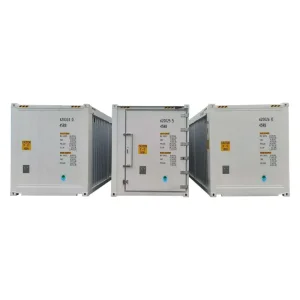

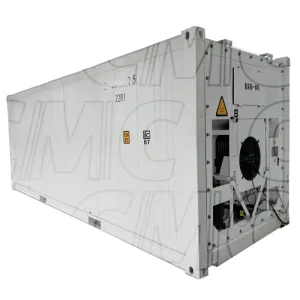


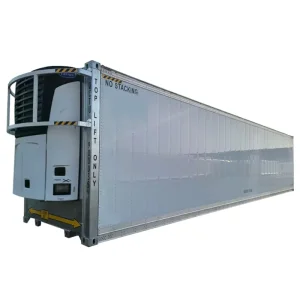
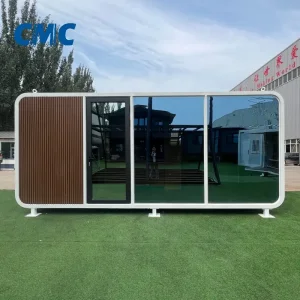
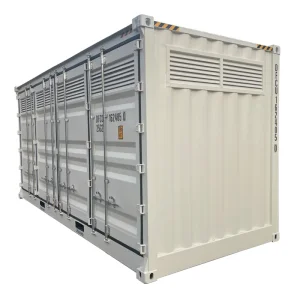
Whether you need standardized 10ft DNV 2.7-1 chemical injection tanks, specialized aviation fuel modules, or full custom high-pressure ISO containers, our sales engineering division prepares complete GA drawings, calculation packages, and formal landed price proposals within 24 hours.
