Explore our specialized ISO-certified intermodal containers, platform frames, offshore units, and thermal cold-chain solutions directly manufactured and calibrated inside our precision facilities.
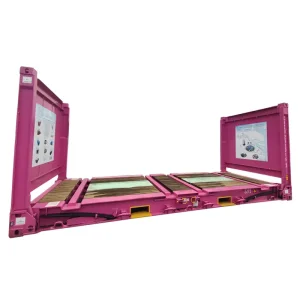
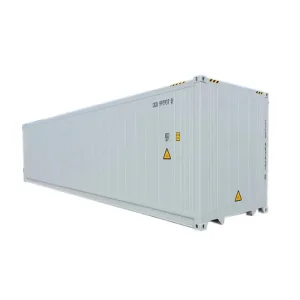
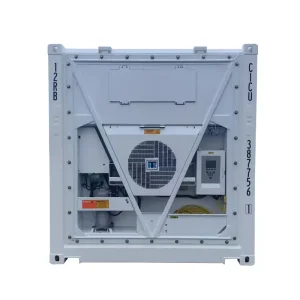
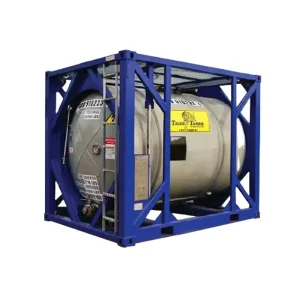
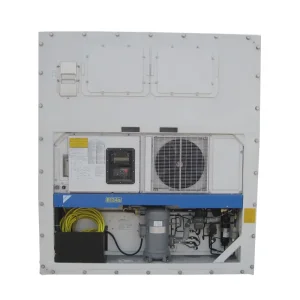
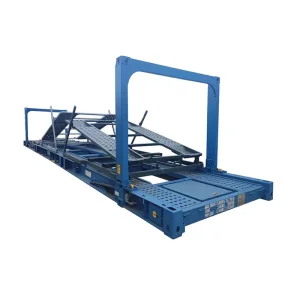
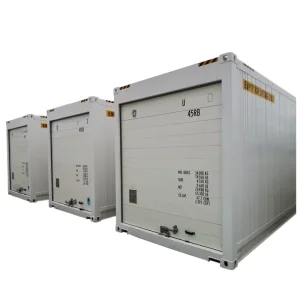
Tianjin Cimic Imp&Exp Co., Ltd. integrates vertical steel stamping, robotic welding, certified thermal foaming, and pre-commissioned HVAC systems inside shipping containers for seamless intermodal deployment.
The transformation from rudimentary steel boxes to highly engineered, thermodynamic, and digitally monitored modular shells demands rigorous interior architectural optimization.
Modern inside shipping container construction centers on thermodynamic conservation. By utilizing high-pressure cyclopentane-blown polyurethane foam alongside vacuum-insulated aerogel panels (VIP), our structural engineers achieve thermal conductivities as low as λ = 0.019 W/m·K. This drastically cuts active compressor run-time, eliminates cold-bridging across corrugated side walls, and protects delicate chilled biological assets over 45-day ocean passages.
The interior ecosystem of our reefers and specialized dry containers is equipped with embedded multi-sensor arrays. Beyond mere GPS tracking, our systems read interior ethylene gas parts-per-million, relative humidity, oxygen/carbon dioxide equilibrium, and microscopic floor deflection during intermodal transfers.
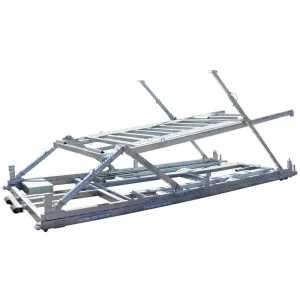
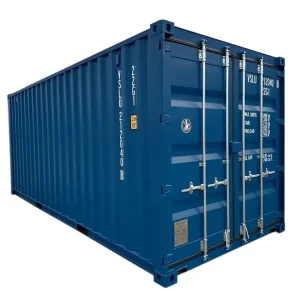
To maximize interior cubic utility inside standard 20ft, 40ft, and 40ft High Cube containers, CIMIC engineers high-tensile modular unistrut framing, hydraulic internal vehicle transport racks, and certified ISO tie-down tracks. This transforms flat open cubic areas into double-deck automotive stowage or shock-isolated electronics server frames.
As global energy transformation quickens, the interior space of shipping containers has transitioned from inert storage to active energy envelopes. CIMIC is actively developing inside shipping container thermal run-away containment systems for utility-scale Battery Energy Storage Systems (BESS), including liquid-cooled chillers, gaseous fire suppression plumbing, and blast relief ceiling panels capable of withstanding explosive deflagration according to NFPA 68/69 standards.
Every industrial vertical presents unique operational challenges inside the container shell. Our OEM/ODM customization capabilities address structural dynamics, corrosion resistance, and thermal precision.
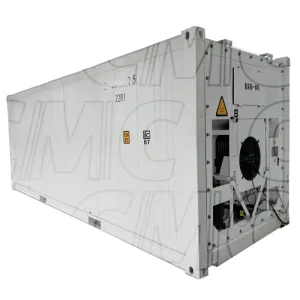
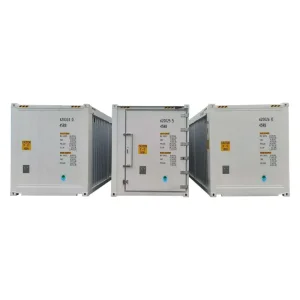
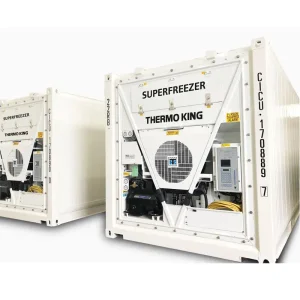
For fresh produce exporters, biological APIs, and deep-frozen seafood (-60°C ultra-low freezer requirements), internal air temperature variances must not exceed ±0.25°C. CIMIC pairs advanced refrigeration machinery (Daikin, Carrier, Thermo King) with aerodynamically calibrated interior air ducts and food-safe wall cladding compliant with FDA and USDA standards.
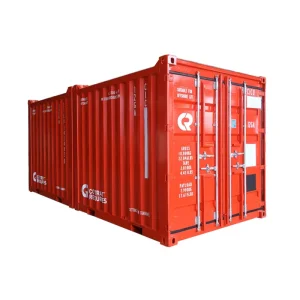
In the North Sea or offshore West Africa, equipment inside containers is subject to aggressive saline atmospheres and brutal mechanical pounding. Our DNV 2.7-1 / EN 12079 certified offshore cargo units and offshore reefers incorporate zinc-silicate primers, specialized internal drip pans, spark-proof electrical fixtures, and pad-eyes forged to withstand harsh sea-state accelerations.
Transporting fully assembled luxury sedans, electric commercial vehicles, or heavy mining parts inside containers requires millimeter-accurate mechanical geometry. Our engineered automotive racking solutions inside 20ft and 40ft High Cube containers eliminate the need for expensive Ro-Ro shipping while preventing chassis impact under rail shunting forces.
Why the world’s leading container leasing corporations, mining conglomerates, and freight forwarders anchor their procurement inside our industrial corridors.
| Manufacturing Dimension | CIMIC Industry 4.0 Standard | Conventional Container Fabricator | Procurement Advantage |
|---|---|---|---|
| Steel Metallurgy & Corten Processing | Certified SPA-H atmospheric corrosion-resistant steel with automated laser seam tracking | Commercial carbon steel with manual manual arc welding | +15 Years Extended Lifespan |
| Internal Thermal Foaming | Computerized continuous polyurethane high-pressure injection with CNC multi-axis mixing heads | Batch manual pour-in foam leading to density voids and heat leaks | 99.4% Thermal Uniformity |
| Surface Pre-Treatment & Paint | Automated SA 2.5 shot-blasting with low-VOC waterborne zinc-rich epoxy multi-coat paint systems | Manual hand-grinding and solvent primer spraying | C5-M Marine Extreme Proof |
| Factory Location & Logistics | Tianjin FTA Pilot Zone & Suzhou bases <100 km to international container terminals | Inland factories requiring 800+ km costly intermodal repositioning | Zero Port Transit Delays |
| Pre-Shipment Function Testing | 100% full-load electrical safety, PTI (Pre-Trip Inspection) thermal run, and rain-tight water deluge testing | Random 5% sample visual check without refrigeration run | Plug-and-Play Reliability |
By centralizing the entire supply chain inside our dual manufacturing campuses in Tianjin and Suzhou, CIMIC achieves raw material turnaround rates 40% faster than decentralized competitors. We maintain deep strategic stockpiles of Corten-A/SPA-H coil, aluminum alloy extrusion profiles, insulation chemical precursors, and Carrier/Daikin/Thermo King cooling cores, insulating enterprise buyers against unpredictable global supply disruptions.
Every container engineered by CIMIC meets or surpasses the rigorous benchmarks mandated by international classification societies and intermodal transport conventions.
Our baseline production lines maintain active surveying by Bureau Veritas (BV) and ISO 9001 quality management registries. Container designs undergo prototype testing including racking, stacking up to 192,000 kg, floor load testing with 5,460 kg axle loads according to ISO 1496-1, and CSC (Convention for Safe Containers) safety plate issuance.
Offshore containers, subsea workshops, and drill cutting boxes comply comprehensively with DNVGL-ST-E271 (DNV 2.7-1) and EN 12079. We provide full Mill Test Certificates (MTC) with 3.1 steel traceability, Charpy V-notch impact testing at -20°C or -40°C, Non-Destructive Examination (NDE/MPI) on primary lifting pad-eyes, and certified lifting slings.
Cross-border overland transit demands customs security and perishable verification. Our containers hold International Railway Union (UIC) markings, TIR customs seal approvals for seamless border crossings without intermediate cargo unsealing, and ATP certification (Accord Transport Périssable) verifying coefficient of heat loss (K-value ≤ 0.40 W/m²·K).
Corporate procurement directors in Europe, North America, the Middle East, and Latin America demand transparent technical integration, predictable lead times, and Total Cost of Ownership (TCO) optimization.
Procuring low-grade containers frequently leads to severe door hinge sagging, moisture ingress, thermal boundary degradation, and high compressor fuel consumption. CIMIC’s OEM builds utilize heavy-duty EPDM weather seals, zinc-nickel coated door hardware, and high-efficiency variable-speed scroll compressors that reduce lifetime lifecycle operational costs by up to 28%.
We bridge the communication gap between overseas design consultancies and factory floor welders. Our in-house engineering group generates full 3D SolidWorks models, structural Finite Element Analysis (FEA) reports, and BIM-compatible integration drawings within 72 hours of project requirement definition.
Whether your contract requires a single prototype high-tech mobile laboratory container, 5 units of offshore DNV chemical tanks, or a commercial fleet of 500 standard 40ft High Cube reefers, CIMIC accommodates scheduled call-offs, buffer yard inventory at China deepwater ports, and staged multi-destination container drop-shipping.
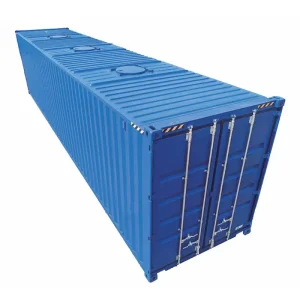
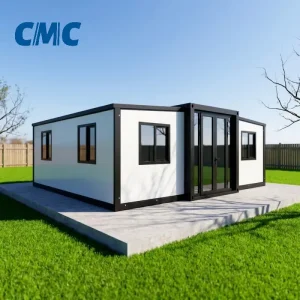
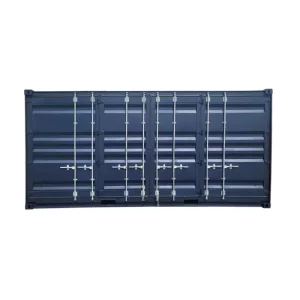
Review our high-performance bulk shipping units, expandable architectural modular houses, double-door dry cargo boxes, and inverter-driven solar refrigerated solutions.
Clear, authoritative technical answers from our chief engineers to resolve common design, compliance, and logistics inquiries.
