Immediate dispatch units rated Wind & Watertight (WWT) and Cargo Worthy (CW) with complete Class survey certifications ready for intermodal rail connections.
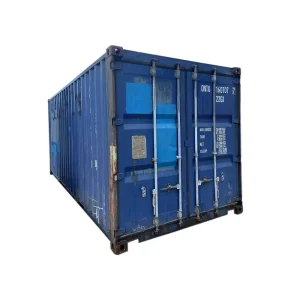
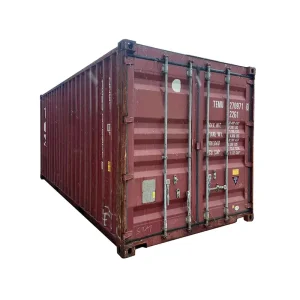
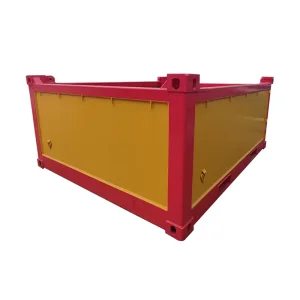
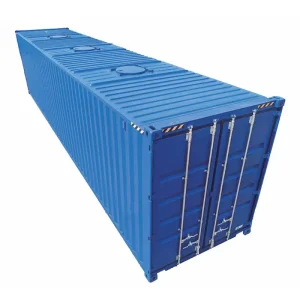
Chicago represents the undisputed logistical heart of North American freight traffic, converging six Class I railroads with critical Great Lakes marine corridors.
With massive container flows traversing BNSF, Union Pacific, Norfolk Southern, and CSX networks through Elwood, CenterPoint, and Bedford Park, Chicago operates as an inland maritime exchange. Inbound ocean dry units offloaded from West Coast ports require rapid inspection, refurbishment, or repositioning to avoid severe dwell fees.
The Cook County and Upper Midwest thermal profiles expose metal structures to extreme freeze-thaw cycles, lake-effect humidity, and road salts. Sourcing standardized Corten-A steel containers with authentic high-tensile corrugated panels prevents sidewall buckling and structural corrosion failures during prolonged outdoor storage.
Beyond rail movements, Midwest grain exporters, bulk material handling plants in Gary, and urban infrastructure projects across Cook and DuPage counties depend heavily on modified 20ft and 40ft dry boxes for secure, pest-free, waterproof field containment and secure modular equipment storage.
Evaluated across Cargo Worthy (CW), Wind & Watertight (WWT), and As-Is operational conditions based on current regional intermodal depot data.
| Equipment Type | Dimensions (L × W × H) | Tare Weight | Payload Capacity | Depot Condition | Chicago Est. Range (USD) |
|---|---|---|---|---|---|
| 20ft Standard Dry (Used) | 20'0" × 8'0" × 8'6" (6.06 × 2.44 × 2.59 m) | 2,200 kg (4,850 lbs) | 28,280 kg (62,350 lbs) | WWT / CW | $1,450 – $1,950 |
| 40ft Standard Dry (Used) | 40'0" × 8'0" × 8'6" (12.19 × 2.44 × 2.59 m) | 3,750 kg (8,267 lbs) | 26,730 kg (58,929 lbs) | Cargo Worthy | $1,850 – $2,450 |
| 40ft High Cube Dry (Used) | 40'0" × 8'0" × 9'6" (12.19 × 2.44 × 2.89 m) | 3,900 kg (8,598 lbs) | 26,580 kg (58,600 lbs) | Class Surveyed | $2,100 – $2,850 |
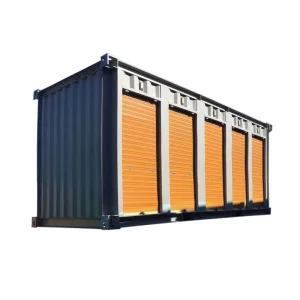
| 20ft Side Open / Roll-Up Door | 20'0" × 8'0" × 8'6" (ODM Retrofit) | 2,650 kg (5,842 lbs) | 27,830 kg (61,350 lbs) | Factory Modified | $3,100 – $4,200 |
| 10ft – 12ft Mini Nested Set | Nested Multiple Modular Formats | 1,200 – 1,600 kg | Up to 10,000 kg | New / ODM Build | Contact for Set Pricing |
Bridging China's premier industrial manufacturing belt with Chicago's inland port logistics through end-to-end quality control and structural metallurgy.
Situated approximately 100 kilometers from Tianjin Xingang and major Shanghai-adjacent maritime terminals in Suzhou, our production lines load directly to deep-water berths, eliminating secondary domestic drayage costs and guaranteeing rapid turnaround on customized ODM runs.
Every used container undergoes a certified 7-point structural audit: floor load bearing tolerances, corner casting integrity (ISO 1161), door gasket airtightness, weld bead ultrasound checks, cross-member deflection, and surface anti-corrosion recoat adherence.
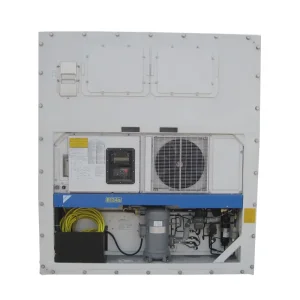
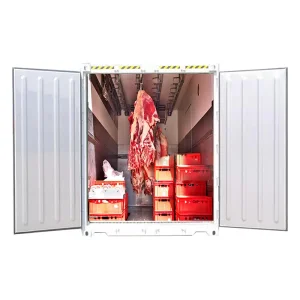
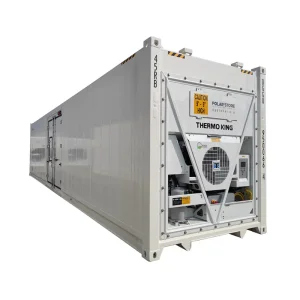
In addition to standard dry box exports, our engineering desks handle advanced client-specified build sheets: roller doors, specialized meat racks, side access folding doors, explosion-proof ventilation, heavy mining floor grates, and complete ISO electrical retrofits.
Anticipating regulatory and technological shifts across North American intermodal transport from 2025 through 2030.
Next-generation dry fleets destined for transcontinental rail are adopting ultra-low-power satellite/cellular trackers with interior micro-climate sensors, reporting humidity shifts, unlatched doors, and hard dynamic impacts in real-time to fleet managers across Chicago depots.
In accordance with updated EPA and Chicago air quality standards, our modern factory lines and major refurbishing processes utilize waterborne, low-VOC zinc-rich epoxy primers, dramatically reducing lifecycle environmental footprints without compromising salt-spray resistance.
Deploying AI computer-vision scanning rigs at major depot choke points enables rapid, sub-millimeter dent detection, floor bowing calculation, and automated CSC certification renewals, significantly reducing dwell times at intermodal rail ramps.
Engineered for harsh environments, specialized supply chains, and demanding industrial conversion frameworks.
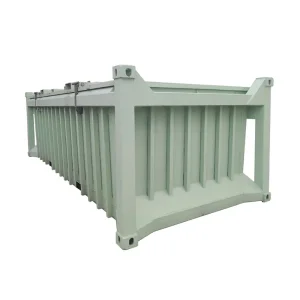
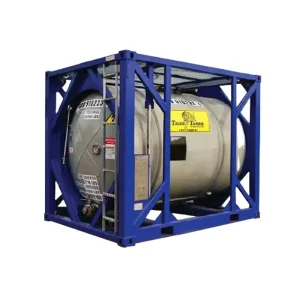
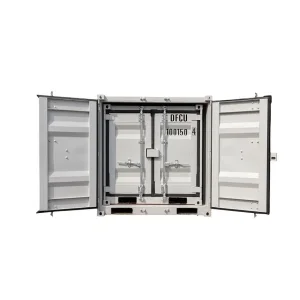
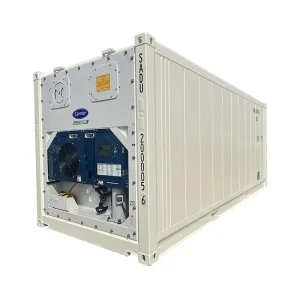
Direct answers to intermodal standards, CSC certifications, drayage logistics, and custom manufacturing orders.
Cargo Worthy units carry certified structural integrity capable of passing IICL or Class surveys for international ocean and domestic Class I rail transit under full gross load. WWT containers are strictly sealed against weather and moisture, making them ideal for static industrial yard storage across Illinois but unsuitable for loaded intermodal stacking unless re-surveyed.
The combination of road salt from Chicago highways and freeze-thaw cycles attacks mild steel rapidly. All CIMIC-inspected used containers utilize authentic high-tensile SPA-H Corten steel, which develops a protective passive oxide patina that seals out corrosion. We also inspect and recoat sub-floor cross-members with bitumen undercoatings to prevent chassis rot.
Yes. In our coastal factory facilities in Tianjin and Suzhou, we can perform precision CAD modifications—including rolling shutters, side-opening personnel doors, louvers, and lockboxes—prior to container loading. This delivers massive cost advantages compared to performing field retrofits with Chicago contractor labor rates.
Ocean transit from Tianjin or Shanghai to West Coast hubs (LA/Long Beach or Tacoma) followed by Class I landbridge intermodal rail to Chicago rail ramps typically requires 24 to 32 days total transit time. Stock units already located in regional North American staging depots can be drayed to regional facilities within 48 to 72 hours.
