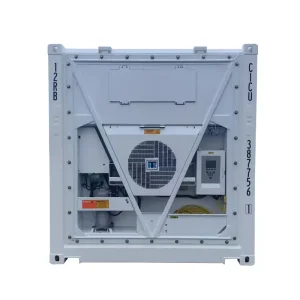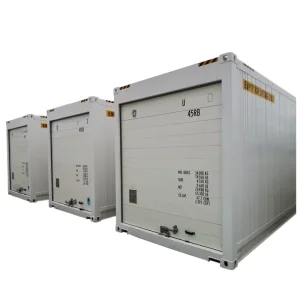
Explore our top certified refrigerated configurations, roll-up mechanisms, and heavy-payload container systems ready for deployment worldwide.

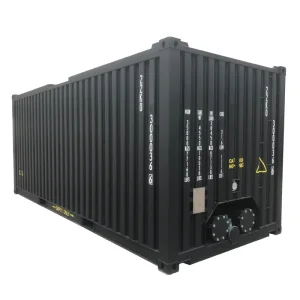
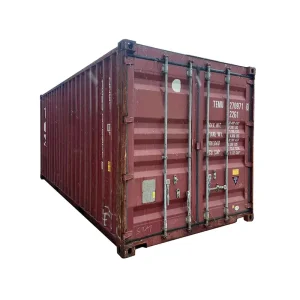
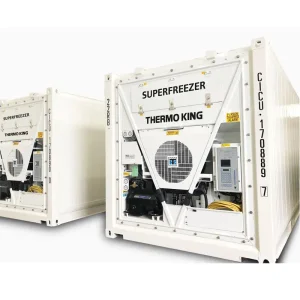
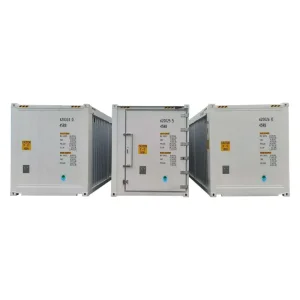
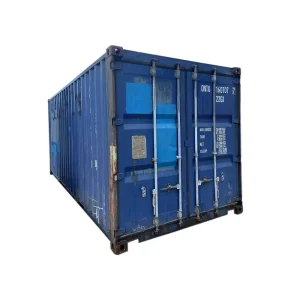
The international cold-chain infrastructure is shifting rapidly from static ocean-voyage boxes to ultra-responsive intermodal distribution units. Traditional swing doors create dock clear-space inefficiencies and thermal leakage during multi-stop routes.
By replacing heavy dual swing-doors with automated or spring-balanced thermal roller curtains, distribution hubs reduce open-aperture intervals by more than two thirds. This directly mitigates refrigeration compressor cycling, extends Genset lifespan, and preserves perishable shelf-life.
Integrating overhead roll-up doors into an active refrigerated ISO container requires addressing thermal bridging, torsional rigidity, and airtightness under severe maritime and road stresses.
Multi-layer extruded panels injected with high-density cyclopentane-blown polyurethane foam (45 kg/m³). Each horizontal slat incorporates a synthetic thermal break preventing external heat transfer to internal cold zones.
Quadruple-lip ethylene propylene diene monomer (EPDM) perimeter gaskets combined with heated side-track guide channels. Eliminates frost build-up, icing jams, and vacuum leaks even at operating conditions down to -30°C.
Re-engineered rear end-frames forged with Corten-A anti-corrosion structural steel. Compensates for the removal of structural door leaves, providing ISO 1496-1 full 9-high stacking compliance and heavy racking resistance.
From metropolitan micro-fulfillment hubs to remote industrial mining extraction camps, roll-up reefer units eliminate physical swing clearances and accelerate cargo turnaround.
Metropolitan parcel cross-docks operate in ultra-constrained spatial footprints. Roll-up doors enable delivery vans and forklifts to back up flush against inner seals without requiring a 2.5-meter door clearance perimeter.
Combined with Daikin or Carrier dual-stage refrigeration compressors, roll-up containers function as modular cold rooms outside medical clinics, maintaining vaccines and biologics within strict +2°C to +8°C parameters.
DNV-compliant lifting frames integrated with motorized insulated shutters allow fast provision handling in rough sea states and harsh winds, avoiding uncontrolled wind-blown door hazards typical of swing designs.
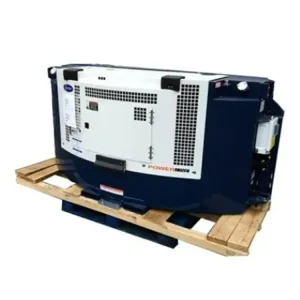
Facilitates rapid partial unloads at intermediate transit stations. Coupled with our dedicated diesel generator clip-on units, the container functions entirely independently off-grid during extended transcontinental rail hauls.
Tracking the convergence of telemetry, automated access controls, and low-GWP refrigerants in modern specialized container builds.
RFID and geofencing trigger roll-up mechanisms automatically as automated guided vehicles (AGVs) approach, minimizing open air exposure down to the exact second of pallet transit.
Adoption of natural CO₂ (R-744) units across all Thermo King and Carrier builds, meeting strict European F-gas regulations while guaranteeing sub -35°C deep freeze reliability.
Transitioning from pure PU foam to hybrid micro-porous aerogel panel inserts, decreasing wall thickness by 30% while retaining ISO thermal transmission coefficients below 0.38 W/(m²·K).
Real-time vibration, coil pressure, and curtain cycle stress tracking connected via satellite uplink, warning fleet technicians before gasket failures or compressor trips occur.
Essential engineering and procurement considerations regarding certification, door thermal seals, maintenance, and custom manufacturing parameters.
While standard dual swing doors offer continuous polyurethane thickness, modern thermal roll-up doors use 40-50mm insulated aluminum or composite slats with integrated EPDM seals. The reduction in cycle time during active multi-drop handling prevents ambient air ingress far more effectively than swing doors left open during forklift maneuvers.
Yes. Custom roll-up reefer units built by CIMIC undergo finite element stress analysis, end-frame shear testing, and transverse racking evaluations to obtain Bureau Veritas (BV) or ISO maritime certification, guaranteeing structural integrity for vertical container stacking on containerships.
Our heavy-duty industrial configurations integrate built-in low-wattage resistance heating cables embedded directly within the vertical guide tracks and floor threshold. This prevents condensation from freezing into ice bridges, assuring seamless shutter operation even in deep freeze settings down to -30°C.
Units are fully compatible with industry-leading machinery including Daikin, Carrier Transicold, and Thermo King. Depending on client service requirements and regional maintenance networks, we configure the refrigeration head unit and clip-on diesel generator sets directly during production at our Tianjin or Suzhou bases.
Review our extensive inventory of heavy cargo racks, modular living pods, nested utility boxes, and certified offshore logistics units.