
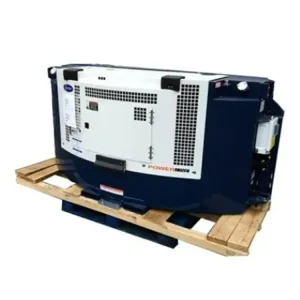
Precision-engineered 20ft and high-capacity units designed for intermodal reliability, compliant with CSC and ISO manufacturing standards.
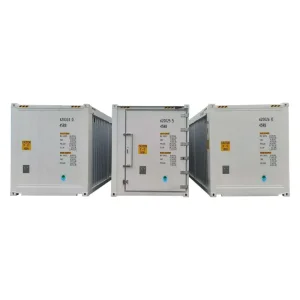
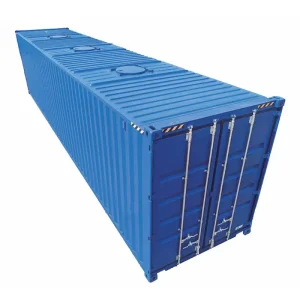
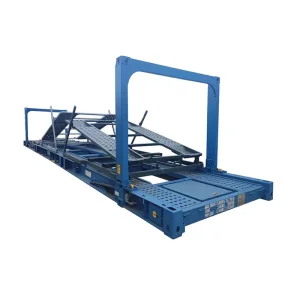
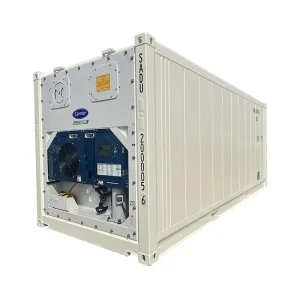
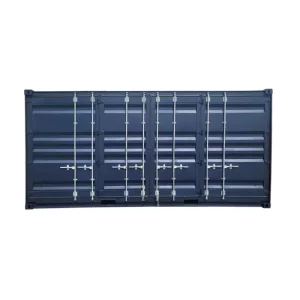
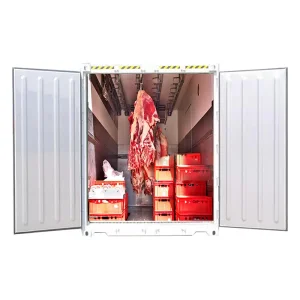
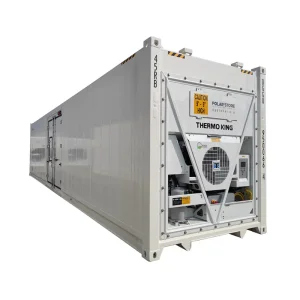
How geotechnical exploration, high-density freight, and decentralized cold chains rely on the Twenty-Foot Equivalent Unit (TEU) as an operational imperative.
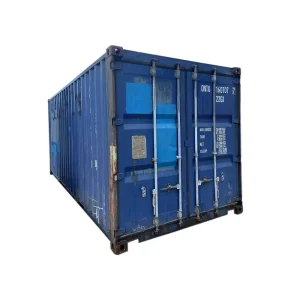
While 40-foot units capture volumetric consumer goods, the 20-foot shipping container remains the absolute benchmark for dense, heavy-weight commodities including minerals, grains, steel machinery, and industrial chemicals. Operating under strict axle-weight highway regulations worldwide, standard 20ft units balance structural tare weight (typically ~2,200 kg) against max gross mass (up to 30,480 kg), preventing road freight overages while maximizing ocean slot allocation economics.
Navigating restricted arterial corridors, dense urban delivery centers, and remote extractive concessions requires exceptional maneuverability. A 20ft container footprint accommodates shorter chassis trailers, rail well-cars, and compact reach-stackers. In cross-continental multimodal networks (such as Eurasian rail networks or intra-African transit), the rigid structural integrity of 20ft designs minimizes torsional frame deflections during crane transshipments.
Global supply chain volatility has accelerated the demand for decentralized warehousing. Modern corporate logistics architects deploy engineered 20ft containers as dynamic buffer storage units adjacent to consumption hubs. When integrated with remote IoT tracking and specialized thermal management, these containers mitigate supply chain disruption without demanding expensive, fixed-infrastructure real estate commitments.
ISO 1496-1 structural integrity: Understanding Corten-A steel formulations, corner casting load limits, and thermal barrier efficiency.
| Structural Parameter | 20ft Dry Cargo (Standard ISO) | 20ft High-Cube (Extended Vertical) | 20ft ISO Reefer (Cold Chain) | 20ft DNV Offshore Special |
|---|---|---|---|---|
| Primary Structural Steel | SPA-H Corten Weathering Steel | SPA-H Corten High Yield | Stainless Outer / Corten Subframe | EN 10025 S355 Structural Carbon |
| Corner Casting Ratings | ISO 1161 Certified (9-High Stack) | ISO 1161 Certified (9-High Stack) | ISO 1161 Heat-Treated | DNV 2.7-1 / EN 12079 Dynamic Pad Eyes |
| Internal Floor Loading | 28mm Marine Apitong / Bamboo Ply | 28mm Heavy-Duty Hardwood Ply | Extruded Aluminum T-Floor Section | Anti-Skid Checkered Steel Plate (5mm) |
| Door Sealing Profile | Dual-Lip EPDM Gasket System | Dual-Lip EPDM Gasket System | Thermal-Break Multi-Fin Santoprene | Weather-Tight Marine Grade Neoprene |
| Payload Capacity (Typical) | 28,280 kg (62,350 lbs) | 28,100 kg (61,950 lbs) | 27,400 kg (60,400 lbs) | Custom Dynamic Load Tested |
| Surface Pretreatment & Coat | Shotblast SA 2.5 + Zinc-Rich Primer | Shotblast SA 2.5 + Epoxy Primer | Multi-Coat Marine Polyurethane | Offshore 3-Coat C5-M Extreme System |
Navigating dynamic lifting certifications, dangerous goods handling, and stringent regional maritime jurisdictions.
Every newly fabricated 20ft container leaves our production yards under direct supervision of leading classification societies including Bureau Veritas (BV), ABS, and ISO audited pipelines. The International Convention for Safe Containers (CSC) safety approval plate provides cross-border customs clearance without recurring structural re-inspection delays at maritime interchange zones.
For high-risk environments such as North Sea platforms or West African offshore exploration blocks, standard ISO units are insufficient. Our dynamic 20ft offshore containers adhere to DNV 2.7-1 / EN 12079 guidelines, built to withstand shock impacts, extreme angular dynamic lifting loads, sub-zero embrittlement down to -40°C, and rigorous non-destructive weld testing (NDT).
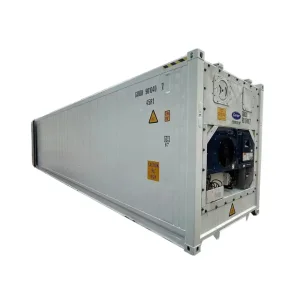
Transporting critical bio-pharmaceuticals or regulated class chemicals requires absolute thermal and environmental containment. We configure 20ft platforms with secondary spillage basins, explosion-proof ventilation, ATEX-certified electrical harnesses, and precision dual-circuit cooling machinery engineered to maintain temperatures within ±0.25°C tolerances.
Examining the technological evolution transforming passive steel containers into automated, carbon-neutral intermodal assets.
Integration of autonomous BLE sensors and low-power GEO satellite modules into structural corner posts. Provides real-time geolocation, internal humidity, door intrusion alerts, and structural shock logging without relying on external power supplies.
Transitioning primary shell production to Electric Arc Furnace (EAF) steel refined with green hydrogen. Reduces the embedded carbon footprint of a standard 20ft container by up to 68%, satisfying EU Scope 3 supply chain decarbonization audits.
Replacing traditional polyurethane foam with nanostructured silica aerogel vacuum panels. Increases internal volumetric cargo yield by 7.4% in 20ft reefer units while delivering thermal dissipation metrics under 0.28 W/(m²·K).
Standardizing universal sensor-guided interior anchoring plates and floor track channels to integrate directly with automated guided vehicles (AGVs) and warehouse robotic de-palletizing machinery.
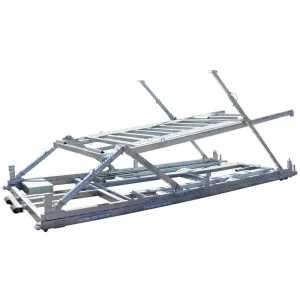
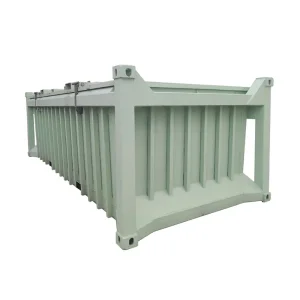
Configured for harsh industrial environments, bulk liquid dynamics, and customized vehicle distribution missions.
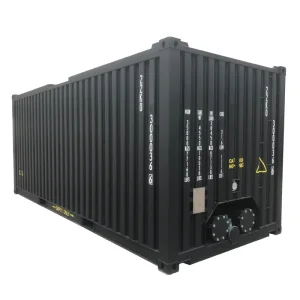
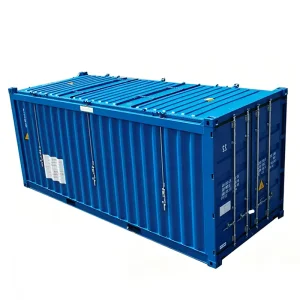
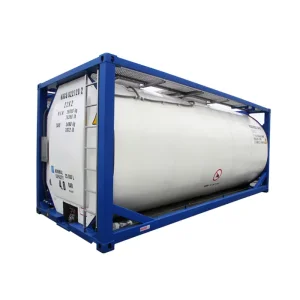
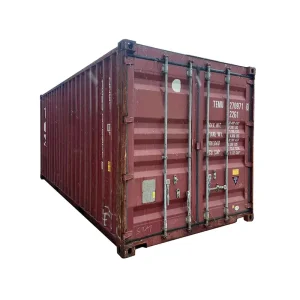
Direct technical responses concerning structural certifications, payload capacities, port clearances, and customization.
Under ISO 1496-1 parameters, our standard new-build 20ft shipping containers are engineered and tested to support a superimposed stacking load of 216,000 kg. This allows for a full 9-high laden stack of containers with an average gross mass of 24,000 kg each, even under severe ocean vessel acceleration forces.
Corten-A (SPA-H) contains copper, chromium, and nickel alloys. When exposed to ocean moisture and cycling air, it oxidizes to form an ultra-dense, adhering protective patina layer. This barrier prevents ambient oxygen and salt chlorides from penetrating into the core steel substrate, extending operating life past 20 years.
A standard 20ft container features an external height of 8ft 6in (2,591 mm), yielding approximately 33.2 m³ of cargo volume. A 20ft High-Cube measures 9ft 6in (2,896 mm) externally, providing roughly 37.4 m³ (~12% more volume). High cubes are favored for light, bulky industrial cargo or modular architecture adaptations requiring higher interior ceilings.
Yes. Custom alterations—such as integrated roller shutter doors, full longitudinal side-open walls, internal reinforced tie-down bars, or cable ingress penetrations—can be engineered and approved under Class surveyors (such as BV or ABS) to issue an updated, valid CSC safety certification plate for international transit.