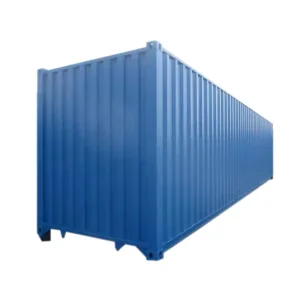
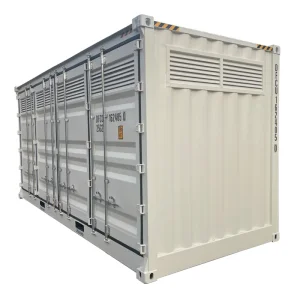
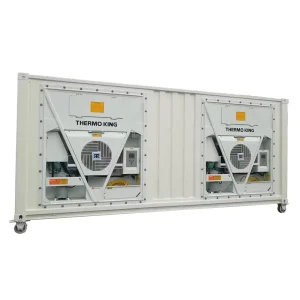
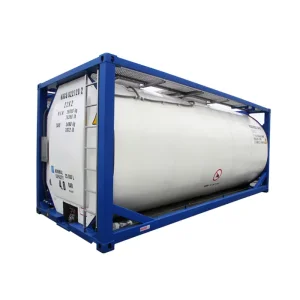
Factory-certified container systems designed for volatile substances, regulated dangerous goods, and severe-condition storage. Verified across classification societies including BV, ISO, and DNV.
As chemical processing, lithium-ion battery logistics, and cryogenic fuel distribution scale worldwide, procurement requirements for specialized hazardous containers have shifted toward structural resilience and verifiable traceability.
Navigating dangerous goods compliance demands rigorous alignment between the International Maritime Dangerous Goods (IMDG) Code, ADR for European road networks, and CFR 49 for North American transit. Specialized containers must provide secondary bund containment, emergency pressure-relief manifolds, and flame-retardant wall profiles.
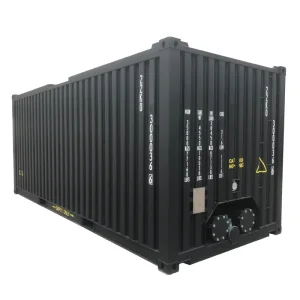
The rapid expansion of Energy Storage Systems (BESS) and decommissioned electric vehicle battery transit has created unprecedented demand for fire-rated, explosion-vented containers. Primary requirements include active gas extraction, automated aerosol suppression, and structural barriers that prevent cascading thermal runaway events.
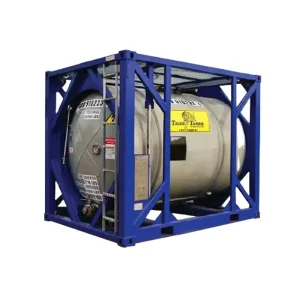
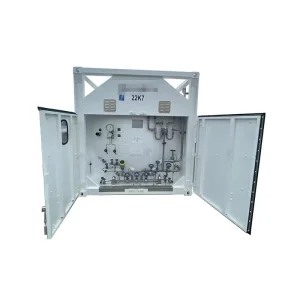
Operating under marine splash conditions and sub-zero offshore drilling environments necessitates DNV 2.7-1 / EN 12079 dynamic load certifications. Containment infrastructure for specialized gases such as LNG, liquid oxygen, and chemical catalysts must resist heavy mechanical shocks and severe saline corrosion.
China’s specialized container ecosystem leverages vertical integration—from certified atmospheric-corrosion-resistant Corten steel mills to automated robotic welding lines—offering global procurement teams measurable economic and engineering advantages.
Direct partnerships with domestic steel foundries ensure certified SPA-H weathering steel availability. This mitigates raw material fluctuation delays and guarantees structural yield strengths exceeding 345 MPa for high-cube, side-open, and high-pressure tank frames.
Situated in primary industrial centers in Tianjin and Suzhou, our facilities operate approximately 100 kilometers from maritime terminals. This geographic positioning drastically slashes inland haulage emissions, expedites vessel staging, and shortens transit times for international fleets.
Our in-house design bureaus configure custom doors, interior explosion-proof electrical circuits, and internal bund reservoirs with precision. Prototypes and specialized small-batch custom footprints progress from 3D CAD modeling to structural stress testing with rapid turnaround cycles.
Manufacturing protocols adhere strictly to ISO 9001 and ISO 14001 quality systems. Each containment unit is inspected, non-destructively weld-tested, and audited by Bureau Veritas (BV), ABS, or DNV surveyors prior to paint line departure and customs dispatch.
Configuring dangerous containers requires balancing site micro-climates, civil fire codes, and multi-modal handling protocols across disparate regional operations.
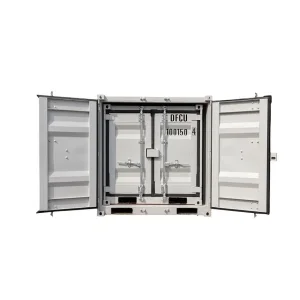
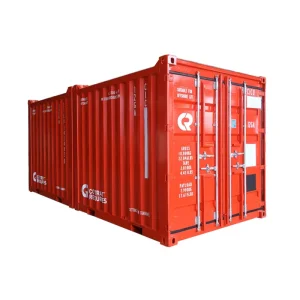
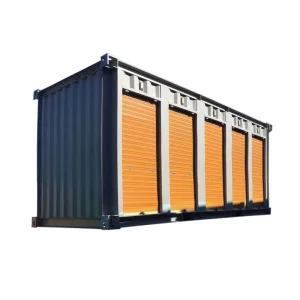
In chemical manufacturing complexes and pharmaceutical depots, containers equipped with side-opening louvered doors, anti-spark polyurethane flooring, and built-in liquid retention sumps prevent hazardous spills from permeating local water tables while allowing rapid forklift access.
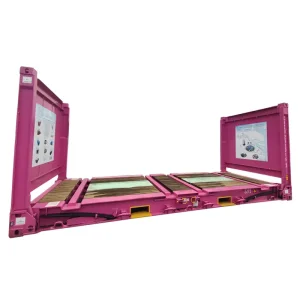
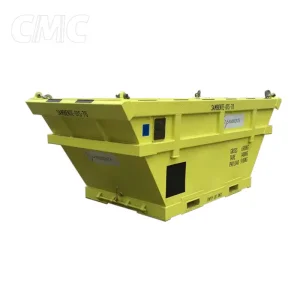
Offshore supply vessels and open-pit mining operations deploy certified DNV containers, heavy-duty silt baskets, and half-height ore bins designed to survive severe impact dynamics, aggressive sea spray, and violent sea-state transfers without frame fatigue.
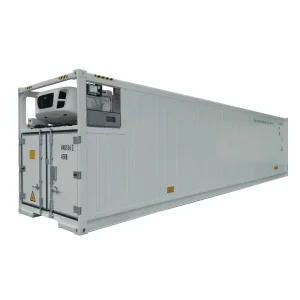
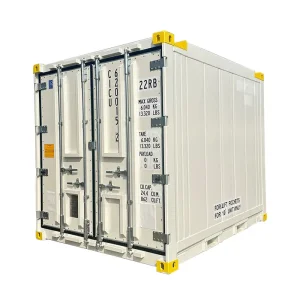
Cross-border rail networks, including trans-continental Belt and Road freight routes, rely on insulated heated tanks and blast reefer containers to stabilize highly sensitive chemical polymers, cryogenic gases, and temperature-volatile paints across 60°C ambient swings.
Evaluating technical upgrades across sensor integration, structural metallurgy, and eco-conscious insulation to satisfy upcoming international maritime regulations.
Integrating ATEX-certified internal telemetry allows live tracking of headspace vapor pressure, ambient relative humidity, VOC leakage thresholds, and core temperatures, transmitting emergency notifications directly to bridge consoles via low-earth satellite networks.
Replacing traditional heavy internal lead or rubber linings with fluoropolymer membranes (ECTFE/PTFE) and graphene-doped epoxy coatings elevates chemical resistance against fuming acids, preventing pinhole corrosion while reducing dead tare weight by up to 14%.
Next-gen dangerous goods enclosures feature self-resetting pressure vents and magnetic blow-out ceiling panels designed to channel explosive overpressures upward away from adjacent stacks, protecting vessel hulls and dockside personnel.
Pre-engineered interfaces for clean-agent gas flooding (Novec 1230 / FM-200) and condensed aerosol fire extinguishing can suppress battery and solvent fires in under 10 seconds without requiring external electrical inputs or high-pressure water infrastructure.
Mitigating commercial and legal hazards across international jurisdictions through validated documentation, structural witness testing, and localized port assistance.
Every industrial container ships with a complete manufacturer's documentation dossier: mill test certificates (MTC 3.1), non-destructive testing (NDT) records, welding procedure qualification records (WPQR), and formal CSC safety approval plates issued by BV or DNV.
In addition to bespoke contract manufacturing runs, strategic inventories of high-cube certified dry cargo units, standard gas tank units, and used containers are maintained across key Chinese staging ports, facilitating immediate deployment for unexpected project expansions.
Our sales engineering department provides dedicated 1-on-1 consultations for specialized modifications. From door placement alterations to thermal insulation calculations, technical drawings are issued within 24 hours to secure swift stakeholder sign-off.
Engineered for extreme operating envelopes: cryogenic liquids, bulk heated bitumen, offshore lifting environments, and cross-border intermodal rail corridors.
Clear answers from our structural engineers and export directors regarding certifications, production lead times, and custom dangerous goods modifications.
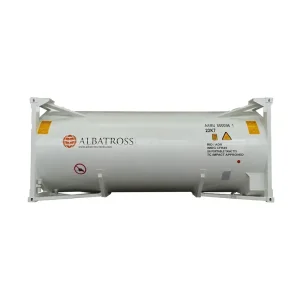
Our containers are designed and verified under International Convention for Safe Containers (CSC) guidelines and certified by Bureau Veritas (BV), ABS, or DNV. For specialized chemical tankers, compliance with the IMDG Code and ASME Section VIII is standard, while offshore containers comply with DNV 2.7-1 / EN 12079 dynamic lift requirements.
Standard ISO containers and verified inventory can be dispatched from port facilities within 7 to 10 days. Tailored OEM/ODM builds—such as side-opening doors, integrated fire-suppression manifolds, non-sparking flooring, and ATEX explosion-proof systems—generally require 25 to 35 working days from drawing sign-off to port transfer.
Standard ISO configurations require an MOQ of 1 to 2 units to facilitate trial shipments. For fully tailored bespoke designs requiring custom tooling, modified structural corners, or proprietary internal compartments, our engineering team works with clients to set cost-efficient production batches, typically starting at 2 to 4 units.
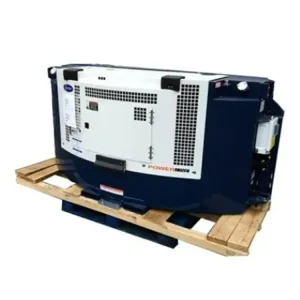
Our blast reefer units utilize marine-grade machinery from Carrier, Thermo King, or Daikin, calibrated to maintain precise setpoints within ±0.25°C. For combustible or reactive products, units can be fitted with air circulation blowers, lower vapor extraction points, and pressure relief dampers to prevent the buildup of toxic gases.