Verified production runs, certified pressure vessels, and specialized cold chain logistical infrastructure ready for global multi-modal deployment.
The global intermodal equipment container sector is undergoing a profound structural transition. Once perceived as commoditized steel boxes, modern equipment containers represent high-precision logistical apparatuses engineered to endure extreme thermodynamic stress, intense maritime corrosive dynamics, and rigorous mechanical handling cycles. Procurement executives face the dual challenge of balancing capital expenditure (CapEx) against long-term asset lifecycle reliability across maritime, mining, offshore energy, and pharmaceutical cold supply chains.
Purchasing directly from established original equipment manufacturers (OEM) and verified Chinese manufacturing clusters unlocks unprecedented economies of scale, structural customization versatility, and stringent compliance oversight. Today's procurement strategies require deep technical evaluation of structural metallurgy (such as Corten-A anti-corrosive steel), robotic seam-welding precision, high-density polyurethane thermal insulation profiles, and standardized international testing protocols verified by independent classification authorities such as Bureau Veritas (BV), Det Norske Veritas (DNV), and ISO bodies.
Full manufacturing alignment with international classification registers ensure seamless port entry, maritime insurance validation, and prolonged asset viability:
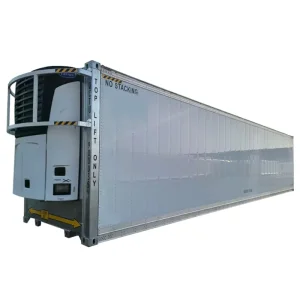
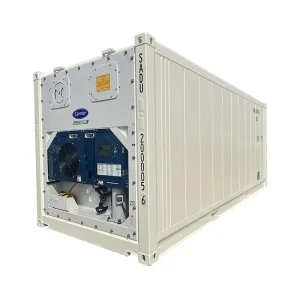
Pre-engineered thermal management, active cryogenic power integration, and multi-redundant climate apparatus designed for mission-critical cargo:
Unmatched supply chain integration spanning metallurgical preparation, precision robotic bending, structural coatings, and deepwater dock proximity:
Industrial buyers across the Americas, Europe, Africa, and Australasia operate within distinct physical constraints. Matching container architecture to specific transport topologies, loading mechanisms, and cargo profiles is critical to maximizing return on investment while mitigating route liability.
| Container Category | Engineering Profile & Dimensions | Target Logistical Applications | Key Regulatory Standards | Customization Vector |
|---|---|---|---|---|
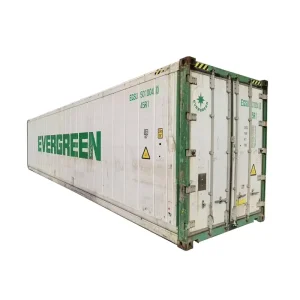
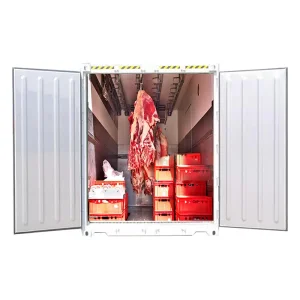
| Reefer Containers | 10ft, 20ft, 40ft HC with polyurethane insulation (55-75mm) | Perishables, vaccines, chemicals, meat, seafood | ISO 1496-2, ATP Class FRC, BV, TIR | Meat hooks, T-floor profiles, dual-temp partitions |
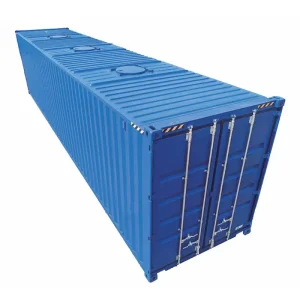
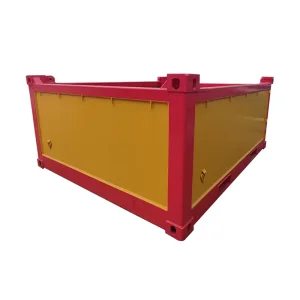
| Offshore Containers | Half-height, basket, workshop modules with high yield steel | Offshore drilling rigs, deep-sea exploration, mining | DNV 2.7-1, EN 12079, IMO MSC/Circ. 860 | Slings, padeyes, internal tie-downs, drop sides |
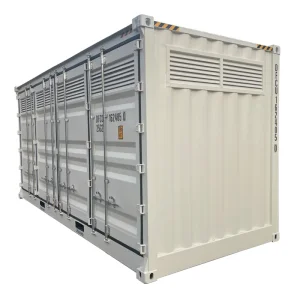
| Hazmat / Dangerous Goods | Secondary containment bund, flame arrestors, passive louvers | Lithium-ion batteries, volatile solvents, class 3-9 goods | IMDG Code, ADR, OSHA, UN Model Regulations | Explosion-proof HVAC, fire suppression, gas sensors |
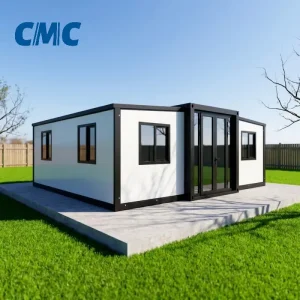
| Modular Housing Pods | Expandable, foldable, structural composite sandwich panels | Mining camp accommodation, site offices, disaster relief | CE, AS/NZS housing frameworks, UL94 fire retardancy | Integrated sanitary fixtures, turnkey electrical wiring |
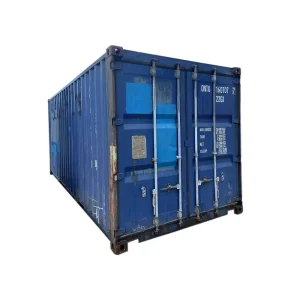
| Intermodal Dry Cargo | Corten-A corrugated shells, marine-grade hardwood flooring | Bulk commodities, palletized freight, cross-border rail | ISO 668, ISO 1161 corner castings, UIC 592 | Side doors, open tops, double end doors, roll-up gates |
Demonstrating how precision equipment containers solve logistical bottlenecks in harsh climates and complex environments.
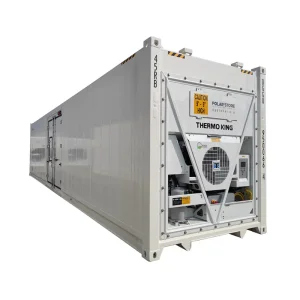
Standard commercial refrigeration systems often suffer thermal failure when ambient desert temperatures exceed 50°C. Our specialized Tropicalized Reefer configurations incorporate dual-stage heavy-duty compressor circuits, high-efficiency copper coils with anti-saline epoxy treatments, and microcellular cycloisopentane foam. This maintains a stable interior core of -25°C to -35°C without compressor overload, protecting dairy, pharmaceuticals, and fresh produce along extended cross-border logistics routes.
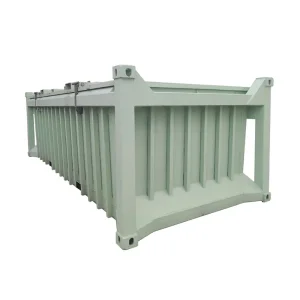
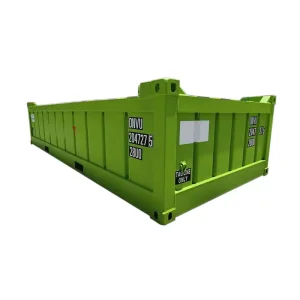
Offshore lifting requires equipment to withstand severe ocean swell dynamics without metallurgical failure. Certified to DNV 2.7-1 / EN 12079, our offshore cargo baskets, tool carriers, and half-height ore containers feature low-temperature Charpy-impact tested steel, certified high-tensile four-part wire rope sling sets, and heavy-duty zinc silicate primers to combat marine corrosion.
The global shift toward renewable energy necessitates secure, temperature-controlled enclosures for utility-scale battery energy storage systems (BESS). Factory-customized container shells incorporate fire-rated partition walls, roof-mounted explosion relief panels, internal plumbing channels for liquid-cooling thermal loops, and precision-cut structural openings to accommodate high-voltage DC switchgear.
Trans-continental rail freight across Central Asia demands robust structural integrity to handle severe longitudinal impact forces during switching operations. Our reinforced 40ft HC containers feature thickened side rails, heavy-duty floor understructures, and dual-ended access doors, facilitating efficient crane transitions and rapid turnaround times at rail-to-truck dry ports.
The manufacturing sector is advancing beyond basic metallurgical assemblies. Driven by automation, decarbonization mandates, and smart logistics, four key innovations are shaping modern container procurement:
Next-generation reefer containers integrate real-time satellite telemetry, monitoring internal temperature, humidity levels, and oxygen-carbon dioxide balance. Predictive maintenance algorithms detect compressor wear before mechanical breakdown occurs, virtually eliminating cold-chain spoilage risks.
Global environmental mandates—such as the EU F-gas regulations and the Kigali Amendment—are phasing out high-GWP refrigerants. Modern factories now build systems running on R-513A, R-452A, and natural CO2 (R-744) units, delivering up to 35% higher energy efficiency while complying with environmental standards.
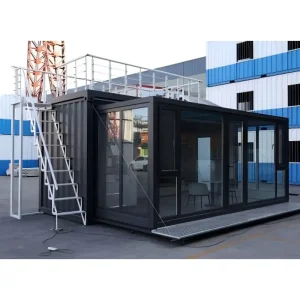
Beyond cargo freight, precision container fabrication serves as the structural foundation for modular living spaces, mobile laboratories, desalinization plants, and data centers. High-strength structural framing and standardized corner castings allow rapid intermodal deployment worldwide.
Engineering, operational, and commercial insights to help overseas buyers streamline their procurement cycles.
All export-grade containers manufactured at our facilities undergo formal classification surveying. Dry containers are built to ISO 668, ISO 1496-1, and ISO 1161 standards, stamped with an international Convention for Safe Containers (CSC) safety plate validated by Bureau Veritas (BV) or Lloyd's Register. For specialized offshore equipment, builds comply strictly with DNV 2.7-1 (EN 12079). Dangerous goods containers meet IMDG and UN specification requirements for intermodal transport.
Custom projects follow a structured four-stage process: (1) Technical requirements review, where cargo density, structural loads, and door locations are identified; (2) Mechanical engineering and FEA structural simulation, delivering comprehensive 2D/3D CAD drawings for sign-off; (3) Prototype fabrication and testing, including roof load, racking, wall strength, floor deflection, and water-spray weather tightness tests; (4) Serial production managed under ISO 9001 certified quality control systems.
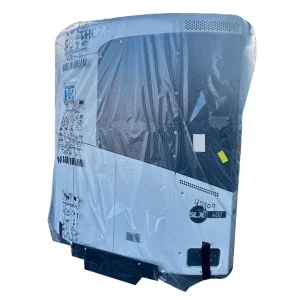
Our reefer product lines integrate units from leading global manufacturers: Carrier Transicold (e.g., PrimeLINE, ThinLINE), Thermo King (e.g., Magnum Plus), and Daikin (e.g., LXE series). This ensures operators can source spare parts and access warranty support through local service networks worldwide. Factory options include active atmospheric control (TransFRESH, AV+), meat hanging rails, LED butcher lighting, and customized temperature logging telematics.
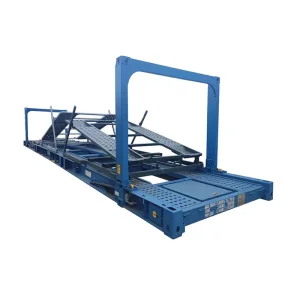
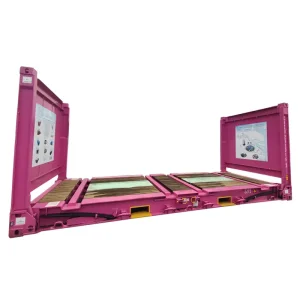
Standard ISO dry containers and common used units are held in depot stock across major Chinese ports (Tianjin, Qingdao, Shanghai, Ningbo, Shenzhen) for immediate dispatch. Custom OEM runs generally require 3 to 5 weeks from technical drawing sign-off to factory gate exit. Freight can be arranged via One-Way shipper-owned container (SOC) leases—allowing containers to travel with paying export cargo to reduce sea freight costs—or shipped empty as stacked lots via breakbulk and flat-rack ocean charters.
We build our containers with high-strength Corten-A weathering steel (SPA-H), renowned for forming a stable, protective oxide layer that resists atmospheric corrosion. Structural members are shot-blasted to SA 2.5 standards, followed by a multi-tier marine coating system: a zinc-rich epoxy primer (30μm), an intermediate epoxy build (40μm), and an exterior polyurethane topcoat (40μm), delivering a minimum dry film thickness (DFT) of 110μm to prevent salt-spray degradation.
Explore our extensive portfolio of specialized containers, modular building solutions, and heavy-duty transport equipment.