
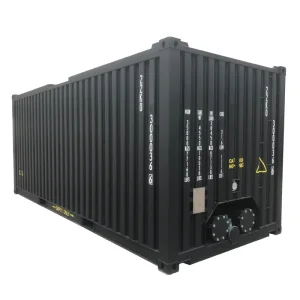
Direct manufacturing specs built under ISO 9001 and classification standards including BV, DNV, and ISO intermodal requirements.
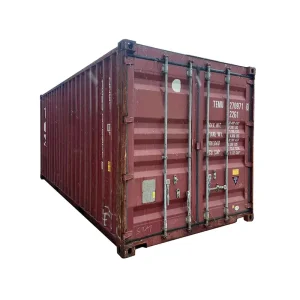
Strategic analysis of modular units across off-grid infrastructure, cross-border logistics corridors, and structural prefabrication.
The global shipping and modular container sector has transformed from delivering rudimentary steel boxes into fabricating multi-functional, precision-engineered structural systems. Driven by modern requirements in off-grid power, green hydrogen infrastructure, dynamic cold chain protocols, and off-site modular buildings, the contemporary modular container operates as an adaptive platform. As global supply networks face rising volatility, enterprise procurement teams prioritize standardized ISO dimensions (10ft, 20ft, 40ft HC) combined with structural customization.
Advanced metallurgy—specifically the standard use of atmospheric corrosion-resistant Corten steel (SPA-H)—ensures service longevity exceeding 25 years under high-salinity oceanic environments. The convergence of strict CSC (International Convention for Safe Containers) safety testing with architectural building codes has enabled structural module manufacturers to satisfy both ISO multimodal freight requirements and local municipal building integrity standards.
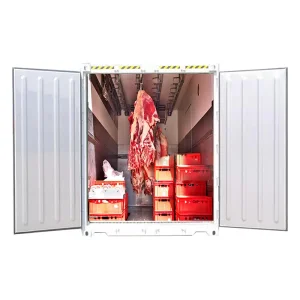
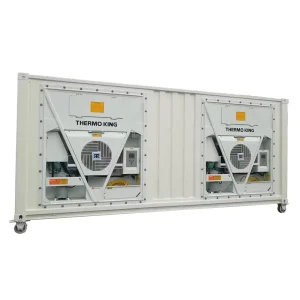
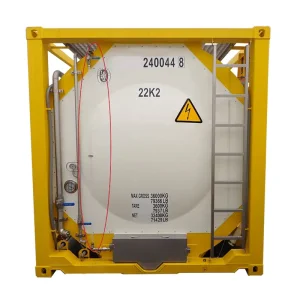
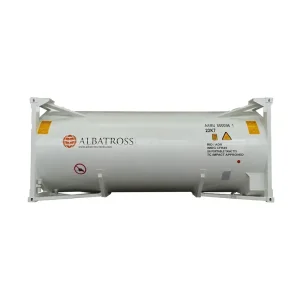
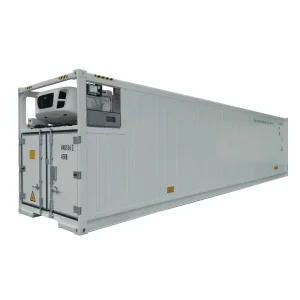
Refrigerated and thermal insulation variants represent the fastest-growing sub-sectors within modular logistics. High-cube reefers equipped with high-efficiency machinery from Carrier, Thermo King, and Daikin now offer micro-tolerance temperature stabilization down to -60°C for ultra-low blast freezing, and precision microclimate environments for perishable pharmaceuticals and delicate agricultural cargo. Concurrently, customized ISO tank configurations for liquefied gases, asphalt, and food-grade liquids eliminate costly repackaging across rail, deep-sea, and highway routes.
Additionally, modular containers have emerged as the foundational housing for battery energy storage systems (BESS), mobile hyperscale data modules, and mobile water desalination plants. These mission-critical installations require strict adherence to DNV offshore impact criteria, explosion-proof ventilation, fire suppression integrations, and specialized internal load-bearing structures that traditional freight containers cannot accommodate.
Leveraging deep industrial clusters in Tianjin and Suzhou to deliver rapid engineering turnover, cost optimization, and coastal dispatch.
Tianjin and Suzhou industrial corridors provide immediate access to premier steel mills, automated roll-forming lines, automated robotic welding systems, and cutting-edge industrial coating paint shops within a 50km radius.
Every modular unit undergoes standardized structural stress simulations, door gasket water-spray tests under 100 kPa pressure, and continuous weld-line ultrasound inspections to guarantee compliance with international shipping treaties.
Direct adjacency to Tianjin Port enables streamlined export operations via deep-water container terminals, eliminating internal domestic freight bottlenecks and shortening transit schedules to Europe, the Americas, and Australasia.
Engineered to withstand complex geographical environments, maritime dynamic stresses, and challenging worksite requirements.
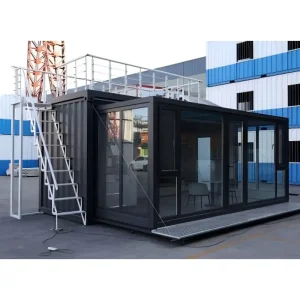
Fully plumbed, pre-wired, and expandable 20ft/40ft modular buildings with integrated bathrooms and folding panels offer quick deployment for remote exploration camps, military bases, disaster relief, and modern eco-resorts.
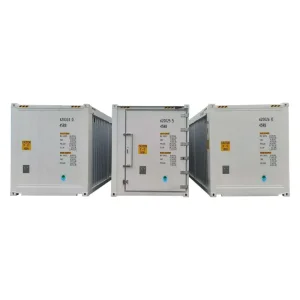
Equipped with stainless-steel interior walls, heavy-duty meat-hanging rail systems, and T-floor airflow channels, these units safeguard perishables across thousands of miles of multimodal road and sea routes without breaking the cold chain.
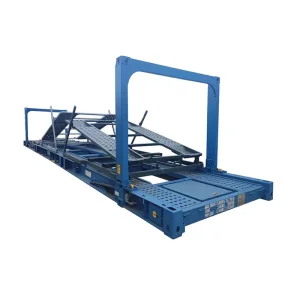
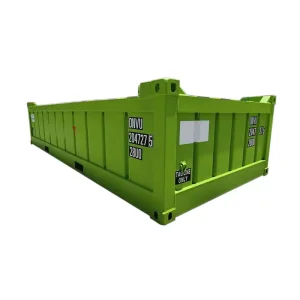
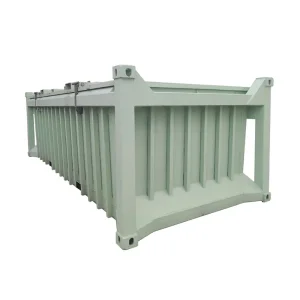
Half-height open tops and DNV-certified offshore dry cargo boxes handle dense minerals, heavy drill strings, and offshore parts, withstanding dynamic multi-point sling lifting in turbulent open seas.
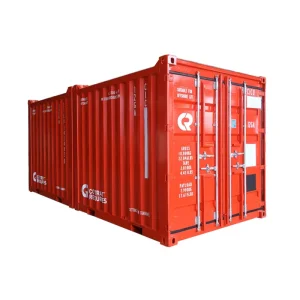
Bespoke builds fabricated to custom customer blueprints, specialized side openings, multi-room reefer dividers, and pre-fitted modular homes.
Straightforward answers regarding structural certifications, thermal capabilities, bespoke engineering, and delivery protocols.
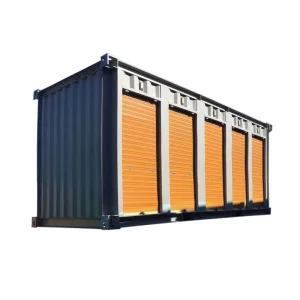
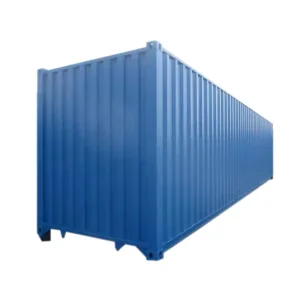
Most reefer and dry models are available in 10ft, 20ft, 20ft High Cube, 40ft and 40ft High Cube. Special builds such as side open door, roll-up door, half height and offshore containers are engineered to the project's dimensions and load requirements.
Our reefer range is supplied with mainstream refrigeration units including Thermo King, Daikin and Carrier, so buyers can match the unit to their local service network and spare parts availability.
CIMIC holds a BV shipping certificate and an ISO quality management certificate. Offshore dry cargo containers are manufactured in compliance with DNV certification requirements.
Yes. Buyers can select a model from our catalog or work one-to-one with our engineering team on custom dimensions, door configurations, insulation, coatings, branding and interior fit-out.
New containers are produced at our bases in Tianjin and Suzhou, about 100 kilometers from the seaport. Used containers are held at various Chinese ports, which shortens dispatch time for buyers.
MOQ depends on the degree of customization. Standard new and used containers are supplied in flexible quantities, while bespoke builds are planned per project. Our team will advise the most cost-efficient batch size for your requirement.