Engineered to withstand rigorous international sea, road, and off-grid operational requirements. Inspect our frontline active and static temperature control assets.
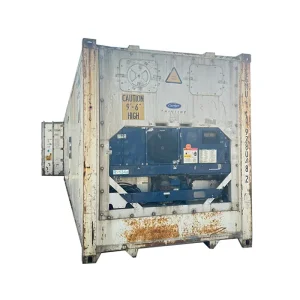
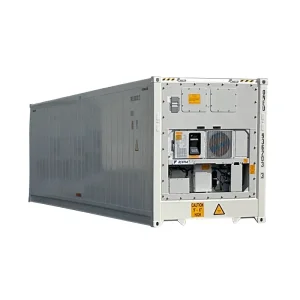
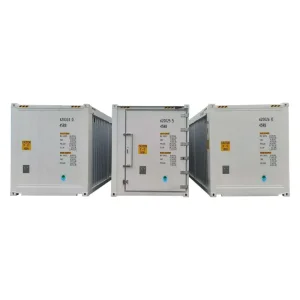
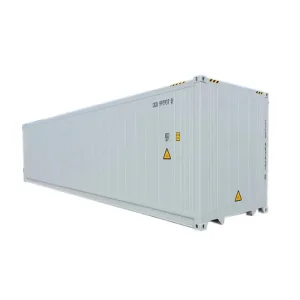
In modern intermodal freight, refrigerated cargo assets—commonly referred to as reefers—form the operational backbone of perishable supply chains. Navigating geopolitical shifts, port dwell times, and climate extremes demands specialized equipment manufactured under stringent international guidelines.
Global food security relies heavily on cold chain integrity. From high-respiration fruits requiring dynamic Controlled Atmosphere (CA) to deep-frozen seafood needing ultra-low -35°C to -60°C settings, modern reefer units eliminate microbial degradation and moisture dehydration during ocean transit periods exceeding 30 to 45 days.
The pharmaceutical sector demands zero-tolerance thermal drift. High-value biologics, monoclonal antibodies, active pharmaceutical ingredients (APIs), and vaccines require continuous temperature validation under Good Distribution Practice (GDP) protocols. Units feature redundant sensors, anti-tamper seals, and uninterruptible telemetry.
Temperature-sensitive resins, flammable volatile chemicals, organic peroxides, and advanced battery chemistries mandate explosion-proof mechanical components and active vent isolation. CIMIC dangerous goods refrigerated solutions combine ATEX-rated electrical components with chemical-resistant interior liners.
A high-performance reefer is not merely a steel enclosure with an air conditioner bolted on; it represents a finely balanced thermodynamic pressure vessel built to withstand oceanic pitching, saltwater corrosion, and severe structural loads.
Our sandwich wall sections employ high-density (42-45 kg/m³) Cycloisopentane-blown polyurethane foam insulation. Thermal break barriers and vacuum insulated panels (VIP) reduce the overall heat transmission coefficient (K-value) below 0.33 W/(m²·K), dramatically slashing electrical power draw aboard container vessels.
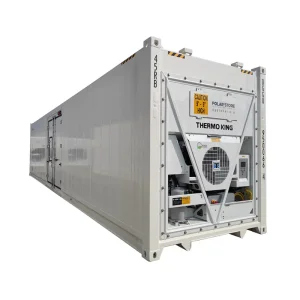
We integrate premier factory units including Carrier Transicold (ThinLINE, PrimeLINE), Daikin (LXE series, ZeAS), and Thermo King (Magnum Plus). Units operate natively on 380/460V 3-phase 50/60Hz shipboard and yard grids, paired with dual-speed scroll compressors and digital modulating economizers.
Every industrial reefer leaves our factory ready for satellite-cellular two-way telemetry. Supply chain dispatchers monitor internal cargo pulp temperature, relative humidity (60% to 95%), CO2/O2 levels, and power line voltages in real time, with remote Pre-Trip Inspection (PTI) and automated defect alerts.
Compare baseline engineering parameters for standard production reefer units manufactured in our Tianjin and Suzhou manufacturing plants.
| Model Classification | External Dimensions (L × W × H) | Internal Volume | Max Gross Mass | Temp Control Range | Refrigerant / Power |
|---|---|---|---|---|---|
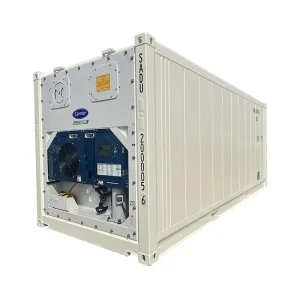
| 20ft Standard Reefer ISO 1496-2 |
6,058 × 2,438 × 2,591 mm (20'0" × 8'0" × 8'6") |
28.3 m³ (1,000 cu.ft) | 30,480 kg (67,200 lbs) | -30°C to +30°C (±0.25°C) | R-134a / 380-460V 3Ph 50/60Hz |
| 40ft High Cube Reefer High Volume Standard |
12,192 × 2,438 × 2,896 mm (40'0" × 8'0" × 9'6") |
67.5 m³ (2,385 cu.ft) | 34,000 kg (74,950 lbs) | -30°C to +30°C | R-134a / R-452A (Optional Genset) |
| 40ft Deep Freeze Super Store Ultra Low Temp |
12,192 × 2,438 × 2,896 mm (40'0" × 8'0" × 9'6") |
65.8 m³ (2,324 cu.ft) | 34,000 kg (74,950 lbs) | Down to -60°C cryogenic | Cascade System / High-spec PU |
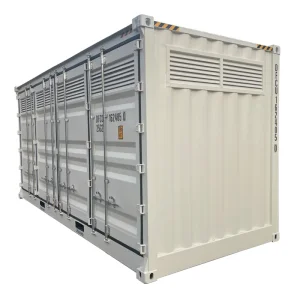
| 40ft Side Open Door Reefer Fast Turnaround Logistics |
12,192 × 2,438 × 2,896 mm (Side access multi-door) |
64.2 m³ (2,267 cu.ft) | 34,000 kg (74,950 lbs) | -25°C to +25°C | Carrier / Daikin Machinery |
| Passive Thick Foam Container No-Machinery Thermal |
12,192 × 2,438 × 2,896 mm (Extra insulated walls) |
71.0 m³ (2,507 cu.ft) | 32,500 kg (71,650 lbs) | Passive holding (PCM / Ice) | Zero external power required |
Purchasing capital logistics equipment requires total confidence in manufacturing audits, metallurgy standards, and international maritime safety certifications.
Every unit built at our Tianjin and Suzhou manufacturing facilities is stamped with a CSC Safety Approval plate and certified by leading classification bodies including Bureau Veritas (BV), Lloyd's Register (LR), and ABS. All designs comply strictly with ISO 1496-2, TIR, and ATP Class FRC agreements for perishable food transit.
Situated within roughly 100 kilometers of the primary maritime deepwater terminals in Tianjin and Shanghai/Taicang, our production clusters cut inland haulage costs and lead times. We facilitate direct 'one-way' repositioning shipments or SOC (Shipper Owned Container) sea voyages to your port of destination.
Beyond serial production of standard ISO reefers, our technical design department provides tailored modifications: meat-hanging rail systems, interior dividing bulkheads for multi-temperature zoning, reinforced diamond plate aluminum flooring, side escape hatches, and customized exterior corporate liveries.
Comprehensive procurement advice regarding factory minimums, refrigeration machinery options, customs clearance, and cold room conversions.
Our reefer containers are built using anti-corrosive Corten steel outer panels and food-grade 304 stainless steel interior linings. Expected operational life exceeds 15 to 20 years in harsh maritime environments. We provide comprehensive factory warranties covering structural integrity and refrigeration machinery warranties backed by global brand service networks.
By outfitting our containers with internationally established refrigeration equipment—Carrier, Daikin, and Thermo King—our clients benefit from existing factory-authorized service centers and spare parts inventories in over 120 countries, preventing costly idle time in distant seaports.
Yes. Many clients acquire our 20ft and 40ft High Cube reefer units for on-site refrigerated warehousing, pharmaceutical quarantine zones, and agricultural field pre-cooling. We provide stationary kits including interior emergency escape locks, LED lighting, plastic curtain strips, and external ramps.
Every newly constructed reefer undergoes a 4-hour Pre-Trip Inspection (PTI) cycle, including thermal imaging leak tests, insulation foam air tightness validation, microprocessor circuit checks, refrigerant charge pressure verification, and high-pressure water spray tightness tests per ISO 1496-2.
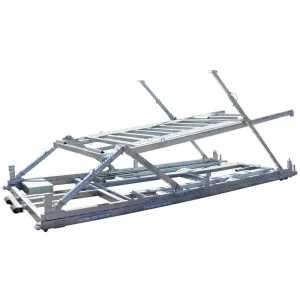
Explore our extended intermodal product series, including vehicle transport racks, certified offshore equipment, and specialized ISO containers engineered for cross-border logistics.